
Energy – Gadkari Defends Ethanol Push, Rejects Claims Over Fuel Safety Debate
Energy – Union Road Transport and Highways Minister Nitin Gadkari has strongly defended the Centre’s ethanol blending programme, dismissing allegations that the fuel harms vehicles or serves private interests. Responding to growing criticism, the minister claimed that a coordinated campaign was being driven by groups with vested interests in India’s fossil fuel import system. He maintained that the government’s long-term objective is to reduce dependence on imported fuel, curb pollution and strengthen the country’s energy security through multiple clean fuel options.
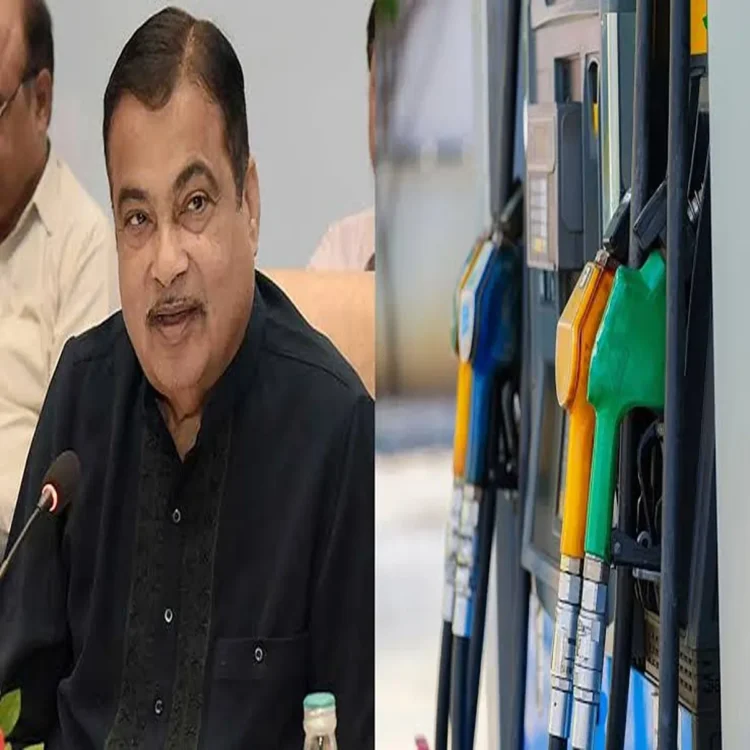
Minister Links Ethanol Policy to Energy Independence
Gadkari said India spends nearly Rs 22 lakh crore every year on importing fossil fuels, making energy diversification an economic necessity. According to him, promoting ethanol is only one part of a broader strategy that also includes bio-CNG, methanol, hydrogen, electric vehicles and other alternative fuels.
He noted that ethanol blending is already well established in several countries, including Brazil, the United States and Thailand. Brazil, he said, has been using flex-fuel technology for decades, allowing vehicles to operate on varying ethanol blends, including pure ethanol. Gadkari added that India introduced ethanol blending only after detailed testing by authorised agencies and consultations with automobile manufacturers.
Vehicle Compatibility and Industry Support
Addressing concerns over E20 fuel, the minister said vehicle manufacturers have already upgraded components wherever necessary to ensure compatibility. He argued that globally recognised automobile companies would not manufacture or market ethanol-compatible vehicles if there were genuine safety concerns.
Gadkari also pointed to ongoing work on flex-fuel technology and research into converting ethanol into isobutanol, which could eventually emerge as an alternative to diesel. According to him, the automotive industry continues to invest in cleaner fuel technologies as countries seek to reduce emissions and dependence on conventional fuels.
Biofuel Projects Offer New Income for Farmers
The minister highlighted the agricultural benefits of the biofuel programme, saying crop residue that was previously burned is now being converted into bio-CNG and methane through new processing facilities. He said thousands of such projects are under development, particularly in Punjab and Haryana, where stubble burning has long contributed to seasonal air pollution.
Gadkari stated that crop residue now has commercial value, creating an additional income source for farmers while helping reduce pollution in Delhi and neighbouring regions. The resulting bio-CNG, he added, can be used across a wide range of commercial and passenger vehicles.
Fuel Prices Depend on Global Markets
Responding to criticism that ethanol blending has not lowered petrol prices, Gadkari said retail fuel rates are influenced primarily by fluctuations in international crude oil prices rather than ethanol content alone.
He explained that when crude oil prices rise sharply, governments and fuel companies face significant financial pressure in maintaining stable retail prices. He argued that widespread adoption of ethanol-powered vehicles could eventually provide greater cost advantages because ethanol is domestically produced and less expensive than imported fossil fuels.
Claims of Misinformation Campaign
The Union minister alleged that misinformation surrounding ethanol has been deliberately circulated by those benefiting from fossil fuel imports. He cited examples of misleading social media posts claiming ethanol-blended petrol attracts insects because it is produced from sugarcane, describing such claims as scientifically baseless.
Gadkari also referred to a reported case in which a vehicle owner blamed ethanol for mechanical failure, but the manufacturer allegedly found that contaminated fuel mixed with water, rather than ethanol, was responsible. He said such examples were being selectively used to create unnecessary public concern.
Rejects Allegations of Personal Gain
Rejecting accusations that he benefits financially from ethanol production, Gadkari said procurement takes place through a government tender process with prices determined by the Cabinet. He clarified that he has no role in awarding contracts.
The minister acknowledged that his family has interests in a sugar factory established before the ethanol policy was introduced, but said its contribution represents only a small share of the country’s overall ethanol production. He described allegations of personal benefit as unfounded.
Road Technology and Temple Donation Remarks
Apart from discussing fuel policy, Gadkari said the government is introducing QR codes on highway signboards to improve transparency and public access to information. Travellers will be able to scan the codes to obtain details about toll plazas, fuel stations, nearby facilities and other highway services, a move he believes will significantly reduce public complaints.
On allegations concerning donations at the Ram Temple in Ayodhya, Gadkari expressed confidence in the integrity of the trust’s leadership while supporting a fair inquiry into any complaints. He said any procedural shortcomings should be addressed through stronger systems and greater use of technology, while deliberate wrongdoing, if established, should face strict action.