
Heritage – India Plans to Develop IIH into a Global Centre for Heritage Studies
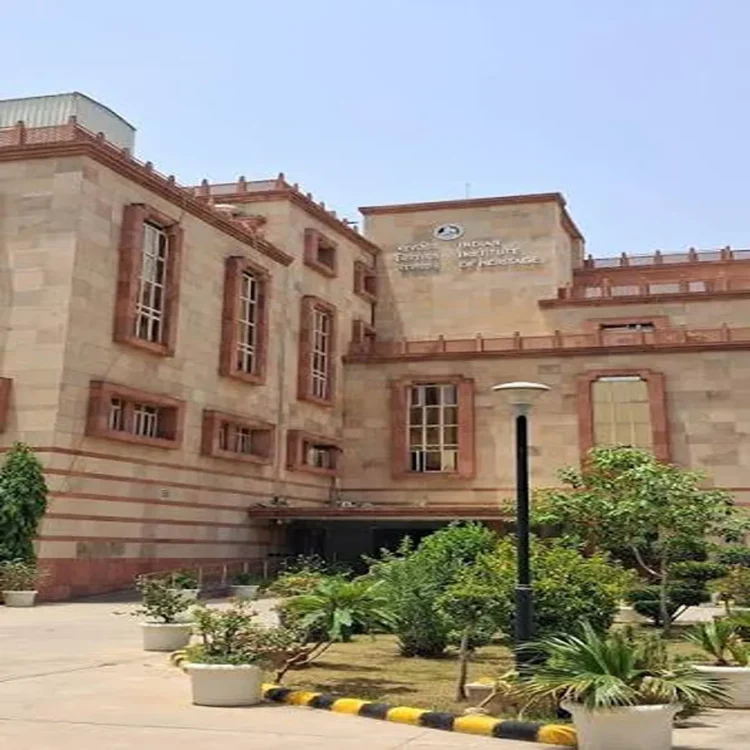
Heritage – Cultural education and heritage management opportunities in India are expanding rapidly – The Union Ministry of Culture is preparing a long-term strategy to elevate the Indian Institute of Heritage (IIH) in Noida into a globally recognised institution for heritage education. The initiative is designed to strengthen academic excellence while creating a skilled workforce in areas such as archaeology, museum studies, conservation, and cultural resource management.
New Leadership to Guide Institutional Growth
As part of the transformation process, the ministry has appointed Sachchidanand Joshi, Member Secretary of the Indira Gandhi National Centre for the Arts (IGNCA), as the Vice-Chancellor of IIH. Officials believe his appointment will provide the academic direction and administrative leadership needed to position the institute among leading international centres dedicated to heritage education.
According to ministry officials, India’s vast cultural legacy presents enormous opportunities for research, preservation, and professional careers. However, awareness of these career paths remains relatively low. By expanding its academic reach and modernising its curriculum, IIH is expected to become a preferred destination for students interested in heritage-related disciplines from across the country.
Wider Range of Academic Programmes Planned
The proposed roadmap includes the introduction of several specialised courses beyond traditional heritage studies. Planned academic offerings include archaeology, museology, art history, manuscript studies, numismatics, heritage management, conservation science, and tourism management. The ministry aims to create multidisciplinary programmes that combine practical training with academic research to prepare students for emerging roles in the heritage sector.
Officials said these new programmes are intended to address the evolving needs of museums, archives, research institutions, cultural organisations, and conservation projects across India.
Growing Demand for Heritage Professionals
The expansion of museums, restoration projects, and cultural initiatives has created increasing demand for trained professionals with specialised expertise. Government officials believe IIH can play an important role in supplying qualified experts capable of supporting both public and private heritage initiatives.
In addition to strengthening classroom education, the institute is expected to encourage research, professional collaboration, and field-based learning, allowing students to gain practical exposure to heritage preservation and museum management.
Greater Outreach to Students Nationwide
To improve its national presence, IIH has increased its student intake by 45 seats during the current academic session. The institute has also organised the first All India Heritage Test through the regional network of IGNCA, aiming to identify talented students from different parts of the country and encourage wider participation in heritage education.
Officials believe such initiatives will help raise awareness about educational opportunities in this specialised field while attracting students with diverse academic backgrounds.
Infrastructure and Consultancy to Support Expansion
The ministry has acknowledged that achieving international standards will require sustained investment in infrastructure, experienced faculty, modern research facilities, and expanded academic resources. These improvements are expected to support the institute’s long-term vision of becoming a centre of excellence.
At the same time, IIH is likely to strengthen its financial and academic capabilities through consultancy assignments and professional collaborations. The institute is already contributing expertise to museum development projects, including defence museums, the Kedarnath redevelopment initiative, and various heritage conservation programmes.
PMML Launches Civic Learning Initiative
Separately, the Prime Ministers Museum and Library (PMML) has introduced a new educational programme titled “Jan Se Gan Tak” for higher secondary students in Delhi. The initiative is intended to deepen students’ understanding of the Constitution, democratic traditions, and civic responsibilities through museum-based learning experiences.
The inaugural session brought together 21 students representing five schools. Participants took part in guided museum tours, interactive discussions, and educational activities designed to encourage greater awareness of India’s democratic institutions and constitutional values.