
Dengue – Jharkhand Strengthens District Preparedness as Monsoon Raises Disease Risk
Dengue –The Jharkhand government has instructed all district administrations to intensify preventive measures against dengue and chikungunya as the monsoon season creates conditions favorable for mosquito breeding. The Health, Medical Education and Family Welfare Department has issued a statewide advisory directing Deputy Commissioners to begin immediate action aimed at reducing the risk of infections and strengthening public awareness.
State Directs Immediate Preventive Action
With the possibility of a rise in mosquito-borne illnesses during the rainy season, the state government has called for coordinated efforts across all districts. Additional Chief Secretary Ajay Kumar Singh has asked officials to remain particularly alert in areas affected by waterlogging, where mosquito breeding is more likely. District authorities have been instructed to identify such locations quickly and eliminate breeding grounds without delay.
The advisory emphasizes that early intervention is essential to limit the spread of both diseases and reduce the burden on healthcare facilities during the monsoon months.
Focus on Eliminating Mosquito Breeding Sites
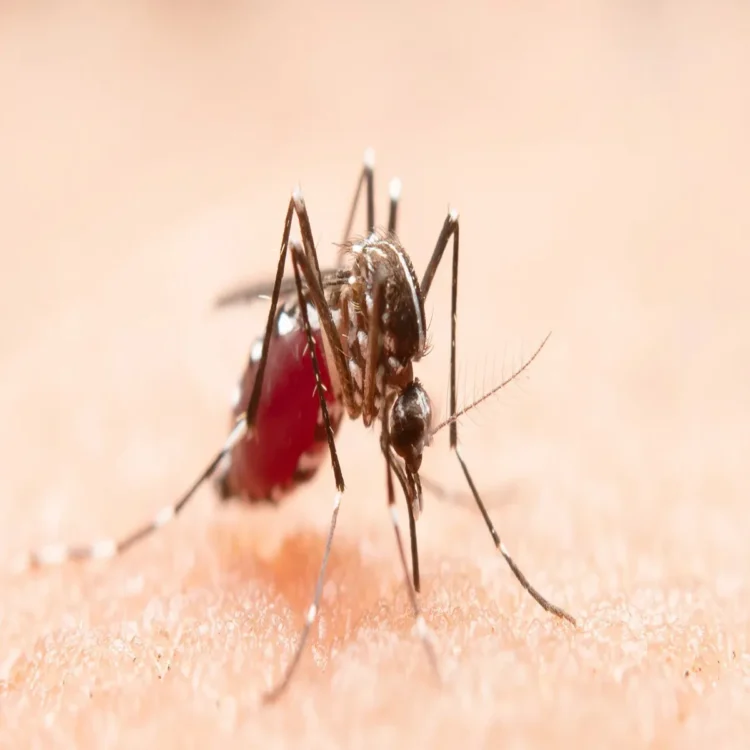
According to the Health Department, dengue and chikungunya are caused by viruses transmitted through the bite of infected female Aedes mosquitoes. These mosquitoes commonly breed in clean, stagnant water collected in everyday household and outdoor items.
Officials have identified containers such as water coolers, uncovered storage tanks, plastic bottles, old tyres, buckets, flower pots and discarded materials capable of holding rainwater as common breeding spots. Residents have been urged to inspect their surroundings regularly, remove standing water and maintain proper sanitation to prevent mosquito breeding.
Joint Campaign Across Local Bodies
The advisory directs municipal corporations, municipal councils, local administrative bodies and frontline health workers to work together in carrying out prevention activities. Multi-Purpose Workers, community volunteers and Sahiyas have been assigned an important role in identifying mosquito breeding locations and ensuring they are destroyed.
Each district administration has also been asked to prepare a detailed action plan outlining local prevention strategies and submit it to the state headquarters. The government has made dengue and chikungunya control one of the highest public health priorities during the current monsoon season.
Door-to-Door Surveillance to Be Intensified
Health officials will expand vector surveillance by conducting door-to-door inspections to detect mosquito larvae before they develop into adult mosquitoes. This campaign is expected to cover residential neighborhoods as well as public spaces where stagnant water may accumulate.
To support these operations, districts have been instructed to maintain adequate supplies of essential field equipment, including plastic dippers, pipettes and larva collection vials. These tools will assist surveillance teams in monitoring mosquito populations and carrying out timely control measures.
Public Asked to Follow Safety Measures
Alongside government action, the Health Department has appealed to residents to actively participate in preventing the spread of mosquito-borne diseases. People have been advised not to allow water to collect in or around their homes, clean coolers and other water storage containers frequently, and keep overhead tanks and other reservoirs properly covered.
The department has also urged anyone experiencing fever or related symptoms to visit the nearest government health facility or authorized medical centre for evaluation instead of relying on self-medication. Early diagnosis and prompt treatment can help reduce complications and improve recovery.
Health officials said the success of the campaign will depend on sustained cooperation between government agencies and the public. They stressed that community participation, regular surveillance and timely preventive action are essential to limiting the spread of dengue and chikungunya across Jharkhand during the rainy season.