
UNSC Campaign – India Begins Global Push for Security Council Seat in 2028-29
UNSC Campaign – India is preparing to formally begin its campaign for a non-permanent seat on the United Nations Security Council for the 2028-29 term, as External Affairs Minister S. Jaishankar is scheduled to launch the country’s bid during his upcoming visit to the United States. The visit will also include a high-level meeting with United Nations Secretary-General Antonio Guterres and discussions on global cooperation with European leaders, reflecting India’s expanding diplomatic engagement at a time of significant international challenges.
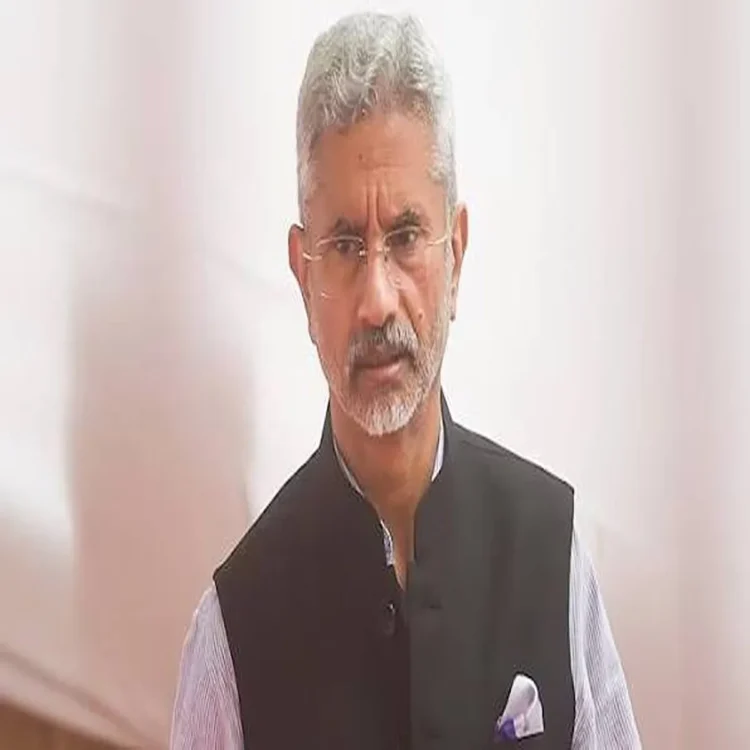
India to Launch Official UNSC Election Campaign
According to the planned schedule, Jaishankar will attend a special event at the United Nations headquarters in New York on Monday, where India will officially announce its campaign for the 2028-29 non-permanent seat on the Security Council. The election for the Asia-Pacific Group seat is expected to take place in June next year, with India competing against Tajikistan for the single available position in the regional category.
India previously served as a non-permanent member of the Security Council during the 2021-22 term and is seeking to return with a renewed commitment to strengthening multilateral cooperation and international peace.
Meeting With UN Chief on Global Priorities
During his visit to the United Nations headquarters, Jaishankar is also scheduled to hold talks with UN Secretary-General Antonio Guterres. The meeting comes as the international community continues to address multiple geopolitical crises, including the ongoing conflict in Ukraine, the humanitarian situation in Gaza, and tensions involving Iran, Israel and the United States.
These discussions are expected to focus on international security, global governance and the role of multilateral institutions in responding to emerging global challenges.
India Highlights Vision for Peace and Progress
As part of its campaign, India has adopted the message “India4UNSC 2028-29: Peace, Planet, Progress,” reflecting its stated priorities for international cooperation and sustainable development. New Delhi has consistently maintained that its growing economic influence, population size and contributions to global peacekeeping make it well suited to play a greater role within the Security Council.
The campaign also aligns with India’s broader diplomatic outreach aimed at increasing the voice of developing nations in international decision-making institutions.
Call for Long-Pending Security Council Reforms
India has repeatedly argued that meaningful reform of the United Nations Security Council can no longer be postponed. Successive Indian governments have maintained that the existing structure, established in 1945, does not adequately represent today’s geopolitical realities or the interests of emerging economies.
Prime Minister Narendra Modi recently reiterated this position while addressing the Parliament of Indonesia, stating that the rapidly changing global order requires greater participation by developing countries in international institutions. He emphasized that reforms to the Security Council are essential to ensure fair representation and improve the effectiveness of global governance.
Permanent Membership Remains a Key Objective
Beyond its current campaign for a non-permanent seat, India continues to press for comprehensive reform of the Security Council, including expansion of both permanent and non-permanent memberships. Indian officials have argued that limiting reforms only to temporary seats would leave the existing decision-making structure largely unchanged, as the five permanent members would continue to retain exclusive veto powers.
New Delhi has consistently maintained that any reform process should address long-standing imbalances rather than preserve the current framework. Indian representatives at the United Nations have also cautioned against allowing prolonged negotiations or procedural disagreements to delay meaningful progress, saying that such approaches risk reinforcing existing inequalities within the Council instead of making the institution more representative and effective.
Following his engagements at the United Nations, Jaishankar is scheduled to travel to Brussels, where he will participate in the third India-European Union Trade and Technology Council meeting and hold discussions with European Union and Belgian leaders on strengthening strategic and economic cooperation.