
Uranium – NGT Adds Delhi Authorities in Groundwater Contamination Case
Uranium –The National Green Tribunal has widened its inquiry into uranium contamination in groundwater by adding the Delhi Pollution Control Committee and the Delhi government as respondents. The move follows findings suggesting that a notable share of groundwater samples collected in the capital contained uranium levels above the permitted standard.
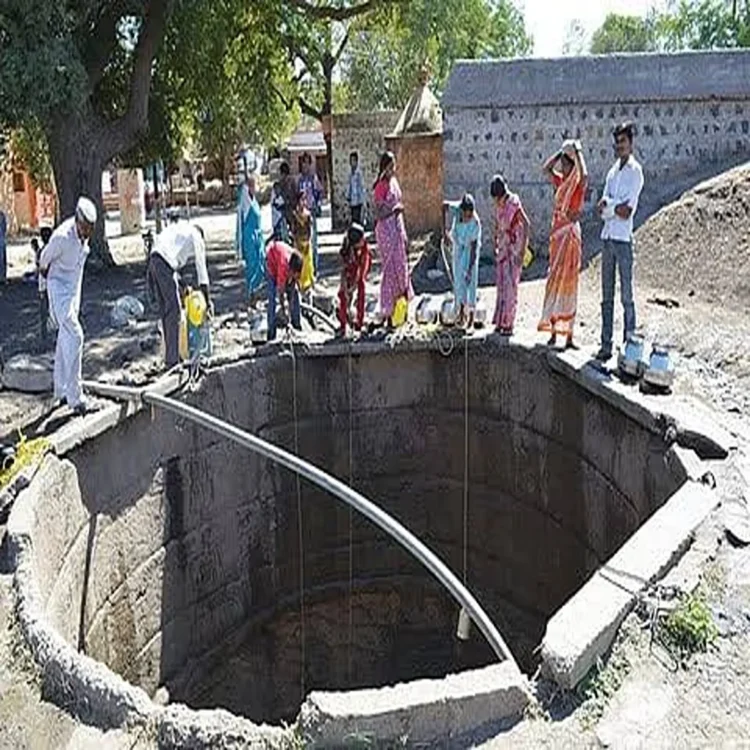
Tribunal directs notices to Delhi agencies
The order was passed by a Bench led by NGT Chairperson Justice Prakash Shrivastava along with expert member Afroz Ahmad. The Tribunal asked its Registry to issue notices to the Delhi Pollution Control Committee through its Member Secretary and to the Government of NCT of Delhi through the Principal Secretary of the Environment Department.
The proceedings are part of a suo motu case initiated after a media report highlighted the detection of uranium in breast milk samples across six districts of Bihar. While hearing the matter, the Tribunal examined wider concerns linked to groundwater quality in different parts of the country.
Report on Delhi samples placed before NGT
The NGT also directed that a report published by The Indian Express on November 28, 2025, be formally included in the case record. The report cited the Central Ground Water Board’s Annual Ground Water Quality Report 2025, which reviewed groundwater samples from across India.
According to the findings referred to in the Tribunal’s order, 24 of the 83 groundwater samples tested in Delhi were found to have uranium levels beyond the prescribed limit. This represented around 13 to 15 per cent of the total samples examined in the capital.
The national assessment was based on nearly 15,000 groundwater samples collected during 2024. Apart from uranium, several monitored locations in Delhi were reported to have exceeded drinking water standards set by the Bureau of Indian Standards on other quality parameters as well.
North-western region identified as an area of concern
The groundwater report identified parts of north-western India as areas where uranium contamination requires closer attention. Punjab, Haryana, Delhi, portions of Rajasthan and Uttar Pradesh were among the regions mentioned in the findings.
The report linked the issue to natural geological conditions, declining groundwater levels and the characteristics of underground aquifers. It indicated that uranium in groundwater may occur due to a combination of geogenic factors and changes in water extraction patterns.
The Tribunal also took note of nitrate and fluoride contamination reported in some Delhi groundwater samples. It observed that regular testing and location-specific corrective measures were necessary to protect drinking water quality and reduce possible public health risks.
Centre seeks time to file its response
During the hearing, counsel appearing for the Central Ground Water Commission requested six weeks to submit a reply. The counsel informed the Tribunal that the matter was being considered by the concerned Ministry.
The NGT allowed the request while continuing to examine the wider issue of uranium contamination and water safety. The case is expected to focus on the steps being taken by government agencies to monitor groundwater quality and ensure access to safe drinking water in affected areas.
Earlier Bihar matter also recalled
The Bench referred to an earlier order issued on December 20, 2022, in a separate suo motu case concerning uranium contamination in Bihar’s groundwater. It noted that concerns related to uranium levels in the state had already been examined by the Tribunal.
In the earlier proceedings, a joint committee had concluded that uranium concentration in Bihar groundwater was generally within the range of natural variation. However, authorities were instructed to remain alert in locations where uranium levels crossed permissible limits and to provide safe drinking water to residents where required.
The present matter has been scheduled for further hearing on September 24.