
Archaeology – ASI Finds Telugu Inscriptions in Nallamala Tiger Reserve
Archaeology – The Archaeological Survey of India’s Epigraphy Branch has documented three Telugu inscriptions dating back to the 15th and 16th centuries during a recent survey in the Nallamala Tiger Reserve Forest area. The findings are expected to offer useful insights into the social practices, religious customs and local history of the period.
Inscriptions Located in Prakasam District
Two of the inscriptions were identified near the Poleramma temple in Palutla village, while the third was found at Gangaram Penta within the Nallamala forest region. The sites fall under the Yerragondapalem mandal area of Prakasam district.
Officials said the inscriptions were copied as part of the ASI’s epigraphical documentation work. All three records are written in Telugu and use script styles associated with the 15th and 16th centuries CE.
Record Mentions Temple Cradle Pillars
The first inscription refers to the construction of cradle pillars, locally known as Uyyala-Kambalu, for Goddess Poleramma. According to the record, the structure was commissioned by Jangam, the son of Lingabattu from Gurajala.
The inscription mentions that the work was carried out during the Akshaya year on Sravana Suddha Dasami. Such references are considered important because they provide details about temple-related practices and the role of local residents in supporting religious institutions.
Village Hero Remembered for Saving Residents
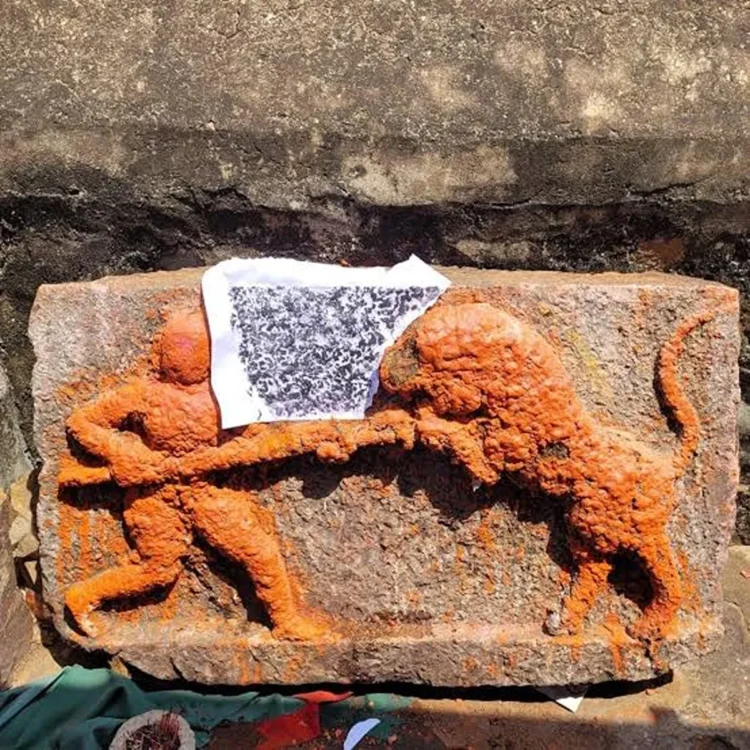
The second inscription records the story of Bepika, described as a local hero from Palutla village. It states that he killed a tiger while protecting villagers from danger.
The account offers a rare example of how local bravery and community service were remembered through inscriptions. It also reflects the close connection between forest settlements and wildlife in the Nallamala region during that era.
Land Donation Recorded for Kanudeva Temple
The third inscription relates to a land grant made to the Kanudeva temple, which was located in a mango orchard in the village. The record states that Srikara donated six putla of land to the temple for the spiritual merit of his parents.
The donation was made on a Purnima, or full moon day, according to the inscription. Land grants to temples were common in earlier centuries and often supported religious activities, agricultural use and the maintenance of local shrines.
Findings Offer Clues to Earlier Social Life
ASI Director K. Munirathnam Reddy said the inscriptions provide valuable information about customs followed by communities in the region several centuries ago. The records point to traditions involving temple construction, land donations, memorials to local heroes and religious observances.
The survey is part of the ASI’s continuing effort to identify, preserve and study historical inscriptions across the country. Researchers believe the newly documented Telugu records may help build a clearer understanding of village life and cultural traditions in the Nallamala forest region during the medieval period.