
Energy Efficiency – MCD Schools in Civil Lines Join Green Energy Drive
Energy Efficiency – Energy Efficiency Services Limited (EESL) has joined hands with the Foundation for Agricultural Resources Management and Environmental Remediation (FARMER) and the Municipal Corporation of Delhi (MCD) to launch an energy-saving programme in schools located in the Civil Lines Zone. The initiative is aimed at improving energy use in public schools while encouraging students to understand the value of conservation and sustainable living.
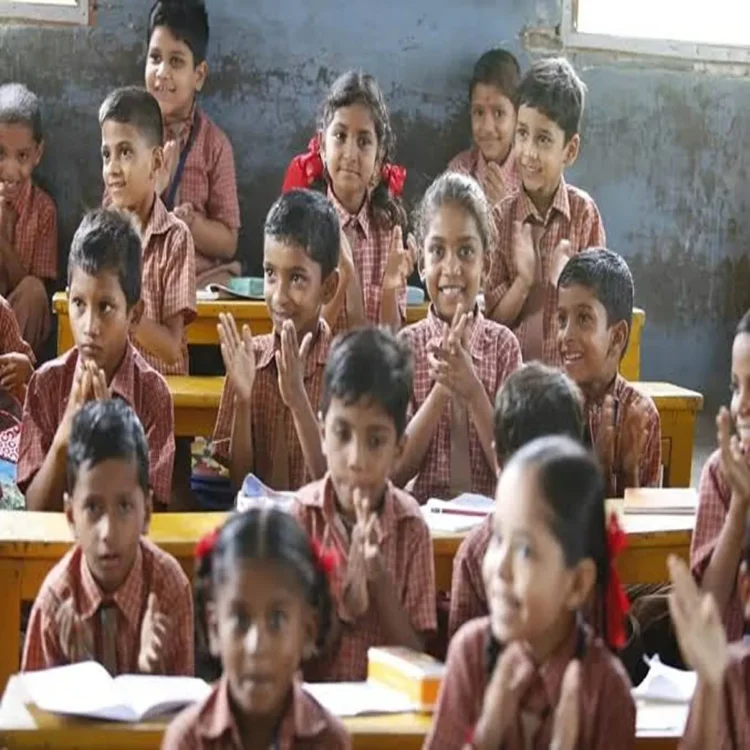
Partnership focuses on efficient energy use in schools
The programme is part of a broader effort to support India’s climate action commitments and promote responsible energy habits among young people. EESL, a joint venture operating under the Ministry of Power, will work with participating MCD schools to introduce practical energy management measures.
Under the agreement, selected schools will receive support for adopting systems that help monitor and reduce unnecessary electricity consumption. EESL will also facilitate the use of energy-efficient appliances and equipment, helping schools lower their power requirements without affecting daily academic activities.
Initiative linked to national sustainability goals
MCD Commissioner Ashwini Kumar said the project could play an important role in supporting India’s Sustainable Development Goals by reducing energy consumption and lowering carbon emissions. He said the effort would also help build awareness of environmentally responsible choices among students and school communities.
The initiative is being carried out with support from EESL under the leadership of its Chief Executive Officer, Akhilesh Kumar Dixit. Officials said the programme is designed not only to improve infrastructure but also to encourage long-term behavioural changes around electricity use in educational institutions.
Energy conservation in schools can have a wider impact because students often carry these habits into their homes and communities. Measures such as efficient lighting, improved appliances and better monitoring of electricity use can reduce avoidable consumption while also cutting operating costs for public institutions.
EESL reports nationwide energy savings
EESL said its energy-efficiency programmes across the country have resulted in annual financial savings of more than Rs 19,153 crore. The organisation also reported that its initiatives have helped avoid peak electricity demand of about 9,586 MW nationwide.
Peak demand reduction is considered important for power systems, particularly during periods when electricity consumption rises sharply. Lower demand can reduce pressure on the grid and limit the need for additional power generation capacity.
The school initiative in Civil Lines is expected to contribute to these wider goals by creating a more efficient approach to electricity use in municipal schools. While the project focuses on selected institutions in Delhi, it reflects a broader push to integrate energy-saving practices into public infrastructure.
Delhi and Andhra Pradesh show strong performance
EESL identified Delhi and Andhra Pradesh as among the leading performers in energy conservation efforts. Andhra Pradesh has recorded annual energy savings of 2,863 million units, along with estimated financial savings of Rs 1,145 crore.
Delhi has achieved annual savings of 1,192 million units of electricity, translating into estimated monetary savings of Rs 703 crore. These figures highlight the potential of energy-efficient technology and better energy management in reducing costs and emissions.
Officials believe similar programmes in schools can support Delhi’s environmental targets while improving awareness among future generations. The Civil Lines initiative is expected to provide a model for energy-saving measures in other MCD school zones if the project delivers the intended results.