
Football – Delhi’s Local Game Seeks Revival Amid World Cup Fervour
Football – As the FIFA World Cup moves through its knockout rounds, Delhi’s nights have taken on a familiar rhythm. Homes, cafes and neighbourhood gathering spots remain awake for late matches, while online conversations fill with arguments over formations, officiating calls and memorable finishes. The surge in viewing and digital activity underlines the strong following international football enjoys in the capital.
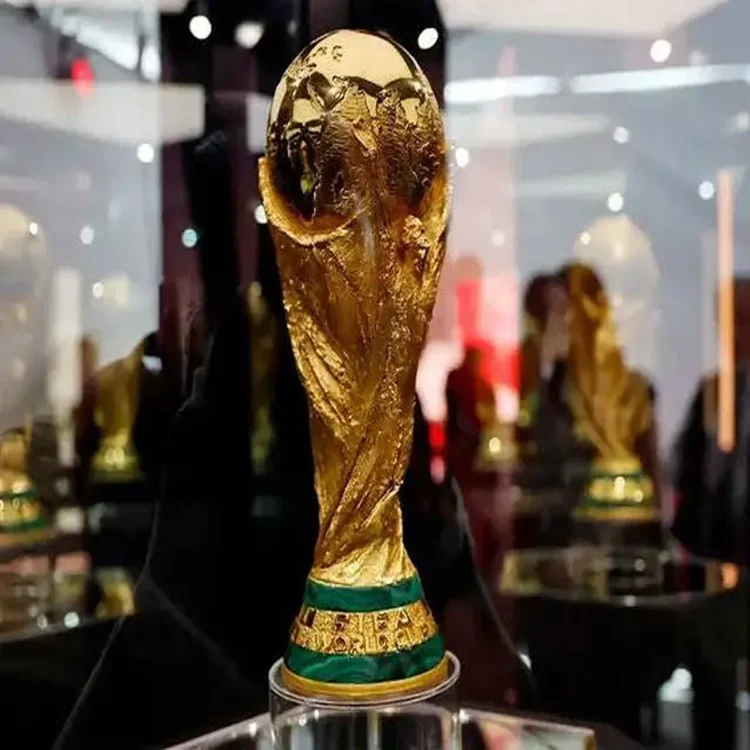
Global Football Draws Wider Attention
Support for overseas clubs and national teams is widespread across Delhi. Many fans closely follow competitions in England, Spain, Germany and Argentina, and players such as Lionel Messi, Kylian Mbappé and Jude Bellingham regularly dominate conversations during major tournaments.
Yet the excitement surrounding the global game does not always extend to football played within the city. A large section of Delhi’s football audience remains unfamiliar with the clubs and competitions that have shaped the capital’s sporting history. The gap is particularly noticeable during the World Cup, when attention shifts almost entirely to international fixtures.
A Strong Local League Tradition
Delhi was once known for a lively and competitive local football scene. The Delhi Football League had a strong following and brought together clubs linked to neighbourhoods, workplaces and community groups. Teams including Garhwal Heroes, Moonlight FC and City Club carried local identities and drew supporters who viewed matches as more than a sporting contest.
For many years, football in Delhi was built around direct connections between clubs and their communities. Fans knew the players, followed rivalries closely and turned up regularly for league fixtures. That atmosphere gave the city a football culture rooted in familiarity and local pride rather than television coverage alone.
Ambedkar Stadium at the Centre
Ambedkar Stadium near Delhi Gate served as the main venue for this football tradition. Before satellite television became common, supporters from Old Delhi and surrounding areas regularly filled the stands for league matches. The stadium hosted intense contests, with local rivalries reflecting the energy of the city’s older neighbourhoods.
Located close to the historic Feroze Shah Kotla sporting complex, Ambedkar Stadium stood beside the venue that later became Arun Jaitley Stadium. Football and cricket shared the same broader sporting area, but their paths changed considerably over time.
Urban Growth Changed Fan Connections
Delhi’s rapid expansion during the 1990s and early 2000s altered the social structure that had supported local football. New residential centres developed across Dwarka, Rohini, Noida, Ghaziabad and Gurugram, spreading the population across a much larger metropolitan region.
For supporters who once lived close to Ambedkar Stadium, attending matches became harder because of long travel times and changing work routines. As neighbourhood ties weakened, local clubs also lost some of the regular community backing that had kept league football visible.
Cricket Built a Larger Commercial Network
Cricket, meanwhile, gained stronger financial and institutional support. The redevelopment of Feroze Shah Kotla into Arun Jaitley Stadium reflected the sport’s expanding commercial influence. Broadcast deals, sponsorships, international matches and the Indian Premier League created a year-round platform for cricket.
Delhi Capitals matches and major international fixtures now attract large crowds and extensive television coverage. Local football games, despite their history, often take place before smaller groups of committed followers. The difference is shaped not only by audience interest but also by marketing, investment and consistent commercial support.
A Chance to Reconnect With Local Football
Following global football is part of modern sporting culture, and Delhi’s World Cup enthusiasm shows the game’s appeal. However, a stronger football ecosystem also depends on support for local teams, youth players and city-based competitions.
Delhi’s football legacy continues through historic clubs, dedicated officials, long-time supporters and young players hoping to progress in the sport. As the World Cup keeps fans engaged, renewed attention towards Ambedkar Stadium and local leagues could help reconnect the city with a sporting tradition that remains an important part of its past.