
Electric Vehicles – Delhi EV Policy Sets Roadmap for Cleaner Urban Transport
Electric Vehicles – Delhi Chief Minister Rekha Gupta has said the capital’s new Electric Vehicle Policy is intended to address air pollution through a wider shift towards cleaner transport. The policy combines financial support for buyers with measures covering charging facilities, vehicle replacement, electronic waste disposal and long-term environmental planning.
Policy extends beyond purchase incentives
Speaking about the policy, Gupta said the government had prepared it as a broader mobility framework rather than a scheme limited to subsidies. According to her, the plan includes incentives for scrapping older vehicles, support for charging infrastructure and a proposed system for handling e-waste generated by electric vehicles.
She said Delhi required a structured EV policy that could support the transition at every stage. The government, she added, has included purchase subsidies, scrapping benefits and operational measures to encourage wider adoption of electric transport.
Pollution control remains central objective
Gupta described pollution as one of Delhi’s most serious concerns and said the administration was pursuing action across several areas. These include dust-control efforts, a plantation programme targeting 70 lakh trees and steps to reduce emissions from vehicles.
Electric mobility, she said, is a key part of the city’s strategy to bring down pollution linked to road transport. The government believes a larger number of electric vehicles on Delhi’s roads can help reduce dependence on conventional fuel-powered vehicles over time.
Electric bus fleet to receive further push
Delhi already operates about 4,500 electric buses, which Gupta said is the largest such fleet among Indian states. The government has also issued new tenders under the PM E-Drive initiative to add more electric buses to the public transport network.
The policy encourages the use of electric two-wheelers, three-wheelers, cars and commercial vehicles, including N1 and N2 category trucks. Gupta said subsidies, exemption from registration charges and road tax relief are expected to lower the cost of owning electric vehicles.
Charging network targeted for major expansion
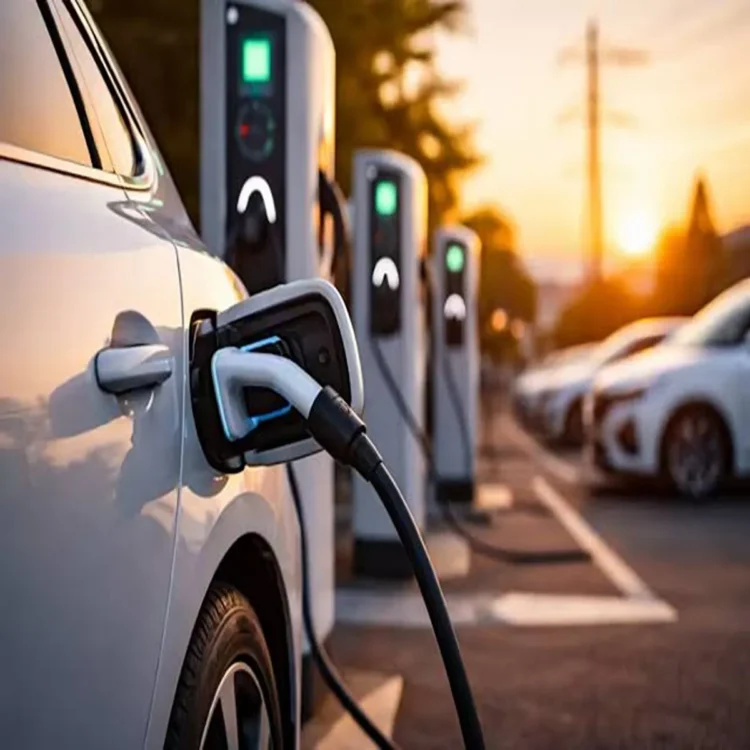
The Chief Minister said public confidence in charging availability will be essential for achieving the government’s target of more than 30 per cent EV adoption by 2030. Delhi currently has around 9,000 charging points, and the government plans to increase that number to 32,000.
Responsibilities for expanding the network have been assigned to vehicle manufacturers, resident welfare associations, housing societies and commercial establishments. A single-window approval system is also planned to simplify the process of setting up charging stations.
Existing fuel vehicles to remain valid
Gupta said owners of petrol and diesel vehicles should not be concerned about an immediate disruption, as the policy will be implemented in stages. Existing vehicles will be allowed to operate until the end of their legally permitted life.
From January 1, 2027, registration of new auto-rickshaws in Delhi will be restricted to electric models. From April 2028, new registrations of two-wheelers will also be limited to electric vehicles. Gupta said the phased approach was necessary for a policy involving an estimated government investment of Rs 15,000 crore.
Separate framework planned for e-rickshaws
E-rickshaws have not been included in the present policy because of concerns related to livelihoods, road safety and traffic congestion. Gupta said the government would prepare a separate policy after consulting stakeholders connected with the sector.
She also said Delhi’s electricity system is prepared to support higher EV usage. The government is strengthening substations, improving power planning and expanding solar energy use, including rooftop solar installations and solar power at government buildings.
The Delhi EV Policy will remain in force until March 31, 2030. It aims to make electric vehicles the preferred transport option in the capital, offering incentives for pure electric vehicles while excluding strong hybrid models from subsidy benefits.