
Heat Index – Delhi Faces Dangerous Humidity as Feels Like Temperature Climbs to 53.5°C
Heat Index – Delhi experienced another difficult day on Tuesday as soaring humidity combined with high temperatures to create severe discomfort across the city. Although the official maximum temperature remained at 40.5 degrees Celsius, the heat index, commonly known as the “feels like” temperature, climbed to an alarming 53.5 degrees Celsius during the evening. The sharp rise highlighted the growing health concerns linked to humid weather, even when recorded temperatures stay below heatwave thresholds.
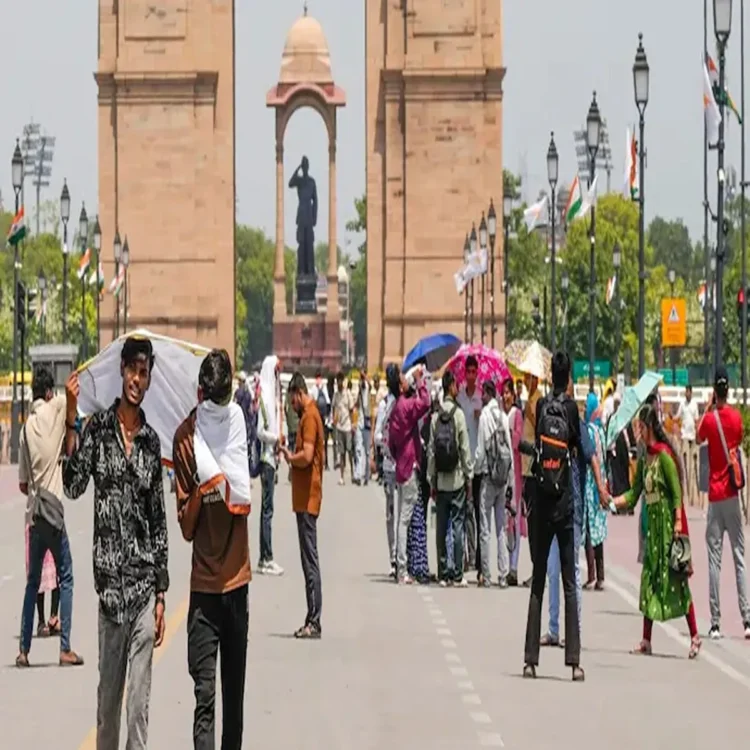
Weather Stations Record Above-Normal Temperatures
According to the India Meteorological Department (IMD), the Safdarjung observatory, considered Delhi’s primary weather station, reported a maximum temperature of 40.5 degrees Celsius. Palam recorded 41 degrees Celsius, while Ridge emerged as the hottest location with 41.5 degrees Celsius, nearly five degrees above the seasonal average. Ayanagar also witnessed warmer-than-normal conditions with a maximum temperature of 40.1 degrees Celsius.
Light traces of rainfall were observed in several parts of the capital during the morning hours. Safdarjung, Palam, Lodhi Road and Ayanagar received minimal precipitation before 8:30 am, whereas Ridge remained dry. During the day, only Palam and Ayanagar recorded additional traces of rain, while the remaining stations reported no measurable rainfall.
Why the Heat Felt Much More Intense
Meteorologists explained that the combination of high air temperature and elevated moisture levels caused the heat index to rise dramatically. The heat index represents how hot the weather actually feels to the human body by considering both temperature and relative humidity rather than temperature alone.
When humidity increases, sweat cannot evaporate efficiently from the skin. Since evaporation is the body’s primary cooling mechanism, reduced evaporation makes it much harder for people to cool themselves naturally. As a result, conditions that appear manageable based on temperature readings alone can become significantly more stressful and dangerous for the human body.
Health Risks Increase During Humid Weather
Medical experts caution that humid heat often poses greater health risks than dry heat. As perspiration remains on the skin instead of evaporating, the body’s core temperature can rise rapidly. This increases the likelihood of dehydration, heat exhaustion and, in severe situations, heatstroke and organ damage.
The cardiovascular system also comes under added pressure because the heart must circulate more blood toward the skin to release excess body heat. Older adults, young children and people living with existing medical conditions are considered particularly vulnerable during such weather. Authorities continue to advise residents to stay hydrated, avoid prolonged outdoor exposure during peak afternoon hours and seek shade or air-conditioned spaces whenever possible.
Weather Pattern Behind the Uncomfortable Conditions
Weather specialists attribute the current situation to the interaction of two contrasting air masses. Hot and dry winds moving from Pakistan have combined with moisture-rich southwesterly winds arriving from the Arabian Sea. While the humid air increases discomfort, it has not yet produced widespread rainfall across Delhi.
Meteorologists said this interaction encourages cloud formation later in the afternoon. However, by the time clouds develop, daytime heating has already reached its peak, allowing both the actual temperature and the heat index to remain exceptionally high for several hours.
Relief May Be Limited Until Monsoon Arrives
Forecasters expect isolated thunderstorms over the coming days, which could offer temporary relief in some areas. However, they believe the uncomfortable humidity will likely continue until the southwest monsoon fully advances into the national capital.
Until monsoon conditions become established, Delhi residents may continue to experience extremely high “feels like” temperatures despite official maximum temperatures remaining below the criteria for a declared heatwave. Experts recommend monitoring weather advisories closely and taking necessary precautions to reduce the risk of heat-related illnesses.