
Strait of Hormuz – Iran and Oman Hold Fresh Talks on Maritime Navigation Framework
Strait of Hormuz – Iran and Oman have renewed diplomatic engagement over the future management of maritime traffic through the Strait of Hormuz, a waterway that carries a significant share of global energy shipments. Iranian Foreign Minister Abbas Araghchi and Omani Foreign Minister Sayyid Badr Albusaidi recently discussed plans aimed at strengthening navigation services and administrative coordination in the strategically important passage.
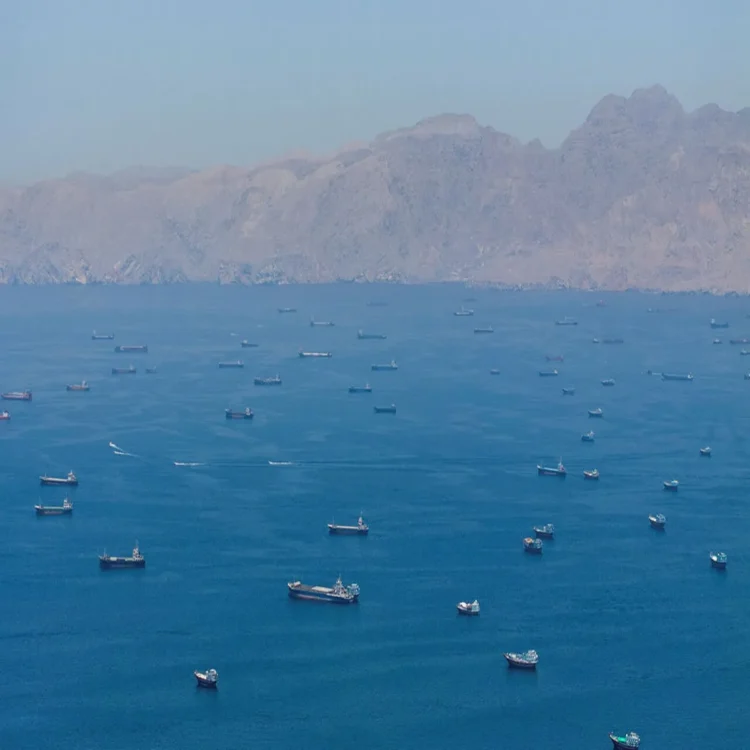
Iran and Oman Reaffirm Maritime Cooperation
According to Iranian media reports, both ministers reviewed a proposed 60-day framework concerning shipping movement in the Strait of Hormuz. Following the discussions, Araghchi described his conversation with his Omani counterpart as productive, saying both governments had agreed to continue dialogue on future administrative arrangements and maritime services linked to the waterway.
In a statement shared on social media, the Iranian foreign minister noted that the discussions built upon the recent joint declaration issued in Muscat. He said Iran and Oman remain committed to consulting neighboring countries while shaping future mechanisms related to navigation and maritime coordination in the Strait.
International Focus on Free Navigation
The latest diplomatic exchanges came shortly after the Ministerial Meeting between the United States and the Gulf Cooperation Council (GCC) held in Manama, Bahrain. During the meeting, participating ministers highlighted the importance of keeping the Strait of Hormuz open for international shipping.
The gathering, co-chaired by US Secretary of State Marco Rubio and Bahrain’s Foreign Minister Abdullatif bin Rashid Al Zayani, also included foreign ministers from GCC member nations and GCC Secretary General Jasem Albudaiwi. Their joint statement stressed that freedom of navigation and the internationally recognized right of transit passage remain essential for regional stability and global trade.
The ministers also opposed the introduction of shipping tolls, transit charges, or any unilateral attempts to exercise control over commercial passage through the strategic waterway.
Oman Announces Shipping Corridor
Oman stated that, in cooperation with the International Maritime Organization, it has been facilitating a dedicated shipping transit corridor through the Strait of Hormuz. According to Omani authorities, the initiative is intended to maintain uninterrupted maritime movement while ensuring vessels can navigate the route without additional transit fees.
Officials said the measure aligns with diplomatic efforts involving both the United States and Iran to preserve stability in one of the world’s busiest maritime routes.
IRGC Issues Warning to Commercial Vessels
Following these developments, Iran’s Islamic Revolutionary Guard Corps (IRGC) Navy issued a warning directing all commercial vessels to use only navigation corridors authorized by Iranian authorities.
The IRGC said reports of alternative shipping routes introduced without prior consultation with Tehran were unacceptable and could create safety concerns. It emphasized that ships operating outside officially designated channels could face enforcement measures.
Iranian authorities further instructed vessels crossing the Strait to remain in communication with the IRGC Navy through Channel 16, stating that compliance with navigation procedures is mandatory during transit.
Trump Opposes Potential Shipping Fees
Meanwhile, US President Donald Trump also commented on the issue during a meeting with NATO Secretary General Mark Rutte. Speaking to reporters, Trump said he would not support any future agreement with Iran that imposed fees on ships passing through the Strait of Hormuz.
He argued that allowing such charges could establish a wider international precedent affecting other major maritime passages around the world. Trump described the possibility as a significant policy shift that, in his view, should not be accepted.
The renewed diplomatic activity and international statements underline the continued importance of the Strait of Hormuz to global commerce, energy security, and regional diplomacy, with multiple governments seeking to ensure safe and uninterrupted maritime navigation while protecting their strategic interests.