
Floods – Flash Floods and Landslides Cause Widespread Damage in Arunachal Pradesh
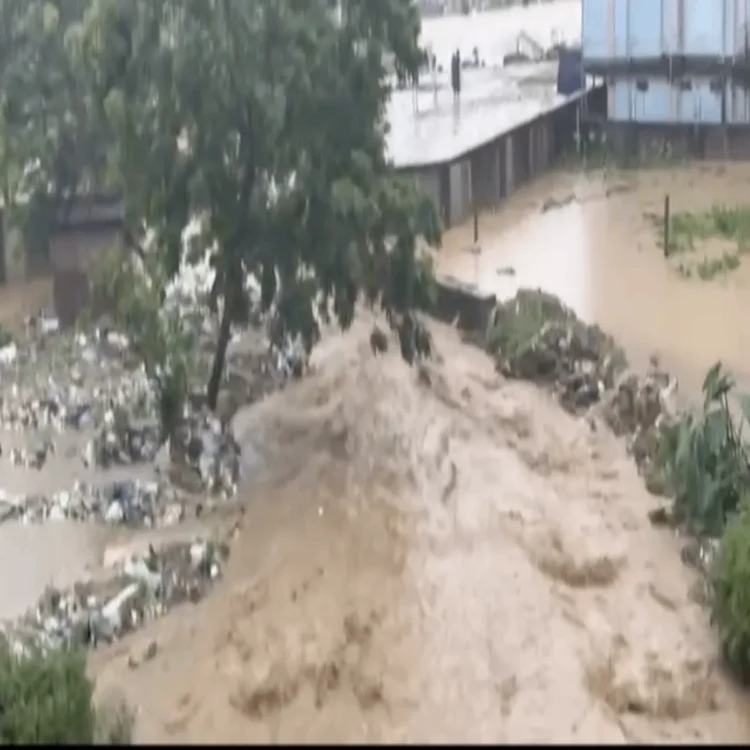
Floods – Flash floods triggered by relentless rainfall over the past two days have caused extensive damage in Arunachal Pradesh’s Keyi Panyor district, leaving at least three people missing and damaging nearly 20 homes and residential structures. Authorities have launched rescue operations while neighbouring Assam remains on high alert over concerns that rising water levels could affect downstream districts.
Rescue Teams Mobilised in Affected Areas
Officials said the missing persons were reported from the NEEPCO project colony near Poosa under the Yazali circle after powerful floodwaters swept through the locality. Heavy rainfall also led to the collapse of a retaining wall, while several low-lying residential pockets were submerged by rapidly rising water.
Senior district officials, including the Additional Deputy Commissioner, Deputy Superintendent of Police and Circle Officer, have reached the affected locations to assess losses and supervise relief efforts. Teams from the State Disaster Response Force have already been deployed, while National Disaster Response Force personnel are moving towards the district to strengthen rescue operations.
Heavy Rain Triggers Landslides and Road Disruptions
Continuous downpours across the mountainous state have also resulted in multiple landslides along a national highway. The landslides disrupted traffic movement and stranded commuters at several points, according to officials in Itanagar.
Over the past several days, Arunachal Pradesh has witnessed intense rainfall that has damaged homes, roads and public infrastructure across different districts. Disaster management authorities have urged residents living in vulnerable zones and near riverbanks to remain cautious and limit non-essential travel.
Dam Water Released as Precautionary Measure
The government-owned North Eastern Electric Power Corporation has initiated controlled water release from the Ranganadi Dam to manage increasing inflows. As a safety measure, electricity generation at the hydropower facility has been temporarily halted.
Meteorological data received from weather agencies in Guwahati and Itanagar showed that Yazali recorded 72.8 mm of rainfall within 24 hours. A substantial portion of the rainfall occurred during the morning hours of June 24, resulting in a sudden surge in water discharge from upper catchment regions.
Satellite observations and radar monitoring indicated extremely heavy rainfall that contributed to flash flooding in the Panyor Lower Hydroelectric Project area, previously known as the Ranganadi Hydroelectric Project. Due to rising inflows, authorities opened a spillway gate to safely release excess water.
Assam Braces for Possible Downstream Impact
The Assam government has intensified monitoring efforts as floodwaters from Arunachal Pradesh are expected to move downstream. Officials anticipate a significant rise in water levels and river flow across the Brahmaputra system and its tributaries.
According to projections, the initial impact may be felt in Dhemaji, Lakhimpur, Biswanath and Sonitpur districts before the flood wave progresses further downstream over the next one to two days. Authorities have warned that stronger river currents and higher discharge volumes could pose risks in flood-prone regions.
Government Directs Maximum Preparedness
Following instructions from Assam Chief Minister Himanta Biswa Sarma, Chief Secretary Ravi Kota has directed all departments and district administrations in vulnerable areas to remain fully prepared. Emergency response agencies, including SDRF and NDRF teams, have been placed on standby for immediate deployment if required.
Local administrations have been asked to closely monitor river conditions and sensitive locations. Residents living in low-lying areas have been advised to stay alert, follow official advisories and relocate to safer places whenever directed.
Authorities have also cautioned people against entering flooded areas or using small boats and country vessels on the Brahmaputra and its tributaries, as water currents are expected to become significantly stronger. Officials said coordination among disaster management agencies remains ongoing, and regular updates will continue to be issued to ensure public safety.