
IoTMarket – India Drives Strong Growth in Global Cellular IoT Sector
IoTMarket – The global cellular Internet of Things (IoT) module industry is projected to continue its upward trajectory throughout 2026 after recording a 4 percent year-on-year increase during the first quarter of the year. A major contributor to this momentum has been India, which delivered notable double-digit growth driven by expanding deployments across multiple connected-device applications.
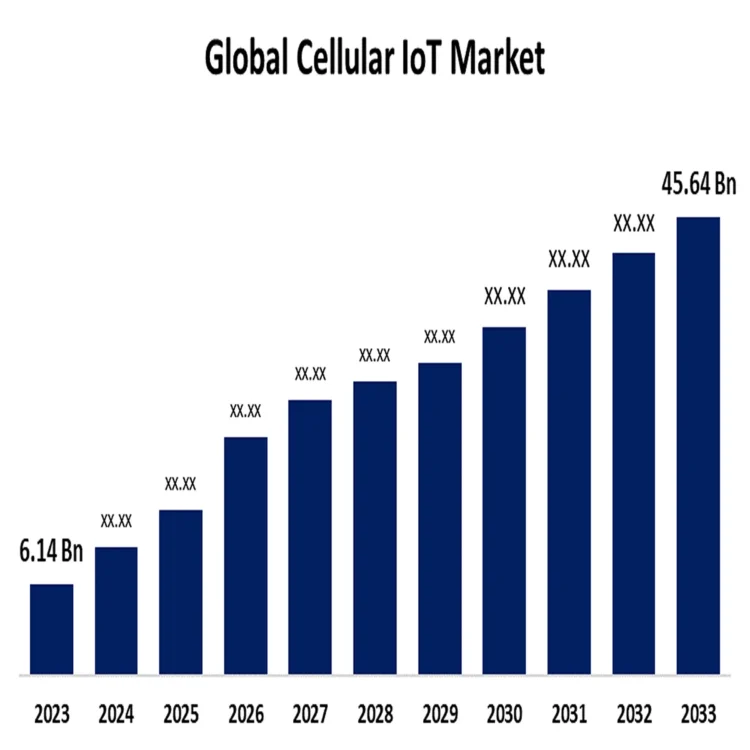
The latest findings from market research firm Counterpoint Research show that India’s performance during the January-March period was supported by growing installations of smart electricity meters, point-of-sale (POS) terminals, asset-tracking solutions, and telematics systems.
India Emerges as a Key Growth Engine
Industry analysts noted that India remains one of the most dynamic markets for cellular IoT modules worldwide. The expansion has been largely fueled by government-backed smart meter initiatives and the increasing use of telematics technologies in commercial vehicle fleet operations.
According to Counterpoint Research Principal Analyst Tina Lu, these developments have created a long-term demand cycle that is expected to continue over the coming years. She added that the market’s growth has remained relatively resilient despite ongoing geopolitical uncertainties and supply-chain disruptions affecting other regions.
China Retains Leadership Despite Shipment Decline
While China continued to account for the largest share of global cellular IoT module shipments by volume, the country’s market experienced a 2 percent decline compared to the same period last year.
Analysts attributed the slowdown primarily to seasonal factors typically seen during the first quarter. The Chinese New Year holiday period affected production and demand patterns, while sectors such as asset tracking, telematics, and POS devices saw reduced purchasing activity from domestic manufacturers.
A decline in passenger vehicle sales also contributed to weaker demand, adding further pressure on shipment volumes during the quarter.
Demand Shifts Across Cellular Technologies
Growth patterns differed significantly across technology categories. Although several module technologies experienced declines, 4G Cat 1 bis modules posted a healthy 12 percent annual increase.
The growth was supported by rising adoption in developing regions, including India, parts of the Middle East and Africa, and Latin America. Applications such as smart metering, payment terminals, asset monitoring systems, and fleet management solutions continued to generate strong demand for these modules.
Researchers believe these sectors will remain important drivers of future market expansion as organizations invest in greater operational efficiency and digital connectivity.
5G Becomes the Fastest-Growing Segment
Among all cellular technologies, 5G recorded the strongest growth rate, expanding by 39 percent compared to the previous year.
The increase was largely linked to growing demand for advanced connectivity solutions in routers, customer premises equipment (CPE), connected personal computers, and automotive applications. As more industries integrate high-speed communication capabilities into their products, adoption of 5G-based IoT modules is expected to accelerate further.
Rising Component Costs May Impact Pricing
Despite positive market fundamentals, industry participants are preparing for potential pricing pressures during the second half of 2026.
Counterpoint Research Director of IoT Practice Mohit Agrawal stated that increasing memory costs and ongoing supply shortages are likely to push module prices higher. Manufacturers may need to adjust pricing strategies to protect profit margins as component expenses continue to rise.
The impact is expected to be particularly noticeable in modules that require larger memory capacities. Higher costs could slow shipment growth in some premium segments while encouraging continued demand for lower-memory alternatives.
Outlook Remains Positive for 2026
Market observers also expect pricing pressure to gradually affect entry-level categories, including Cat 1 and LTE-M modules. However, despite these challenges, overall industry sentiment remains optimistic.
Strong demand from smart infrastructure projects, connected transportation systems, and digital transformation initiatives across emerging markets is expected to support continued expansion of the global cellular IoT module market throughout 2026.