
Diplomacy – Iran and US Leaders Endorse New Understanding to Advance Talks
Diplomacy – Iranian authorities have confirmed that the country’s maritime trade operations are continuing without disruption, with vessels entering ports normally and cargo shipments being processed smoothly. The update came from Foreign Ministry spokesperson Esmaeil Baqaei, who addressed several developments related to the recently signed understanding between Iran and the United States.
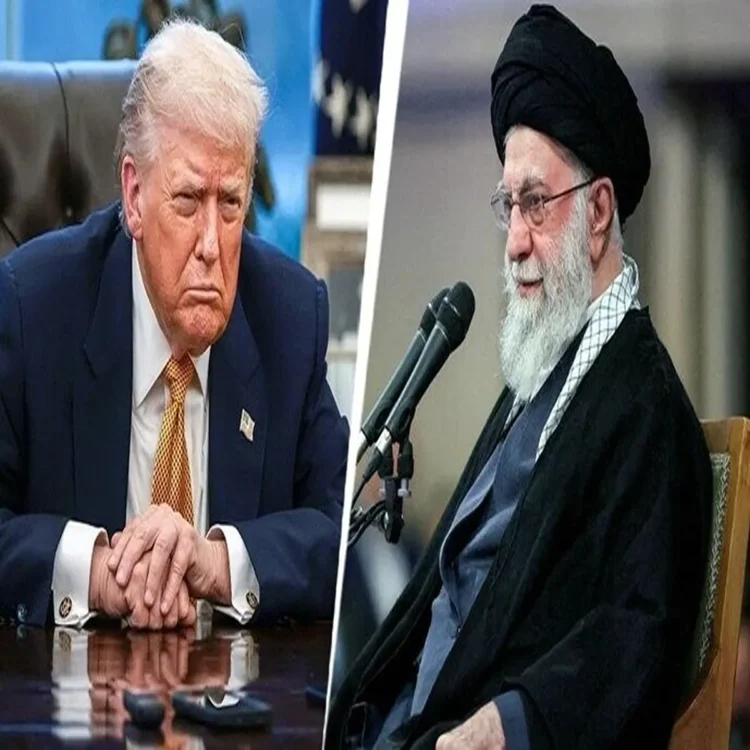
Leaders Back Agreement Through Virtual Signing
According to Baqaei, Iranian President Masoud Pezeshkian and US President Donald Trump formally endorsed a 14-point Memorandum of Understanding (MoU) through a virtual signing process. Iranian officials believe that direct approval by the highest-ranking leaders of both nations strengthens the commitment behind the document and increases the political consequences of any future violation.
The spokesperson explained that both governments agreed a virtual endorsement was the most practical option and removed the need for an additional ceremonial event. He noted that once an agreement receives the signatures of national leaders, it carries greater weight and accountability.
Framework Aims to Reduce Long-Standing Tensions
The memorandum is designed to create a pathway toward reducing tensions between Tehran and Washington after years of strained relations. Among its objectives are restoring stability around the Strait of Hormuz and launching a 60-day diplomatic process focused on resolving key disputes.
During this period, representatives from both countries are expected to engage in discussions concerning economic sanctions and Iran’s nuclear activities. The talks are intended to establish the foundation for a broader and more comprehensive agreement in the future.
Iran Maintains Position on Nuclear Materials
While expressing support for continued negotiations, Baqaei emphasized that Iran remains firm on certain issues. He stated that transferring enriched nuclear materials outside the country remains unacceptable from Tehran’s perspective.
The spokesperson also defended Iran’s international standing, arguing that the country has demonstrated resilience in the face of major global powers. He described Iran’s strength as a matter of national confidence rather than political rhetoric.
Comments on National Identity and Governance
During his remarks, Baqaei also addressed domestic issues related to national unity. He argued that attempts by opponents to separate Iran’s national identity from its governing system have failed to gain support among citizens.
According to him, many Iranians view the country’s political structure as closely linked to its national character and sovereignty. He suggested that efforts to create a distinction between the two are not widely accepted within the country.
Agreement Published in Two Official Languages
Iranian officials highlighted that the memorandum was prepared and signed in both Persian and English. Baqaei said this approach was taken to eliminate the possibility of differing interpretations arising from translation issues.
He noted that Iran insisted on having an official Persian version alongside the English text to ensure complete clarity. According to the Foreign Ministry, both versions carry equal validity and accurately reflect the same commitments and provisions.
Status of Planned Diplomatic Meeting Remains Unclear
Baqaei also addressed reports regarding a possible Iran-US meeting in Switzerland. He stated that the proposed session, previously expected to take place on Friday, has not yet been officially confirmed.
The spokesperson explained that discussions about the meeting were ongoing until recently, but priorities shifted after the decision for the two presidents to formally endorse the memorandum. As a result, further consideration is being given to the next stage of diplomatic engagement between the two countries.
The agreement is being viewed as an important step toward reopening dialogue on several sensitive issues, including sanctions, regional security, and Iran’s nuclear program. Observers will now closely watch the upcoming 60-day negotiation period to assess whether the memorandum can lead to a broader and lasting settlement.