
MethaneGas – Coal India Moves Closer to Large-Scale Gas Production in Jharia
MethaneGas – Coal India is preparing to enter a new phase of energy production as its first Coal Bed Methane (CBM) venture in the Jharia coalfield of Dhanbad approaches commercial operations. The project, which is progressing steadily, is expected to begin large-scale methane gas production within the next year. Along with creating a substantial new revenue stream, the initiative is expected to provide an alternative source of cleaner fuel for households, industries, and the fertiliser sector.
Project Advances Toward Commercial Production
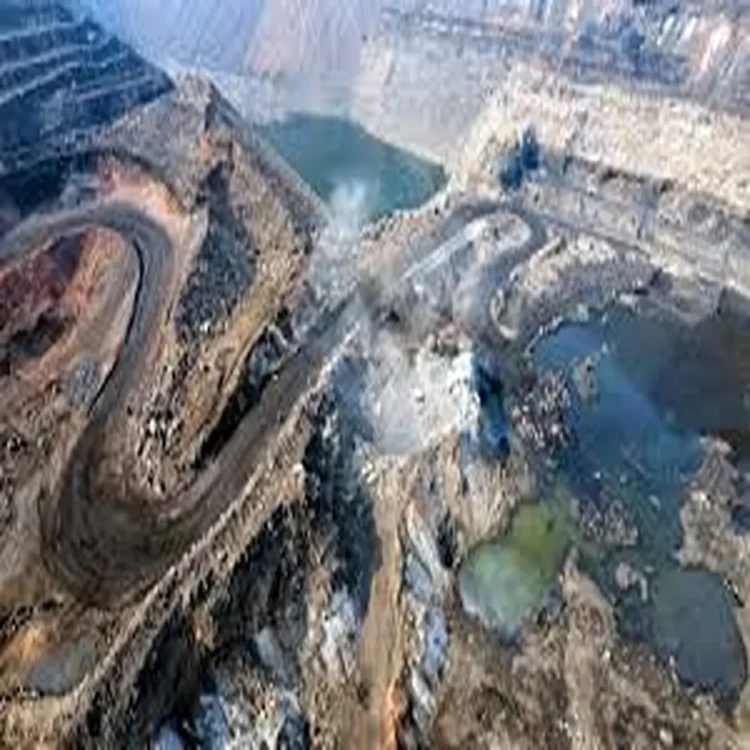
The methane extraction programme is being developed in the Munidih area of the Jharia coalfield, where significant reserves of gas have been identified beneath coal seams. Coal Bed Methane is a naturally occurring gas trapped within coal deposits over millions of years during the coal formation process. Due to its high energy value and cleaner-burning characteristics, it is widely considered a useful substitute for more carbon-intensive fuels.
According to Bharat Coking Coal Limited (BCCL) Chairman and Managing Director Manoj Agrawal, surveys and exploration activities have revealed methane reserves of nearly 25 billion cubic metres spread across approximately 33 square kilometres. As part of the development process, five boreholes and five testing wells have already been drilled. Gas extraction has commenced from two of these wells on a trial basis, while preparations for commercial pipeline infrastructure are underway.
Revenue Potential for Coal India
Officials expect the project to become a significant contributor to the company’s earnings once full-scale production begins. The development work is being carried out by Prabha Engineering and Construction. Estimates suggest that BCCL could receive annual revenue of around ₹124.5 crore from the operation.
In addition, the overall business generated through methane production and distribution is projected to reach nearly ₹1,424 crore annually. This would create an entirely new income source alongside the company’s traditional coal mining activities, strengthening its long-term business prospects.
Major Improvement in Mine Safety
One of the most important advantages of methane extraction is its potential impact on mining safety. Methane accumulation within underground coal seams has long been considered a major hazard in mining operations. Excess gas concentration can increase the risk of explosions and other accidents.
Company officials believe that systematically removing methane before mining activities begin will significantly lower these risks. By reducing gas pressure within coal seams, the project is expected to create safer working conditions for miners and help prevent incidents linked to underground gas build-up.
Environmental and Infrastructure Benefits
Apart from safety improvements, the initiative is expected to support environmental goals. Methane extracted through the CBM process can be used as a cleaner fuel compared with conventional coal-based energy sources. The gas generates lower carbon emissions and can contribute to a gradual transition toward cleaner energy consumption.
Another important feature of the project is its planned integration with the national gas distribution network. Once connected to the country’s gas grid, the extracted methane can be supplied to a wide range of consumers across different sectors.
Wide Industrial Applications Expected
Industry experts believe the project highlights India’s untapped potential in methane extraction. As one of the world’s leading coal-producing countries, India possesses substantial coal-bearing regions that may contain commercially viable methane reserves.
The extracted gas can be utilised for piped natural gas (PNG) supply to homes, compressed natural gas (CNG) for transportation, industrial fuel requirements, chemical manufacturing, fertiliser production, and several other commercial applications. Specialists also point out that expanding CBM production could help diversify India’s energy resources while supporting industrial growth.
Beyond its economic value, the Jharia project may also contribute to addressing some of the region’s long-standing challenges, including underground mine fires and land subsidence issues. As development progresses, the initiative is being viewed as an important step toward combining energy production, industrial growth, environmental responsibility, and enhanced mining safety.