
OilTransit – US Claims Expanded Security Role in Strait of Hormuz Amid Iran Tensions
OilTransit – The United States has asserted that it has played a significant role in safeguarding commercial shipping through the Strait of Hormuz, one of the world’s most strategically important maritime routes. Speaking at the headquarters of the US Central Command (CENTCOM) in Florida on Wednesday, US Defense Secretary Pete Hegseth outlined details of a long-running operation that he said has ensured the uninterrupted flow of oil shipments despite ongoing tensions with Iran.
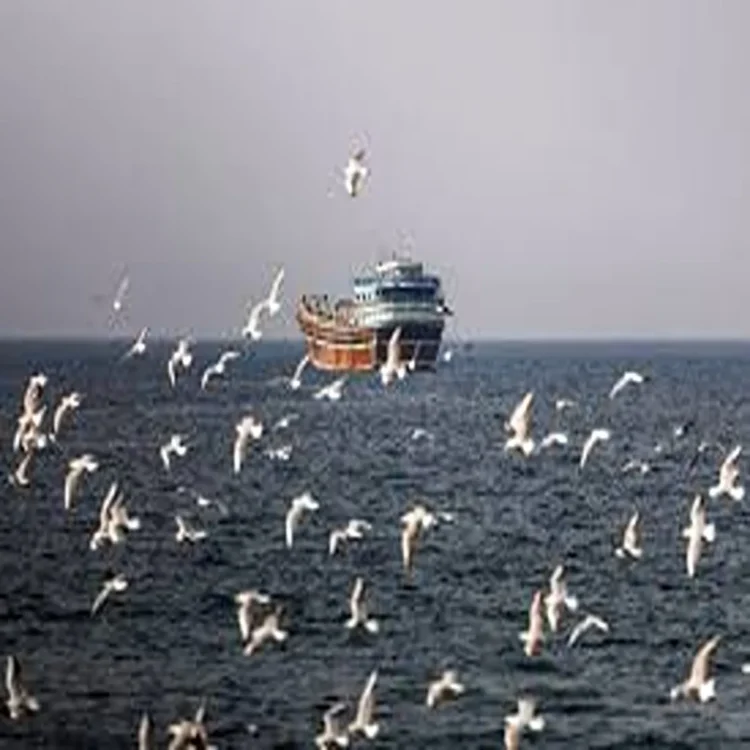
Protection of Critical Energy Routes
According to Hegseth, American forces have been quietly supporting the safe passage of commercial vessels through the narrow waterway, allowing more than 100 million barrels of oil to move through the region. He indicated that while some aspects of the mission have been publicly acknowledged, other operational details have remained largely undisclosed.
The Strait of Hormuz serves as a vital corridor for global energy supplies, linking oil-producing nations in the Gulf to international markets. Any disruption in the area can have significant consequences for global trade and energy prices.
Details of the Maritime Operation
Hegseth explained that the effort to maintain shipping activity in the region has continued without interruption. He said the operation was designed to keep commercial traffic moving while limiting Iran’s ability to interfere with maritime transport.
The defense secretary stated that oil shipments have continued under US protection and argued that the measures in place have prevented attempts to obstruct commercial navigation. He maintained that the mission has been effective in ensuring the smooth movement of vessels through the strategic passage.
Actions Against Iranian Oil Transport
Separately, CENTCOM reported additional enforcement measures connected to the broader US strategy in the region. The command announced that American forces had stopped another tanker suspected of transporting Iranian oil.
According to the military statement, the Palau-flagged vessel M/T Settebello was disabled after its crew allegedly failed to comply with repeated instructions while traveling through the Gulf of Oman. The incident is part of a wider campaign that began earlier this year.
CENTCOM officials said that since April, US forces have taken action against eight vessels described as non-compliant. In addition, 134 ships have reportedly been redirected, while 42 vessels carrying humanitarian assistance were allowed to continue their journeys.
Strategic Impact in the Gulf Region
Hegseth argued that recent military and maritime operations have strengthened the United States’ position in the Gulf. He suggested that maintaining control over commercial shipping routes has shifted the regional balance and reinforced Washington’s influence in the area.
The defense secretary also referenced broader military actions targeting Iranian capabilities. He pointed to operations involving Iran’s naval assets, air defenses and other military infrastructure, saying these efforts had reduced Tehran’s ability to project power across the region.
Ongoing Regional Significance
The Strait of Hormuz remains one of the most closely watched waterways in the world because of its importance to global energy markets. Developments involving shipping security, military operations and regional tensions continue to attract international attention.
As geopolitical competition in the Gulf persists, the movement of oil and commercial cargo through the strait is expected to remain a key focus for governments, energy markets and global shipping companies.