
Displacement – Global Forced Migration Figures Fall as More People Return Home
Displacement – For the first time in more than ten years, the number of people forced to leave their homes worldwide has declined, according to a new report released by the United Nations refugee agency. Despite the reduction, the agency cautioned that global displacement levels remain extremely high and many returnees are going back to fragile environments where safety and stability are still uncertain.
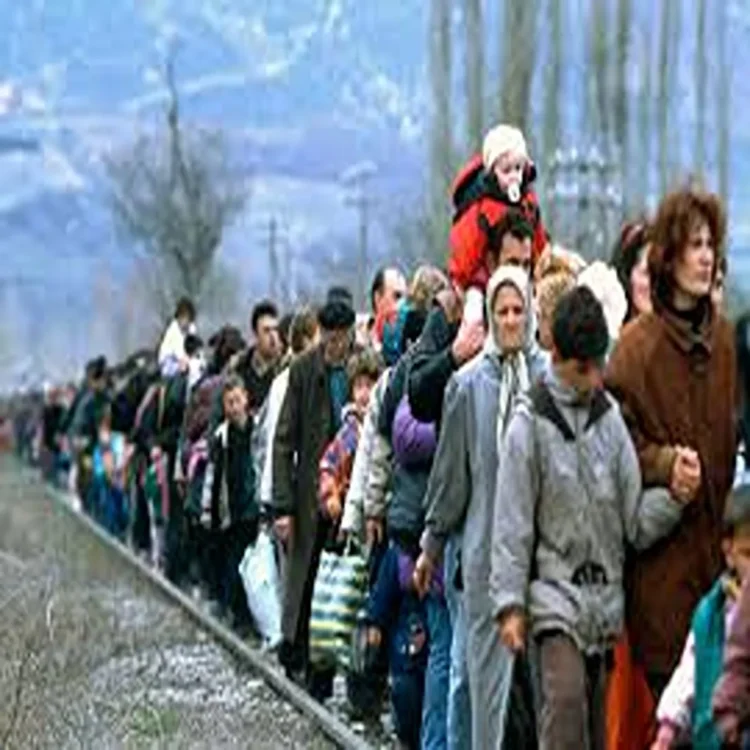
Rise in Returns Contributes to Decline
The report found that 117.8 million people were living in situations of forced displacement at the end of 2025. This represented a decrease of 5.4 million compared with the previous year. According to the UN refugee agency, the drop was largely driven by a significant increase in the number of refugees and internally displaced people who returned to their home regions.
During 2025, approximately 14.7 million displaced individuals went back to their places of origin. Among them were 4.4 million refugees who crossed international borders to return to their home countries. The agency noted that this was the second-highest annual total for refugee returns recorded in the past six decades.
Concerns Over Conditions Facing Returnees
While the increase in returns contributed to lower displacement figures, UN officials stressed that many of these movements occurred under difficult circumstances. Speaking in Geneva, UN refugee chief Barham Salih said the vast majority of refugee returns were concentrated in Afghanistan, Sudan and Syria.
He explained that many people returned despite ongoing insecurity, damaged infrastructure and limited access to basic services. Economic opportunities also remain scarce in several of these regions. The agency warned that returns carried out under pressure or without adequate support could lead to renewed displacement in the future.
Officials emphasized that sustainable solutions require safe and voluntary returns supported by stable living conditions and long-term recovery efforts.
Ongoing Conflicts Continue to Drive Migration
Despite the overall decline in displacement, conflict and violence continued to force millions from their homes during the year. The report recorded 41.6 million refugees globally by the end of 2025, including nearly 5.4 million people who became refugees after crossing international borders during the year.
A large share of new refugee movements originated from a small number of countries. Sudan accounted for nearly one million newly displaced refugees, while close to 800,000 people fled Ukraine.
The report also highlighted new humanitarian emergencies that emerged during the first months of 2026. According to the agency, the conflict involving the United States and Israel that expanded into Iran in February displaced around 3.2 million people within the country. In Lebanon, military operations and attacks since March have reportedly forced more than one million residents to leave their homes.
These developments have also affected refugee populations already living in the region, leading some individuals to return to countries such as Syria and Afghanistan despite ongoing challenges.
Growing Need for Resettlement Opportunities
The refugee agency expressed concern about shrinking opportunities for refugees seeking permanent resettlement in third countries. It estimated that 2.9 million refugees currently require resettlement support.
Although global resettlement places reached a four-decade high of 188,800 in 2024, the number dropped sharply in 2025. Only 81,800 resettlement places were made available during the year. The agency linked part of this decline to a significant reduction in admissions by the United States.
Officials warned that the gap between available resettlement opportunities and actual humanitarian needs continues to widen.
Long-Term Displacement Remains a Major Challenge
According to the report, prolonged displacement is becoming increasingly common. Around 70 percent of refugees now live in situations that last for many years, and in some cases decades.
To address this issue, the agency is promoting a new international initiative aimed at reducing long-term displacement over the next ten years. The plan focuses on expanding voluntary return programs, increasing refugee resettlement opportunities and providing additional humanitarian visa pathways.
UN officials believe that stronger international cooperation and investment in durable solutions can help millions of displaced people rebuild their lives while reducing dependence on emergency humanitarian assistance.