
MangoMarket – Sharp Fall in Mango Prices Brings Relief to Buyers, Worries Grow Among Farmers
MangoMarket – Consumers are enjoying lower mango prices this season, but growers across Nellore district are struggling with shrinking returns after facing weather-related losses and weak market demand.
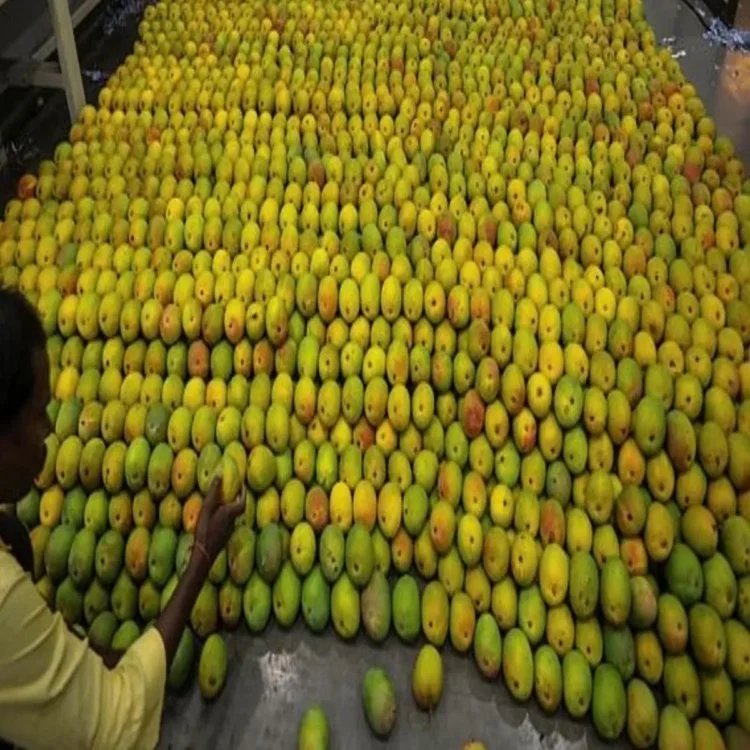
The mango season has taken an unexpected turn in parts of Andhra Pradesh, where a steep decline in prices has made the popular summer fruit more affordable than usual. While shoppers are taking advantage of the lower rates, many farmers say the current market situation has left them facing significant financial pressure.
At the beginning of the harvesting season, mangoes were being sold at rates as high as ₹150 per kilogram. However, prices have since fallen dramatically, with several markets now offering three to four kilograms of fruit for around ₹100. The sharp drop has increased consumer purchases but reduced earnings for cultivators who invested heavily in crop production.
Weather Damage Adds to Farmers’ Challenges
According to growers, unseasonal rainfall and strong winds caused extensive fruit loss in orchards during the crucial growing period. Large quantities of mangoes fell before reaching maturity, affecting both yield and quality. As a result, many farmers were forced to sell their remaining produce at low prices through intermediaries in order to avoid further losses.
Mango cultivation remains a major agricultural activity across Gudur, Podalakur, Vinjamur, Kavali, Sydapuram, Atmakur and Kaluvayi regions of Nellore district. Nearly 9,000 hectares of orchards in the district produce popular varieties including Banganapalli, Rasalu, Totapuri and Cheruku Rasalu.
Many cultivators say the current market rates are insufficient to cover their production expenses. Costs related to fertilisers, pesticides, labour and orchard maintenance have risen steadily, making profitability increasingly difficult when sale prices fall unexpectedly.
Export Activity Continues Despite Local Market Pressure
The mango harvesting period generally extends from late March until early July and often benefits from strong overseas demand. Export markets such as the United States, the United Kingdom, Australia and the United Arab Emirates continue to purchase premium-quality fruit from the region.
However, industry participants note that only carefully sorted and graded mangoes are being selected for export. A significant portion of the harvest remains within domestic markets, where abundant supply has contributed to lower prices and intense competition among sellers.
Early Harvesting Blamed for Oversupply
Several farmers believe that premature harvesting by some growers increased the volume of fruit entering markets within a short period. The arrival of mixed-quality produce, they argue, created an oversupply situation that weakened prices across trading centres.
Traders have observed a clear rise in consumer demand as mangoes became more affordable. Roadside vendors and local fruit stalls have reported strong sales, with households purchasing larger quantities than in previous years due to the reduced cost.
While consumers are benefiting from one of the cheapest mango seasons in recent years, growers remain concerned about their financial future. Agricultural groups have called for measures that could help farmers manage weather-related risks and improve price stability during harvest periods. For many orchard owners, the immediate challenge remains recovering at least a portion of their investment before the season concludes.