
Diplomacy – US-Iran Talks Stall as Asset Dispute Blocks Progress
Diplomacy – The latest round of diplomatic discussions between the United States and Iran has encountered a major setback, with disagreements over frozen Iranian assets preventing meaningful progress. According to reports, the central obstacle remains Tehran’s demand that part of its blocked financial reserves be released immediately during the opening phase of any future agreement.
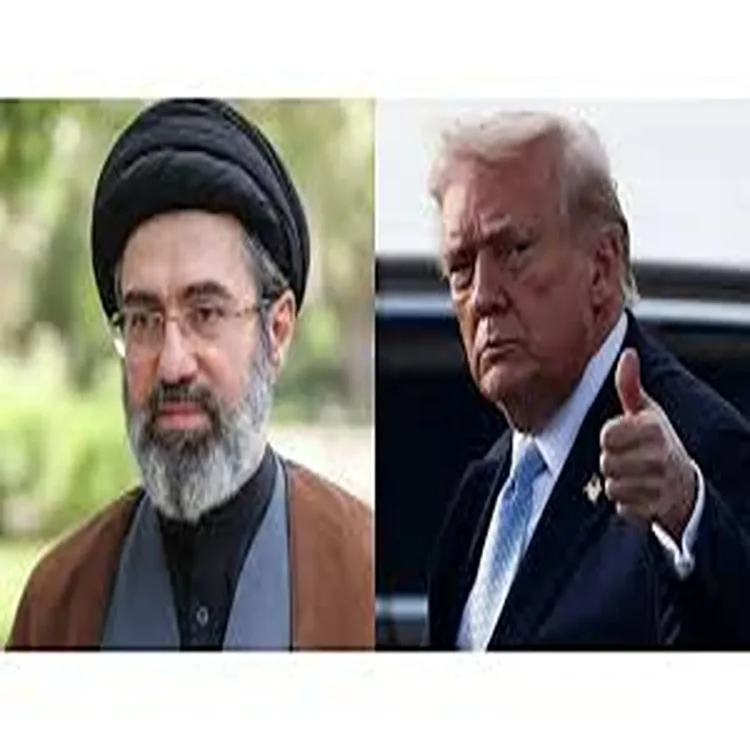
Frozen Funds Become Main Point of Disagreement
Sources familiar with the negotiations said international mediators have spent several days trying to bridge differences between both sides. Despite these efforts, Iranian representatives have continued to insist that access to a portion of the country’s frozen assets must be granted at the beginning of the proposed framework.
Washington has rejected that position, maintaining that financial concessions cannot be offered before Iran takes substantial actions related to its nuclear activities and regional maritime security concerns. As a result, discussions remain deadlocked, with neither side showing signs of softening its stance.
Trump Signals Optimism Despite Ongoing Challenges
Even as negotiations face significant hurdles, US President Donald Trump has publicly expressed confidence that diplomatic engagement is moving in a positive direction. Speaking at the White House, Trump said discussions with Tehran were proceeding well but acknowledged that a final agreement was far from guaranteed.
The president noted that a breakthrough could emerge quickly if both sides find common ground, although he stressed that uncertainty continues to surround the process. Trump also emphasized that developments involving Iran often remain unpredictable until a deal is formally concluded.
Uranium and Maritime Security Remain Key Issues
Among the most sensitive topics under discussion is Iran’s stockpile of enriched uranium. Trump stated that the United States wants to secure control of the material, arguing that only a limited number of countries possess the technical capability required to manage it safely.
The strategic Strait of Hormuz also remains at the center of negotiations. Trump expressed confidence that maritime traffic through the crucial shipping corridor would resume without delay if a memorandum of understanding were signed between Washington and Tehran. He indicated that preparations have already been made to support safe navigation in the region.
Airport Strike Raises Regional Tensions
While diplomatic talks continue, security concerns across the Gulf have intensified following a deadly incident at Kuwait International Airport. The attack resulted in one fatality and left dozens of people injured, marking the first deadly event in the Gulf region since the ceasefire announced on April 8.
India’s Ministry of External Affairs confirmed that the person who lost their life was an Indian national. The ministry condemned attacks on civilian infrastructure and renewed calls for restraint from all parties involved in the regional conflict.
Conflicting Claims Over Responsibility
Kuwaiti defense officials reported that numerous missiles and drones were launched during the attack, causing substantial damage to airport facilities and temporarily disrupting operations. Although airport services were later restored, the incident triggered widespread international concern.
Iran’s Islamic Revolutionary Guard Corps rejected accusations linking it to the strike. Iranian officials argued that the destruction may have resulted from a malfunction involving a US-made Patriot air defense system rather than a direct Iranian assault.
The denial came amid growing criticism from regional leaders, including former Qatari Prime Minister Sheikh Hamad bin Jassim bin Jaber Al Thani, who described attacks on Gulf nations as unacceptable and called for a coordinated regional response.
Military Claims and Counterclaims Continue
Iran has repeatedly stated that its military actions are retaliatory measures connected to alleged support provided by Gulf states for US operations targeting Iranian interests. Iranian authorities said their focus was limited to military facilities in Kuwait and Bahrain.
However, the US Central Command reported that defensive systems successfully intercepted or neutralized incoming missiles and drones. According to military officials, several projectiles either failed to reach their intended targets or were destroyed before causing damage.
Israel and Lebanon Make Progress on Ceasefire
Amid wider regional instability, diplomatic efforts produced a notable breakthrough elsewhere. Israel and Lebanon have reportedly reached an understanding regarding the implementation of a ceasefire following US-mediated discussions.
A joint statement indicated that the arrangement depends on a complete halt to Hezbollah attacks and the withdrawal of Hezbollah personnel from southern Lebanon. The development comes after recent warnings from Israel about the possibility of expanding military operations in the area.
The progress is being viewed as an important step toward reducing tensions in a region where multiple conflicts continue to intersect with broader diplomatic negotiations.