
SolarWaste – Rising Solar Disposal Challenges Add Pressure on Delhi-NCR
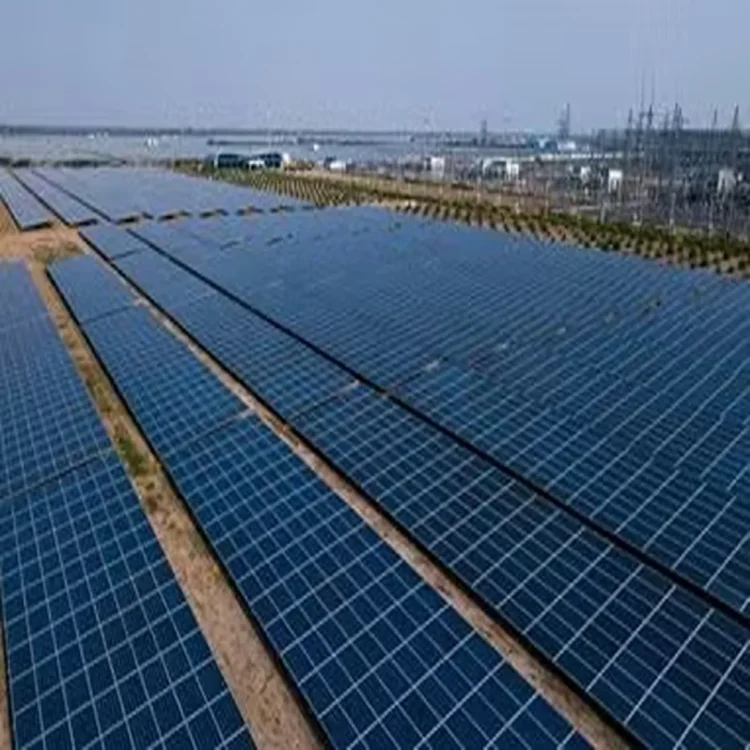
SolarWaste – India’s transition toward renewable energy has accelerated rapidly over the past decade, particularly in Gujarat and Tamil Nadu, where solar power projects have expanded on a large scale. However, the systems required to handle the growing volume of discarded solar equipment have not developed at the same pace. A recent study has highlighted that a substantial amount of solar-related waste from these states is being transported to the Delhi-NCR region, adding to the area’s existing environmental burden.
Report Highlights Growing Waste Flow
A joint study conducted by Chintan Environmental Research and Action Group and the World Resources Institute has revealed that informal waste collection networks are channeling discarded solar panels, photovoltaic components, lithium-ion batteries, and other electronic waste into Delhi-NCR. The region is already grappling with significant waste management challenges, with concerns over groundwater contamination, deteriorating air quality, and pressure on landfill capacity.
Researchers gathered information through discussions with waste aggregators operating in Gujarat and Tamil Nadu. Their findings were further supported by inputs from non-profit organizations, recyclers, researchers, and start-ups working in the waste management sector. According to the report, there is currently no comprehensive tracking system capable of determining how much solar waste ultimately reaches informal recycling units in northern India.
Informal Recycling Practices Raise Concerns
The study points out that in Tamil Nadu, certain materials considered economically unviable for formal recycling are often transferred onward through waste networks. Items such as photovoltaic cells, aluminum frames, and hazardous scraps eventually find their way to Delhi-NCR, which hosts thousands of e-waste processing units and provides employment to tens of thousands of workers.
Due to limited recycling capacity and a shortage of advanced processing technologies, a significant portion of solar waste ends up being discarded in landfill sites. Experts warn that this practice results in the loss of recoverable materials and increases environmental risks.
Valuable Materials Often Go Unrecovered
The report, titled “More Watts Less Waste,” explains that informal recycling operations largely depend on basic dismantling methods. Components such as aluminum frames, copper wiring, and junction boxes are manually separated and sold for scrap value. However, materials embedded within solar panels—including glass, silicon cells, polymer layers, and trace metals—are frequently left unrecovered.
In many cases, solar modules are broken apart or crushed, creating mixed waste streams containing glass fragments, polymers, and silicon residues. These materials are commonly disposed of alongside general waste or sent directly to landfill sites, reducing opportunities for resource recovery.
Clean Energy Expansion Creates New Challenges
Researchers say the findings expose a significant weakness in India’s clean energy journey. While investments in renewable energy generation and electric mobility continue to increase, systems for handling end-of-life solar panels and batteries remain insufficient.
Improper processing of solar equipment can release potentially harmful substances into the surrounding environment. The report notes that workers involved in informal dismantling activities, along with nearby communities, may face exposure to environmental and health hazards if safety measures are not strengthened.
Future Waste Volumes Expected to Rise Sharply
According to estimates cited in the study, India had generated approximately 146 kilotonnes of solar photovoltaic waste by the end of 2024. The volume is projected to rise dramatically over the coming decades, potentially reaching 11,221 kilotonnes by 2047 as more solar installations reach the end of their operational life.
The report also draws attention to the growing challenge posed by lithium-ion batteries. While batteries from consumer electronics are already entering informal recycling channels, the rapid expansion of the electric vehicle sector is expected to generate a much larger stream of retired batteries in the years ahead.
Recommendations for Policymakers
To address these concerns, the study recommends the introduction of clear Extended Producer Responsibility targets for solar photovoltaic systems. It also calls for dedicated recycling facilities, financial support mechanisms for abandoned waste, and stronger integration of informal workers into formal waste collection networks.
In addition, policymakers are urged to prepare for the expected increase in end-of-life electric vehicle batteries by establishing safe collection, recycling, and disposal systems before waste volumes become unmanageable.