
Heatwave – Delhi Faces Growing Heat Stress as Vulnerable Areas Expand
Heatwave – Delhi is witnessing a sustained rise in heat-related challenges, with a large portion of the city experiencing repeated exposure to extreme temperatures over the past decade. A recent study released by the Centre for Science and Environment (CSE) highlights the increasing spread of heat-stressed zones across the national capital and raises concerns about the impact on residents, workers, and public infrastructure.
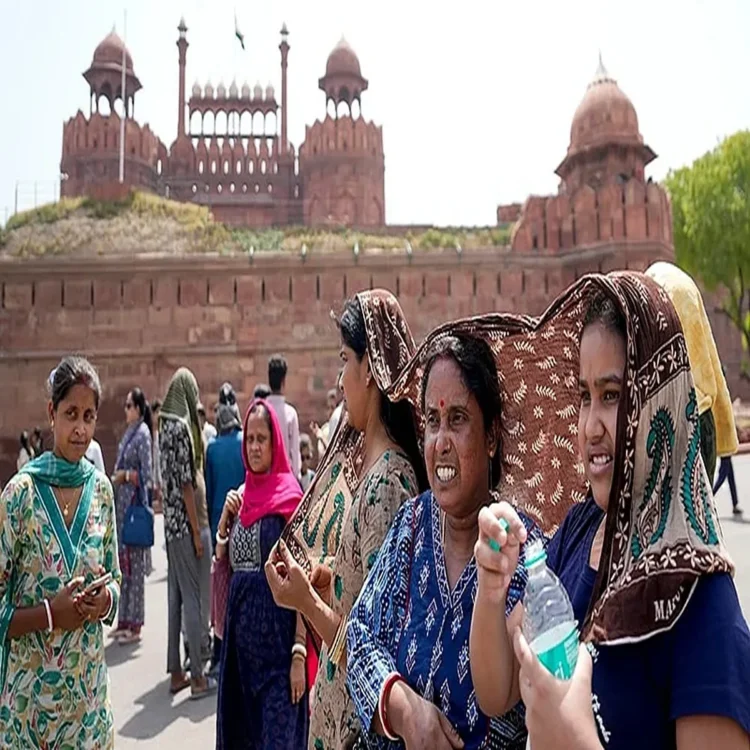
Heat Stress Affecting Most Parts of the Capital
According to the report, nearly 76 percent of Delhi’s geographical area remained under heat stress for six years or more between 2015 and 2024. The findings further reveal that almost the entire city experienced heat stress at least once during the ten-year period. Researchers noted that recurring high land surface temperatures have become a defining environmental challenge for Delhi.
Construction activities appear particularly vulnerable. The study found that a significant majority of construction sites are located in areas where temperatures crossed 45 degrees Celsius at least once during the decade. A large share of these projects also falls within regions repeatedly exposed to severe heat conditions.
Schools, Markets and Informal Settlements Under Pressure
The assessment shows that heat exposure extends beyond construction zones. Most of Delhi’s mapped marketplaces, including major wholesale trading hubs, are situated in locations that frequently record extreme heat levels. Informal settlements housing more than one million residents are similarly concentrated in heat-affected neighborhoods.
Educational institutions are also impacted. Around four out of every five schools mapped during the study were found to be operating in areas classified as heat-stressed, raising concerns about student safety and learning conditions during peak summer months.
Several Wards Identified as Highly Vulnerable
Researchers identified dozens of municipal wards with elevated vulnerability to heat-related risks. Areas such as Matiala, Kakraula, Narela and Chandni Chowk were listed among locations facing particularly high levels of cumulative heat exposure.
Out of Delhi’s 272 wards, more than half have over three-quarters of their land area repeatedly affected by heat stress. In several wards, over 90 percent of the area falls within recurring heat zones, while a small number are reported to be entirely exposed.
Rising Temperatures Creating a New Climate Reality
The report warns that Delhi is gradually entering a warmer climate pattern. Recent years have seen both daytime and nighttime temperatures move upward. The city’s ability to cool after sunset has weakened noticeably, increasing discomfort for residents and extending heat exposure well beyond daylight hours.
Officials recorded 25 heat-related deaths in 2024, although independent estimates suggested the actual figure may have been considerably higher. The study also notes that perceived temperatures in some areas reached extremely dangerous levels during 2025.
Industrial and Residential Hotspots Emerging
Several neighborhoods and industrial clusters have been identified as persistent heat hotspots. Areas including Bawana, Mundka, Mayapuri, Anand Parbat and Mongolpuri recorded especially intense surface temperatures.
The research additionally found that some recently developed urban projects are already experiencing significant heat stress. Certain residential districts and commercial developments registered land surface temperatures ranging between 44°C and 50°C during summer periods.
Shrinking Green Cover Raises Concern
One of the report’s major findings is the decline in Delhi’s green and water-covered areas. Over the past decade, vegetation cover has reduced substantially, while water bodies have also occupied a smaller share of the city’s landscape.
Researchers emphasized that even many existing parks, lakes and green spaces are now experiencing heat stress, indicating that simply preserving such areas may not be enough. Improving their quality and expanding their reach will be essential for long-term climate resilience.
Cooler Areas Offer Important Lessons
Not all parts of the city are equally affected. Locations such as Lutyens’ Delhi, Civil Lines and Delhi Cantonment have remained comparatively cooler due to dense tree cover and shaded environments. The Yamuna River corridor also continues to provide a moderating influence on surrounding temperatures.
Call for Stronger Heat Resilience Measures
The report recommends targeted action to protect vulnerable groups, including children, senior citizens, women, street vendors, construction workers, homeless individuals and residents of informal settlements. Suggested measures include energy-efficient roofing, public cooling facilities, climate-sensitive urban planning and a significant expansion of green infrastructure across Delhi.