
WelfareSchemes – Twelve Years of Welfare Expansion Reshape Daily Life Across India
WelfareSchemes – India’s development trajectory over the last twelve years has been marked by a stronger emphasis on welfare delivery, financial inclusion, healthcare access, and technology-driven governance. Under the leadership of Prime Minister Narendra Modi, several initiatives have been introduced with the stated objective of ensuring that government support reaches citizens directly, particularly farmers, economically weaker sections, and middle-income households.
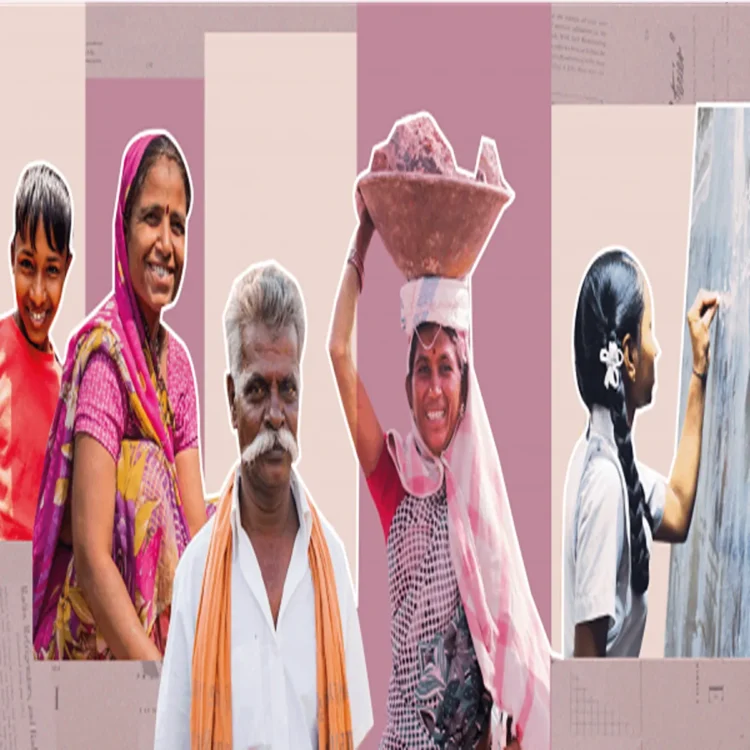
As these programmes have expanded, their effects are becoming increasingly visible in both rural and urban regions. Direct benefit transfers, digital platforms, social welfare schemes, and infrastructure improvements have contributed to changing how people access public services and government assistance.
Agriculture Support Reaches Millions of Farmers
The agriculture sector has witnessed significant policy attention through programmes aimed at supporting farm incomes and reducing financial vulnerability. The Pradhan Mantri Kisan Samman Nidhi (PM-KISAN) scheme has emerged as one of the largest direct income support initiatives for farmers. More than 11 crore beneficiaries have received financial assistance, with transfers exceeding ₹3.7 lakh crore credited directly to bank accounts.
The scheme has provided additional support for expenses linked to cultivation, including seeds, fertilizers, irrigation, and other agricultural requirements. By using direct transfers, the programme has sought to reduce delays and improve transparency in benefit distribution.
Crop Insurance and Sustainable Farming Initiatives
In addition to financial assistance, efforts have been made to strengthen protection against agricultural risks. Through the Pradhan Mantri Fasal Bima Yojana, farmers have received insurance coverage against crop losses caused by adverse weather conditions and other challenges. According to official figures, more than 78 crore farmer applications have been covered under the programme, while compensation exceeding ₹1.83 lakh crore has been distributed.
The government has also promoted environmentally sustainable farming methods through the National Mission on Natural Farming. More than 18,000 farming clusters have been established nationwide, and over 20 lakh farmers have enrolled in the initiative. Agricultural practitioners associated with the programme report growing awareness of low-cost farming practices, supported by trained Krishi Sakhis who encourage the use of organic inputs and eco-friendly cultivation techniques.
Expansion of Healthcare Access Across Regions
Healthcare delivery has undergone considerable expansion during the past decade. The Ayushman Bharat programme has played a major role in extending medical coverage to eligible families by offering treatment benefits of up to ₹5 lakh. Reports indicate that more than 11 crore people have benefited from the scheme.
Access to affordable medicines has also improved through a network of over 16,000 Jan Aushadhi Kendras operating across the country. These centres provide lower-cost medicines, helping reduce healthcare expenses for many families.
At the same time, the establishment of new AIIMS institutions and medical colleges has strengthened healthcare infrastructure in several regions. Facilities such as the Government Medical College in Anantnag, Jammu and Kashmir, have seen improvements in infrastructure and services, allowing residents to access treatment closer to home.
Welfare Programmes Focus on Living Standards
Food security and housing assistance have remained central components of welfare outreach. More than 80 crore individuals continue to receive free food grains under government-supported programmes designed to support vulnerable households.
Housing initiatives have also contributed to improving living conditions. Official data indicates that over 4 crore families have received permanent homes under government housing schemes. Additionally, the Ujjwala Yojana has provided LPG connections to more than 10 crore women, encouraging a transition away from traditional cooking fuels and supporting cleaner household energy use.
Digital Transformation Benefits the Middle Class
India’s middle-income population has experienced notable changes through tax reforms and rapid digital adoption. Under the revised tax framework, salaried taxpayers have received relief on income up to ₹12 lakh, offering additional financial flexibility for many households.
Digital connectivity has expanded substantially, supported by lower internet costs and wider access to mobile services. The growth of Digital India initiatives and Unified Payments Interface (UPI) platforms has transformed payment systems across the country. From neighbourhood vendors to large retail establishments, digital transactions have become a routine part of everyday commerce.
India now records approximately 14 to 15 billion digital transactions each month, reflecting the widespread acceptance of cashless payment systems and growing confidence in digital financial services.
Focus Shifts Toward Direct Citizen Benefits
The combined impact of these programmes can be seen across different sections of society, including farmers, patients, entrepreneurs, women, and middle-class families. Analysts note that alongside infrastructure development, increasing attention is being given to ensuring that public welfare measures directly improve the quality of life for citizens.
As welfare delivery systems become more technology-driven and accessible, the broader objective remains focused on extending the benefits of development to communities across the country.