
Diplomacy – Israel and Hezbollah Exchange Fire Despite Ceasefire Efforts
Diplomacy – Fighting between Israel and Hezbollah continued overnight even as diplomatic efforts intensified to reduce tensions ahead of scheduled talks between Israeli and Lebanese representatives hosted by the United States.
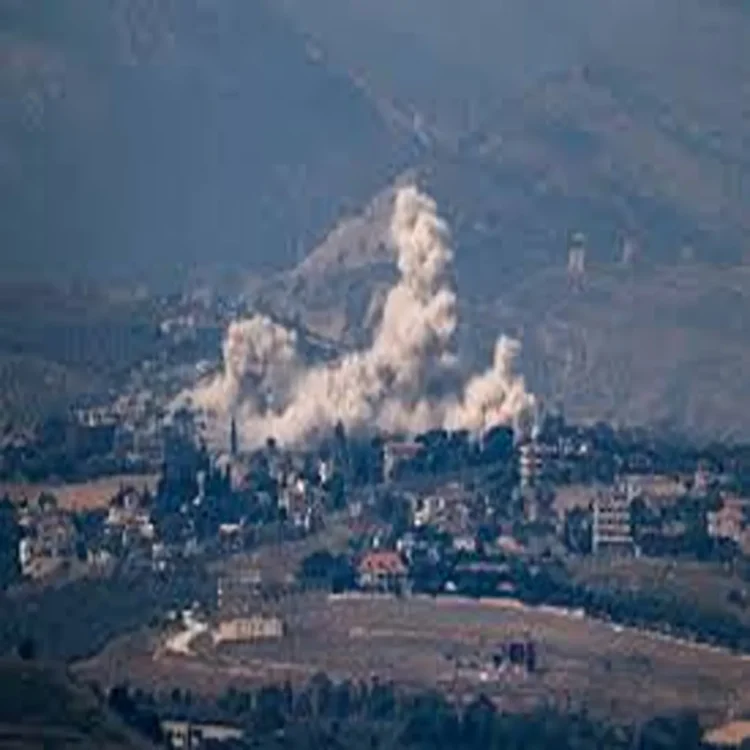
The renewed violence came shortly after US President Donald Trump announced that both sides had agreed to move toward a halt in hostilities. However, military activity on the ground suggested that the fragile understanding had yet to take full effect.
Ceasefire Proposal Faces Immediate Challenges
Lebanese officials said that Hezbollah, which is backed by Iran, had accepted a US-backed proposal aimed at achieving a mutual suspension of attacks. According to information shared by Lebanon’s embassy in Washington, the arrangement called for Israel to stop strikes on Beirut’s southern suburbs, while Hezbollah would refrain from launching attacks into Israeli territory.
Despite these diplomatic developments, signs of skepticism emerged from both sides. Israeli Prime Minister Benjamin Netanyahu stated that Israel would continue targeting Hezbollah positions if attacks against Israeli communities persisted. His comments raised questions about the durability of any potential ceasefire.
Trump Pushes for De-Escalation
President Trump described his conversations with regional leaders as productive and expressed optimism that the violence could be brought to an end. He stated that Israeli forces heading toward Beirut had been turned back and indicated that communication channels with Hezbollah representatives had produced commitments to stop attacks.
The US administration has been working to prevent the conflict from expanding further, particularly as negotiations involving broader regional security concerns continue. Trump publicly voiced hope that the fighting would cease permanently and allow diplomatic efforts to move forward.
Clashes Continue Across Southern Lebanon
Despite ceasefire discussions, Hezbollah reported carrying out several operations against Israeli military targets in southern Lebanon. The group claimed responsibility for attacks in multiple locations and said it had targeted an Israeli tank near the border area of Hadatha during ongoing confrontations.
Meanwhile, Lebanon’s National News Agency reported Israeli airstrikes in several southern communities, including Marwaniyeh, Sidiqine, Yater and Mansouri. Residents also reported hearing powerful explosions in the town of Debbine.
The Israeli military confirmed that it intercepted two projectiles launched from Lebanon early Tuesday and said no casualties were reported.
Civilian Toll Remains Severe
The continued conflict has had a significant impact on civilians living near the border. In the village of Qlayaa, local priest Father Antonios Farah told AFP that an Israeli strike on a vehicle killed a father and his two children as they were returning from university examinations in Beirut.
According to Lebanon’s health ministry, at least 3,433 people have been killed in Israeli attacks since the latest phase of the conflict began on March 2.
Israel’s military also reported additional losses among its forces, stating that two soldiers were killed in southern Lebanon. The latest deaths brought the total number of Israeli military fatalities in the conflict since March to 27.
International Concern Over Escalation
The United Nations called on all parties to respect efforts aimed at ending hostilities. UN Secretary-General Antonio Guterres, through spokesperson Stephane Dujarric, urged restraint and adherence to ceasefire commitments.
A report submitted to the UN Security Council indicated that maintaining international peacekeeping forces in Lebanon may remain necessary beyond the expiration of the current mission later this year.
Residents Continue to Flee Conflict Zones
Israeli evacuation warnings issued for parts of southern Beirut prompted many families to leave the area. Witnesses reported increased movement from neighborhoods considered Hezbollah strongholds.
Among those affected was 24-year-old resident Hadi, who said he initially hoped the ceasefire discussions would bring stability. However, reports of renewed military activity led many residents to leave their homes amid growing uncertainty.
Although a truce officially came into effect on April 17, both Israel and Hezbollah have repeatedly accused one another of violating its terms. As a result, efforts to establish a lasting cessation of hostilities continue to face major obstacles.