
Diplomacy – Trump Presses Netanyahu Amid Tensions Over Lebanon Strategy
Diplomacy – A sharp exchange between US President Donald Trump and Israeli Prime Minister Benjamin Netanyahu reportedly unfolded during a phone conversation on Monday, highlighting growing disagreements between Washington and Tel Aviv over recent military developments in Lebanon.
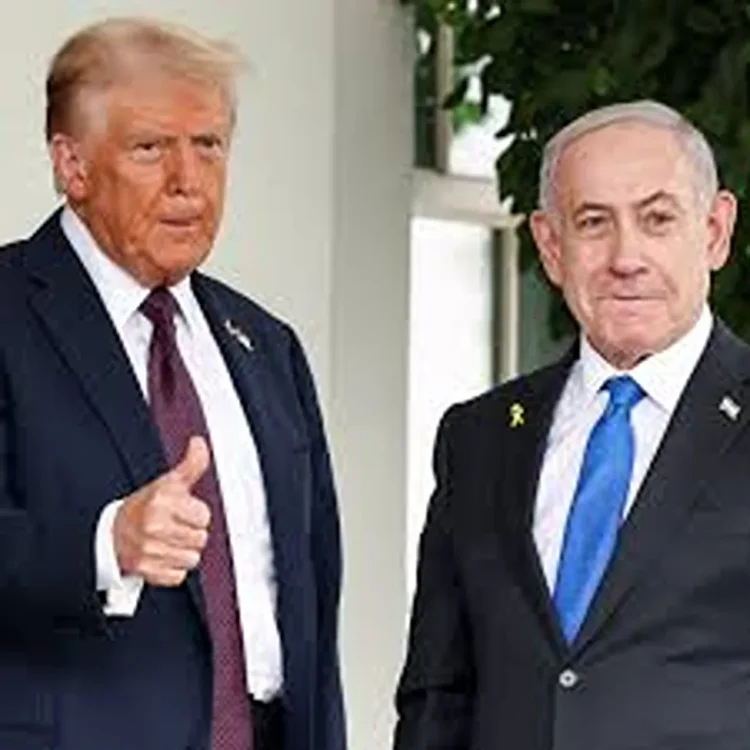
According to a report by Axios, Trump voiced strong dissatisfaction with Israel’s handling of the situation, particularly following concerns that escalating military operations could further complicate diplomatic efforts across the region. The discussion reportedly became heated as the US administration sought to prevent broader instability in the Middle East.
Concerns Over Regional Escalation
The reported disagreement came after Iran signaled earlier in the day that continued military activity in Lebanon could jeopardize ongoing diplomatic engagement with the United States. The warning added pressure to an already sensitive regional environment, where several international stakeholders have been attempting to avoid a wider conflict.
Sources cited in the report indicated that Trump was frustrated by what he viewed as an excessive response to attacks carried out by Hezbollah against Israel. The US President reportedly questioned whether certain military actions were proportional to the security threats being addressed.
Dispute Over Military Operations
Officials familiar with the matter told Axios that Trump objected to operations that resulted in significant damage to infrastructure while targeting individual Hezbollah figures. Concerns were also reportedly raised about increasingly forceful rhetoric directed toward Lebanon’s capital, Beirut.
One source familiar with the discussion suggested that Trump warned Netanyahu about the growing international criticism directed at Israel’s military campaign. The source said the President expressed concern that global perceptions of Israel were being negatively affected by recent events.
Netanyahu Maintains Israel’s Position
Despite the tense conversation, Netanyahu’s office later released a statement indicating that Israel’s stance had not changed. The statement suggested that the country’s security policies would continue to be guided by its existing strategic considerations.
However, individuals briefed on the call described the exchange as unusually forceful. One US official reportedly characterized Trump’s approach as highly assertive, suggesting that the Israeli leader faced significant pressure during the discussion.
Axios also cited an official who claimed Netanyahu ultimately acknowledged Trump’s concerns during the call and indicated a willingness to address the issues raised by Washington.
One of the Most Difficult Exchanges
Another administration official reportedly described the conversation as one of the most challenging interactions between Trump and Netanyahu since the beginning of Trump’s second term in office. The remarks underscore the strains that can emerge even between close allies when regional security calculations differ.
The reported disagreement reflects broader concerns within the US administration regarding the potential consequences of expanded military operations and the impact such actions could have on diplomatic initiatives involving multiple countries in the region.
Trump Signals Immediate Impact
Following the conversation, Trump publicly addressed the matter through posts on Truth Social. The President stated that Netanyahu had agreed to alter military plans after receiving a direct request from Washington to avoid launching a major operation in Beirut.
Trump indicated that Israeli forces had adjusted their course following the discussion, presenting the move as a step toward preventing further escalation.
Iran Talks Continue
Despite the tensions surrounding Lebanon, the White House appears determined to keep diplomatic channels open with Tehran. In a separate social media post, Trump said discussions with Iran were progressing quickly, signaling that negotiations remain an important component of the administration’s broader Middle East strategy.
The developments illustrate the delicate balance facing policymakers as they attempt to address security concerns while preserving opportunities for diplomacy. With regional tensions still high, both military decisions and diplomatic negotiations are expected to remain under close international scrutiny in the coming weeks.