
BorderTalks – India and China Push Forward Diplomatic Engagement on Border Stability
BorderTalks – India and China have held another round of high-level discussions focused on maintaining stability along the Line of Actual Control (LAC) in eastern Ladakh, with both countries describing the engagement as constructive and future-oriented. The talks took place in Beijing under the framework of the Working Mechanism for Consultation and Coordination (WMCC), a platform designed to address border-related matters between the two neighbors.
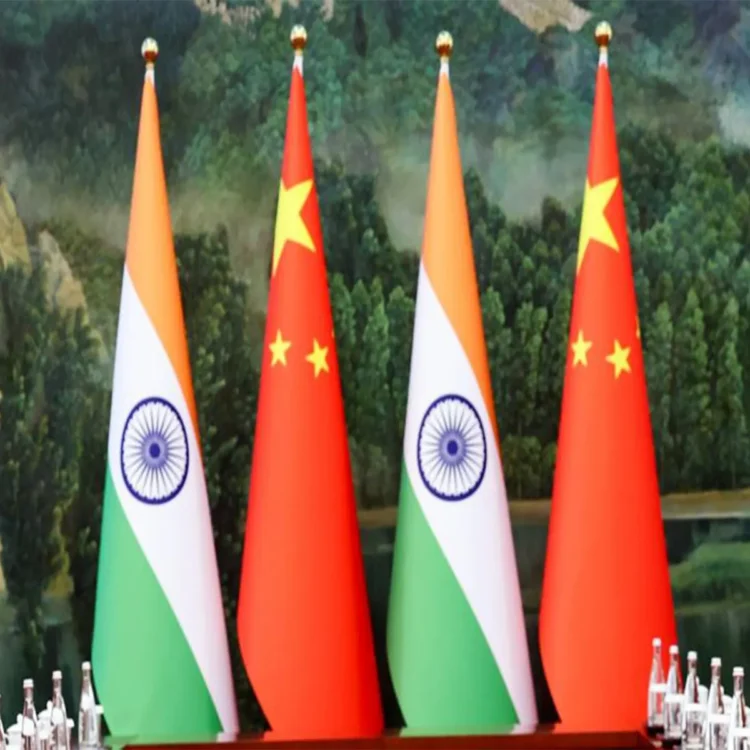
Focus on Maintaining Stability Along the LAC
According to India’s Ministry of External Affairs (MEA), officials from both sides reviewed the current situation in border regions and acknowledged recent progress in preserving peace in sensitive sectors. The ministry noted that continued calm along the frontier had helped create conditions for improving broader bilateral ties between New Delhi and Beijing.
The meeting reflected ongoing diplomatic efforts to stabilise relations after several years of military and political tensions linked to eastern Ladakh. Officials from the two countries reportedly agreed that maintaining communication and reducing friction remained essential for restoring trust.
Preparations for Next Round of Special Representative Talks
During the discussions, India and China also agreed to intensify preparations for the next meeting of the Special Representatives mechanism, which is expected to take place in China. The Special Representatives dialogue remains one of the highest-level diplomatic channels dealing with the long-standing boundary dispute.
The MEA stated that the talks covered multiple subjects connected to border affairs, including delimitation issues, border management systems, institutional coordination and cooperation in areas located near the frontier.
Indian representatives additionally highlighted the importance of convening the next meeting of the expert-level mechanism on trans-border rivers at an early date. Water-sharing and river-related discussions have increasingly become an important component of bilateral engagement between the two countries.
Diplomatic and Military Communication to Continue
Both nations agreed to continue regular diplomatic and military-level communication through existing mechanisms established after previous rounds of negotiations. The aim is to ensure that misunderstandings are avoided and that dialogue remains active at multiple levels.
The Indian delegation at the WMCC meeting was led by Sujit Ghosh, Joint Secretary handling East Asia affairs in the Ministry of External Affairs. The Chinese side was headed by Hou Yanqi, Director General of the Boundary and Oceanic Affairs Department of China’s foreign ministry.
Apart from the formal meeting, Ghosh also met Liu Jinsong, who heads the Department of Asian Affairs in the Chinese foreign ministry. He later held a courtesy meeting with Chinese Assistant Foreign Minister Hong Lei as part of the diplomatic engagement in Beijing.
Relations Continue to Recover After 2020 Standoff
The latest discussions come as India and China continue efforts to improve ties damaged by the 2020 Galwan Valley clashes and the prolonged military confrontation in eastern Ladakh. The violent confrontation had triggered one of the most serious crises in bilateral relations in decades and led to an extended deployment of troops by both countries along the border.
Over the past few years, military commanders and diplomats from both sides have conducted several rounds of negotiations aimed at reducing tensions. These talks resulted in troop disengagement from multiple friction areas along the LAC.
A significant development came in October 2024 when India and China finalised disengagement arrangements for Depsang and Demchok, two remaining friction points in eastern Ladakh. The agreement was viewed as an important step toward reducing military tensions in the region.
Leadership-Level Engagements Signal Improved Ties
Diplomatic momentum also increased after Prime Minister Narendra Modi and Chinese President Xi Jinping met in Kazan, where both leaders discussed measures to improve bilateral cooperation and restore communication channels.
Later, during interactions on the sidelines of the Shanghai Cooperation Organisation summit in Tianjin, Prime Minister Modi reiterated India’s commitment to moving relations forward on the basis of mutual trust, mutual respect and sensitivity to each other’s concerns.
Observers believe the continued diplomatic engagement between the two Asian powers indicates a shared interest in preventing further escalation and gradually rebuilding stability in bilateral relations after years of strained ties.