
Agrochemicals – Rising Input Costs and Weak Monsoon Outlook Pressure Sector
Agrochemicals – India’s agrochemical industry may face a difficult second quarter in FY27 as higher raw material prices and uncertainty surrounding the upcoming monsoon season begin to affect demand across key agricultural regions. A recent report by 360 ONE Capital pointed to growing pressure on pesticide manufacturers during the crucial Kharif sowing period, when farm activity typically drives strong sales.
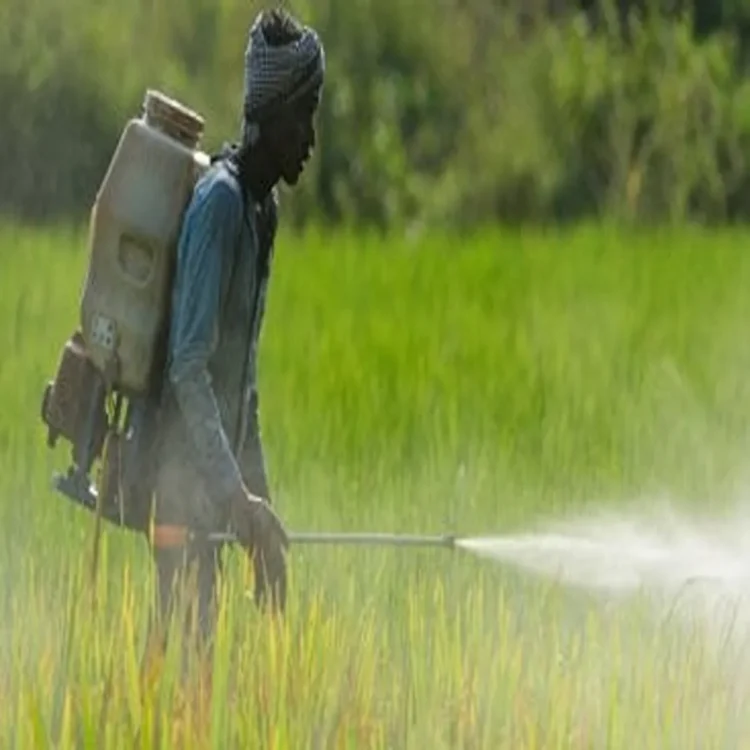
Monsoon Concerns Add Pressure on Farm Demand
According to the report, fears linked to a possible El Nino weather pattern are increasing globally and could reduce pesticide consumption in several agricultural markets. India remains particularly vulnerable because weak or irregular rainfall often lowers crop acreage and limits pesticide usage during the Kharif season.
Several domestic agrochemical companies have already indicated that the cost of key raw materials has moved higher in recent months. Industry executives also noted continued product price revisions following the fourth-quarter FY26 earnings discussions, suggesting that inflationary pressure is likely to remain a challenge for the sector in the near term.
Chinese Production Growth Impacts Global Supply
The report also highlighted major supply developments from China, one of the world’s largest producers of agrochemical products. Chinese pesticide output recorded strong growth in April, rising 23 percent compared with the same period last year and 4 percent from the previous month. Among the monitored chemical categories, pesticides were the only segment to register month-on-month production growth.
Chinese manufacturers had already increased prices for several important molecules earlier this year due to rising input costs. However, production volumes continue to remain strong despite the implementation of China’s “One Certificate One Label” regulation that came into effect from January 2026.
The January-to-April production data showed that Chinese pesticide manufacturing expanded by 11 percent year-on-year, reflecting steady global availability of generic agrochemical products.
Broader Chemical Industry Shows Slower Momentum
While pesticide production remained resilient, the broader chemical sector witnessed signs of slowing activity. The report observed that output declined sequentially across most major chemical categories during April.
Soda ash production, in particular, recorded weaker numbers as demand softened in several end-user industries. Production declined 5 percent on a yearly basis and 3 percent compared with the previous month. Lower consumption from China’s real estate-linked flat glass segment and easing vehicle sales contributed to subdued demand conditions.
As a result, soda ash prices in China have largely remained stable within the range of USD 150 to USD 160 per metric tonne. Analysts expect prices to remain within this band over the coming months unless a significant improvement in industrial demand emerges.
Industrial Chemical Output Records Mixed Trend
Other key industrial chemicals also showed uneven performance during April. Caustic soda production continued to post annual growth of 9 percent, although output slipped 2 percent from March levels. Synthetic fibre production weakened further, falling 5 percent year-on-year and 11 percent month-on-month.
In contrast, phosphate ore production remained relatively stable and increased 9 percent from a year earlier. This trend indicates sufficient availability of raw material supplies for fertiliser manufacturers operating downstream.
Despite monthly weakness across several segments, cumulative production between January and April continued to remain higher than last year for most chemical products. Synthetic rubber was the only major category that failed to show overall annual growth during the period.
Industry analysts believe that weather developments and raw material pricing trends will remain the key factors shaping the outlook for agrochemical and chemical companies in the coming quarters. The performance of the monsoon season is expected to play a particularly important role in determining rural demand and overall sector recovery.