
Diplomacy – Quad Nations Push Strategic Cooperation Beyond Policy Discussions
Diplomacy – The Quad grouping signaled a stronger focus on practical collaboration during the foreign ministers’ meeting in New Delhi, with United States Secretary of State Marco Rubio stating that the alliance is steadily transforming from a platform for dialogue into one driven by coordinated action.
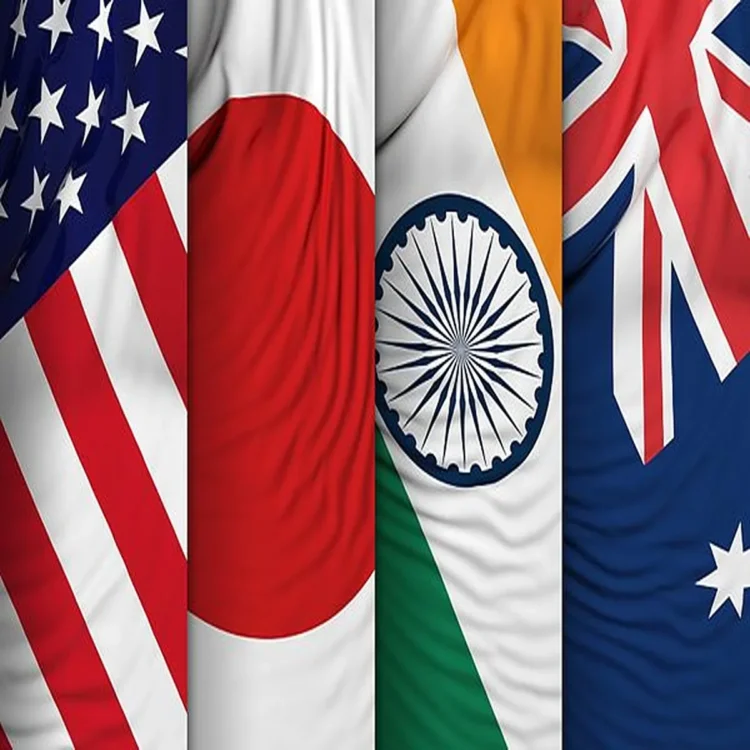
Rubio, who attended the meeting alongside officials from India, Japan, and Australia, highlighted that the four-member partnership is now concentrating on delivering tangible outcomes in areas considered critical to regional and global stability.
Quad Shifts Toward Action-Oriented Cooperation
Speaking during the opening session, Rubio said the participating nations have spent the past year working to make the Quad more effective in addressing pressing international challenges. According to him, the alliance is no longer limited to exchanging views on geopolitical issues but is increasingly focused on implementing joint initiatives.
He noted that the United States has demonstrated its commitment to the grouping from the very beginning of the current administration. Rubio pointed out that his first official engagement after taking office as Secretary of State was a Quad meeting, describing it as a reflection of Washington’s strategic priority toward the partnership.
Rubio also thanked India for hosting the gathering and acknowledged the participation of senior representatives from Japan and Australia. He said the current international environment has made cooperation among the four countries more relevant than ever.
Focus on Security and Supply Chains
During his remarks, Rubio emphasized that each Quad member contributes distinct strengths that can collectively address several major global concerns. These include maritime security, humanitarian assistance, energy stability, and the development of resilient supply chains.
He stressed the importance of safeguarding freedom of navigation and ensuring uninterrupted access to essential resources, particularly critical minerals and energy supplies. According to Rubio, the combined economic and strategic capabilities of the four countries place the grouping in a strong position to respond to emerging global challenges.
The Secretary of State further stated that recent international developments have increased the urgency of cooperation in these sectors. He added that the ministers are expected to continue advancing operational coordination in areas where mutual interests align closely.
India Hosts Key Strategic Meeting
The foreign ministers’ meeting in New Delhi brought together representatives from India, Australia, Japan, and the United States at a time when geopolitical tensions and supply chain concerns remain central issues across the Indo-Pacific region.
India’s External Affairs Minister S. Jaishankar hosted the discussions, which focused on expanding collaboration in infrastructure development, disaster relief preparedness, advanced technologies, and maritime coordination.
The Quad has increasingly gained attention as a strategic platform aimed at promoting a stable, open, and inclusive Indo-Pacific. While the grouping is not a formal military alliance, its growing cooperation in defense coordination and economic resilience has strengthened its international relevance.
Expanding Role of the Quad Alliance
Originally viewed by many as a consultative framework, the Quad has gradually expanded its agenda over recent years. The partnership now covers areas ranging from cybersecurity and clean energy to health cooperation and technological innovation.
Officials from member countries have repeatedly stressed that the grouping is intended to support regional stability and economic resilience rather than target any single nation. However, the alliance’s activities are often viewed within the broader context of evolving strategic competition in the Indo-Pacific.
Rubio’s comments in New Delhi underscored the broader direction the Quad appears to be taking, with member nations seeking stronger coordination on practical issues that directly affect regional and global security.
Analysts believe the continued emphasis on operational cooperation could shape future initiatives involving infrastructure investments, supply chain diversification, maritime partnerships, and emergency response coordination among the four countries