
Archaeology – Veteran Historian Shereen RArchaeology – Veteran Historian Shereen Ratnagar Dies at 82 in Mumbaiatnagar Dies at 82 in Mumbai
Archaeology – Renowned Indian archaeologist Shereen Ratnagar, celebrated for her pioneering studies on the Indus Valley Civilization, died in Mumbai on Monday night following a brief illness. She was 82. Family members confirmed her passing on Tuesday, marking the end of a long academic career that significantly shaped the understanding of Harappan society and ancient trade systems.
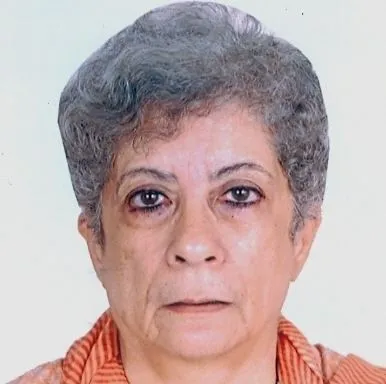
Ratnagar was widely respected for her extensive work on the Harappan civilization, particularly her studies on commercial networks, urban structures, and the gradual decline of one of the world’s earliest urban cultures. Her research relied heavily on archaeological evidence collected from excavation sites and historical artifacts, helping scholars gain deeper insight into the economic and social foundations of the Indus Valley Civilization.
Academic Journey and International Training
Born in Mumbai in 1944, Ratnagar initially studied History before moving into professional archaeological training. She completed her education at Deccan College in Pune and later continued advanced studies in Mesopotamian archaeology at the Institute of Archaeology, University College London.
Her academic path also took her to Iraq, where she worked with the British School of Archaeology in Iraq as part of a fellowship program. During this period, she documented antiquities and participated in field research connected to ancient West Asian civilizations. The experience later influenced her comparative studies involving the Indus region and Mesopotamia.
After returning to India, she joined Jawaharlal Nehru University in Delhi as a junior fellow at the Centre for Historical Studies under historian Romila Thapar. She later completed her doctoral research focusing on interactions between Mesopotamia and the Indus Valley region.
Influential Contributions to Harappan Studies
Ratnagar later became Professor of Archaeology and Ancient History at JNU, where she taught and conducted research for several decades before retiring in 2000. Even after retirement, she continued independent scholarly work from Mumbai.
Among her most influential publications was Encounters: The Westerly Trade of the Harappa Civilization, released in 1981. The book examined evidence of trade links between Harappan settlements and regions in present-day Iraq, including discoveries such as chert weights and other artifacts associated with commercial exchange.
Her later work, Understanding Harappa: Civilization of the Indus, published in 2001, provided a detailed account of Harappan urban planning, economic systems, and cultural interactions based on archaeological findings.
Ratnagar was also known for questioning widely accepted assumptions within archaeology. She critically revisited interpretations of the famous bronze “dancing girl” sculpture from Mohenjo-daro and argued that some earlier conclusions reflected colonial-era academic biases rather than direct archaeological evidence.
Role in Ayodhya Title Dispute Debate
Beyond her academic writing, Ratnagar became involved in one of India’s most debated legal and historical disputes during the 2000s. She appeared as an expert witness for the Sunni Waqf Board in the Ayodhya title case and challenged conclusions presented in the Archaeological Survey of India’s 2003 excavation report.
The ASI report had stated that remains of a large structure, interpreted as a Hindu temple, existed beneath the demolished Babri Masjid site. Ratnagar argued in court that the excavation evidence did not conclusively establish continuous temple occupation and pointed to disturbances in archaeological layers caused by earlier construction and demolition activities.
She further questioned whether features described as pillar bases could be directly linked to a specific temple structure associated with the Ram Janmabhoomi claim, noting that similar architectural features were also present in other historical structures.
Scholarly Legacy and Public Debate
Throughout her career, Ratnagar authored numerous academic papers and books examining ancient trade systems, urbanism, pastoral societies, and early state formation. Her work often explored the economic and political structures of early civilizations and the functioning of non-market societies.
At the same time, some critics argued that her interpretations reflected ideological influences linked to sections of academic historiography associated with JNU. Supporters, however, regarded her as a rigorous scholar who consistently emphasized evidence-based analysis and critical examination of archaeological claims.
Ratnagar also spoke publicly against what she described as the political misuse of archaeology, advocating for greater academic independence and scientific scrutiny in historical interpretation.
Her death marks the loss of one of India’s most influential voices in the study of ancient civilizations and archaeological history.