
ConflictZones – War Damage to Heritage Deepens Fear Among Women
ConflictZones – Wars unfolding across different parts of the world are leaving behind more than destroyed homes and rising civilian casualties. Historic buildings, sacred places, museums, archives and traditional neighborhoods are also being reduced to rubble, creating lasting emotional and social consequences for affected communities, particularly women.
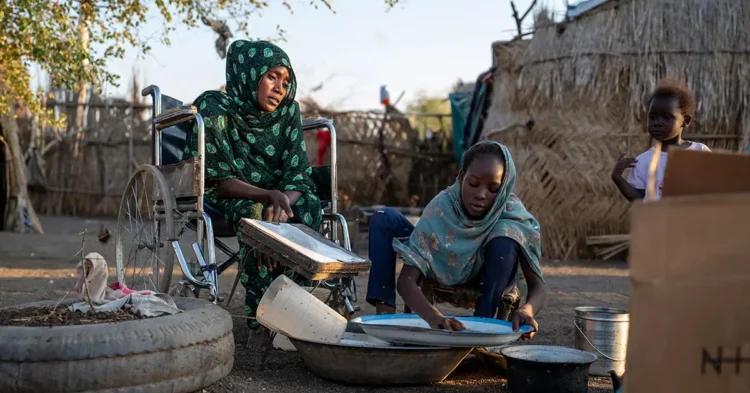
According to UNESCO, hundreds of cultural locations have suffered damage in recent conflicts. In Ukraine, more than 500 heritage sites have been affected since the Russian invasion began. In Gaza, destruction has been recorded at over 160 cultural locations since October 2023. Iran also reported damage to the historic Golestan Palace in Tehran after nearby military strikes.
Heritage Destruction Extends Beyond Physical Damage
International organisations often describe such attacks as losses to global history and civilisation. However, recent academic findings suggest the impact reaches much deeper into the daily lives of ordinary people.
Researchers examining the aftermath of conflicts in Syria and Iraq found that the destruction of cultural and religious landmarks can weaken community identity, damage emotional stability and increase feelings of insecurity among women living through war.
The study focused on women affected by the violence carried out by the Islamic State group between 2013 and the following years. During that period, armed fighters destroyed mosques, churches, shrines, museums and archaeological sites across several cities in Syria and Iraq while also carrying out widespread violence against civilians.
The Yazidi minority community suffered particularly severe abuse, including mass killings and sexual violence. Alongside these crimes, important religious and cultural centres connected to minority groups were systematically targeted.
Women Describe Cultural Sites as Safe Community Spaces
Researchers who interviewed Syrian and Iraqi women found many viewed heritage sites as more than religious structures or historical monuments. For them, these locations acted as gathering spaces where women could meet, support one another and maintain social bonds within conservative societies.
Several women explained that churches, mosques and shrines were places where they shared important moments of life, including marriages, births and mourning rituals. These spaces also offered emotional support during difficult times.
One Yazidi woman described shrines as central locations for prayer, remembrance and family ceremonies. She said their destruction interrupted traditions that had connected generations for decades.
Another participant from the Chaldean Christian community recalled the loss of a church closely tied to her family history. It was the same place where relatives had been baptised and where she herself had married. A Sunni Arab woman said the destruction of her local mosque felt deeply personal, describing it as though “something inside” her had been broken.
International Response Has Expanded in Recent Years
Global institutions have increasingly recognised attacks on heritage sites as more than acts of vandalism. In 2016, the United Nations Human Rights Council called on governments to protect people’s rights to participate in cultural life and preserve access to heritage.
That same year, the International Criminal Court convicted a militant leader for directing attacks on historic religious structures in Timbuktu, Mali. A year later, the UN Security Council formally condemned the unlawful destruction of cultural heritage, linking it to broader threats to international peace and security.
These developments helped move the issue beyond the field of conservation and into discussions surrounding human rights and war crimes. However, researchers argue that the experiences of women during such destruction still receive limited attention in global policy debates.
Fear and Displacement Continue After Attacks
Many women interviewed during the research said the destruction of cultural landmarks increased feelings of fear and instability. Some no longer felt secure in their own neighbourhoods after seeing sacred or familiar places destroyed.
One woman explained that the attacks convinced her to leave her home and relocate to Jordan because she no longer believed her community was safe. Others described growing mistrust between religious and ethnic groups after cultural symbols connected to minority communities were deliberately targeted.
For Yazidi women in particular, the destruction of sacred spaces created long-term anxiety about future violence. Several participants said the attacks left lasting emotional wounds that continued even after they escaped conflict zones.
Heritage Protection Seen as Part of Civilian Recovery
Researchers say the findings highlight why cultural protection should not be treated as a secondary issue during war. Heritage sites often serve practical social purposes, acting as places for mourning, education, worship and rebuilding community ties after violence.
Experts believe understanding how local communities use these places is essential when assessing the full cost of war. Beyond damaged buildings, conflicts can erase shared memories, weaken trust and remove spaces where people once felt secure.
The study concludes that for many women living through armed conflict, the destruction of heritage represents not only the loss of monuments, but also the disappearance of emotional support systems and community identity.