
ClimateChange – Rising Humidity and Heatwaves Intensify India’s Summer Crisis
ClimateChange – India is facing an increasingly severe summer season as prolonged heatwaves and rising humidity continue to affect large parts of the country. The crisis is no longer limited to daytime temperatures crossing 45 degrees Celsius. Many regions are now witnessing persistently hot nights, leaving residents with little relief even after sunset.
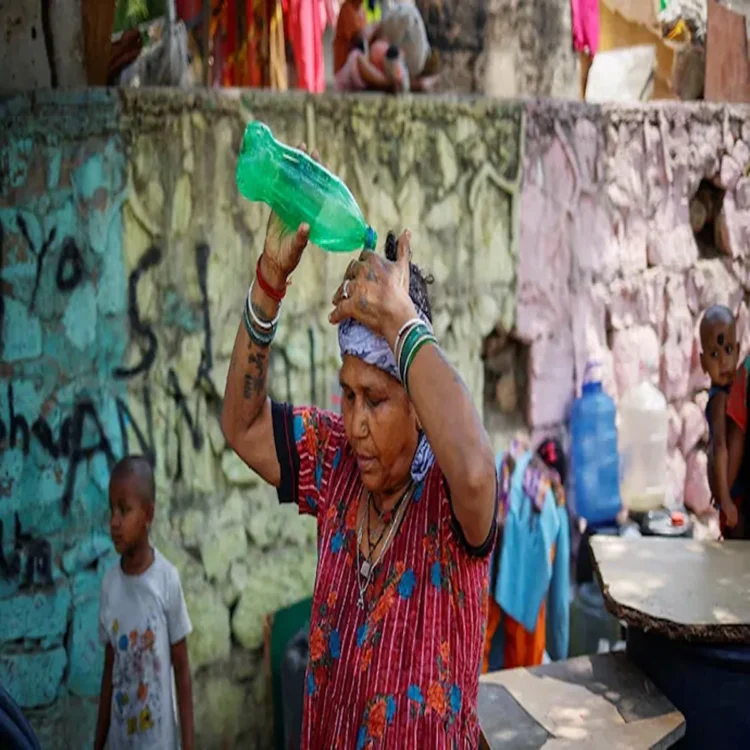
According to global health recommendations, indoor temperatures should ideally remain below 24 degrees Celsius to reduce heat-related health risks and support healthy sleep patterns. However, several environmental and climatic factors are making this increasingly difficult across many Indian cities and towns.
Desert Winds Fuel Heatwave Conditions
Meteorologists say the current weather pattern is being driven by strong north-westerly winds moving from desert regions through Rajasthan, Punjab, Haryana, and parts of central India. These dry and hot winds have contributed significantly to the spread of extreme heat conditions across northern India.
Experts also warn that the possible development of El Niño conditions later in the year could weaken monsoon rainfall and extend periods of heat stress across the country. Reduced rainfall and dry land surfaces often increase the intensity of heatwaves because the ground absorbs and radiates more heat into the atmosphere.
Urban Areas Struggle With Heat Retention
Climate specialists believe rapid urbanisation is worsening the situation in densely populated cities. Concrete structures, asphalt roads, and limited green cover are creating a strong urban heat island effect, where cities absorb heat during the day and slowly release it through the night.
This process prevents temperatures from dropping adequately after sunset, increasing the health risks associated with prolonged exposure to heat. Residents in urban centres are therefore experiencing both extremely hot afternoons and unusually warm nights.
Researchers have also observed a noticeable increase in humidity levels in recent years. National average humidity figures have reportedly risen during the past decade, making weather conditions more uncomfortable and increasing the likelihood of heat stress.
Higher humidity reduces the body’s ability to cool itself naturally through sweating, which can lead to exhaustion and other heat-related illnesses, particularly among vulnerable populations such as children, older adults, and outdoor workers.
Uttar Pradesh District Emerges as Hottest Region
While Rajasthan is traditionally associated with extreme summer temperatures, weather experts say some parts of north and central India are currently recording even higher readings.
Banda district in Uttar Pradesh has recently become one of the hottest locations in the country, with temperatures reportedly climbing above 48 degrees Celsius. Specialists attribute this unusual heat pattern to a persistent anti-cyclonic system in the middle layers of the atmosphere.
This atmospheric condition pushes warmer air downward, increasing surface temperatures. Scientists also point to the region’s black soil and plateau terrain, which absorb heat rapidly during the day and release it slowly at night. As a result, the ground remains warm for longer periods, preventing overnight cooling.
Rajasthan Temperatures Remain Comparatively Stable
Interestingly, parts of Rajasthan have not experienced the same level of extreme temperatures this season. Weather analysts explain that south-western winds arriving from the Arabian Sea have helped moderate conditions in several areas of the state.
These winds are carrying relatively cooler air across Gujarat and Rajasthan, helping keep temperatures lower than expected compared to neighbouring regions facing severe heatwave conditions.
Growing Concerns Over Long-Term Climate Patterns
Climate experts believe the combination of rising temperatures, increasing humidity, reduced rainfall, and expanding urban heat zones points to a broader environmental challenge. The persistence of heat throughout both day and night is becoming a major concern for public health authorities and urban planners.
As India moves deeper into the summer season, authorities are expected to continue monitoring weather developments closely while encouraging heat safety measures, water conservation, and improved urban cooling strategies.