
Insurgency – Major Maoist Surrender Marks Shift in Jharkhand Security Drive
Insurgency – A major breakthrough in Jharkhand’s anti-insurgency campaign was recorded on Thursday after 27 Maoists surrendered before police authorities in Ranchi. The event took place in the presence of Director General of Police Tadasha Mishra, with senior officials describing the development as a significant moment in the state’s ongoing effort to curb extremist activities.
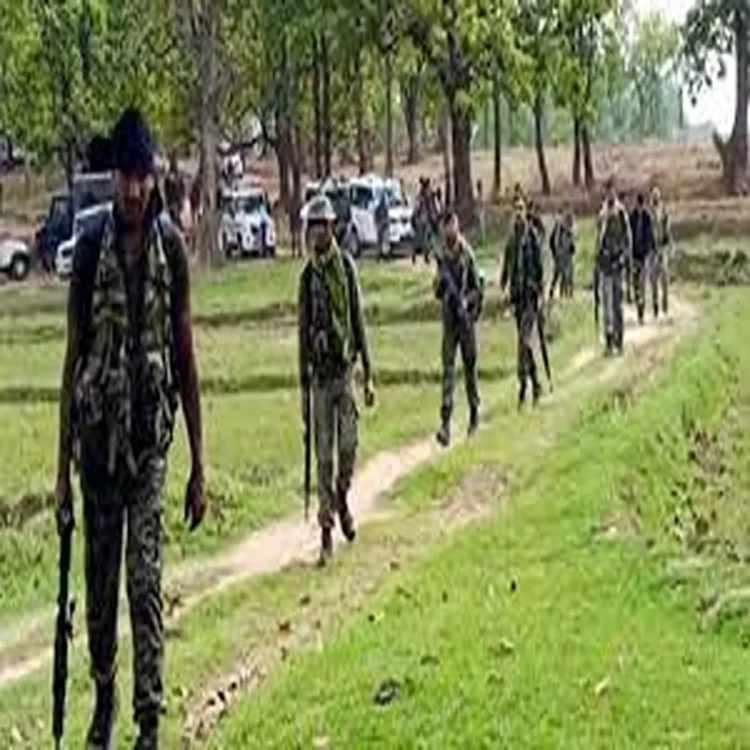
Senior Cadres Among Those Who Surrendered
Police officials said that most of the surrendered individuals were associated with influential Maoist groups operating in the Kolhan and Saranda forest belts. Out of the 27 cadres, 25 were reportedly linked to squads led by Central Committee members Misir Besra and Asim Mandal, both considered key figures within the banned CPI (Maoist) organisation.
Authorities stated that the group included six Sub-Zonal Committee members, six Area Committee members, and 13 armed squad members. These cadres had been active for years in remote and difficult forest terrain, where security agencies have intensified operations in recent months.
Apart from them, two other Maoists connected to the Jharkhand Jan Mukti Parishad (JJMP) in Gumla district also surrendered during the same event.
Rewards and Criminal Cases Linked to Cadres
According to police records, eight of the surrendered Maoists carried a combined bounty of Rs 33 lakh. Officials also confirmed that several criminal cases had been registered against the individuals across multiple districts in Jharkhand.
Investigators believe the surrender reflects increasing pressure on Maoist groups due to sustained security operations in sensitive regions. Authorities said continuous crackdowns, intelligence-based raids, and stricter enforcement measures have disrupted the movement of insurgent groups in forest zones.
Police officials further claimed that internal exploitation, fear, and declining support within Maoist organisations have also contributed to the growing number of surrenders.
Government Rehabilitation Support to Be Provided
The Jharkhand government’s rehabilitation policy will now be extended to the surrendered cadres, officials said. The policy includes financial assistance, rehabilitation support, and measures aimed at helping former insurgents reintegrate into mainstream society.
Security officials stated that such rehabilitation programmes are intended to encourage more cadres to abandon violence and return to civilian life. Authorities have repeatedly maintained that the government is focusing on both security operations and rehabilitation efforts simultaneously.
Police Call It a Turning Point
West Singhbhum Superintendent of Police Amit Renu described the surrender as a major development in the state’s anti-Naxal campaign. Speaking after the ceremony, he said the large-scale surrender could become a decisive moment in reducing Maoist influence in Jharkhand.
He added that security operations are continuing in the Saranda and Kolhan regions and expressed confidence that extremist activities in the area would decline further in the coming months.
When questioned about the remaining Maoist presence in the forests of West Singhbhum, the officer said only a limited number of cadres were still active in the region. He noted that police forces are working continuously based on intelligence inputs and conducting regular operations to track remaining insurgent groups.
Anti-Naxal Operations Continue Across Jharkhand
Jharkhand Police data shows that anti-Naxal operations have intensified throughout the state this year. Officials reported that 44 Maoists have been arrested so far, while 29 have surrendered voluntarily. In addition, 22 Maoists have been killed during encounters with security forces.
The state government and security agencies believe that continued pressure in Maoist-affected districts is gradually reducing insurgent influence in several forest areas that were once considered strongholds of extremist activity.