
Hydropower – Centre Limits New Projects in Uttarakhand River Basins
Hydropower – The Central government has informed the Supreme Court that it does not support approving any fresh hydroelectric projects in the Alaknanda and Bhagirathi river basins beyond seven developments that are either operational or nearing completion. The decision has been presented as part of ongoing proceedings linked to the devastating Uttarakhand floods of 2013, which triggered national concerns over ecological safety in the Himalayan region.
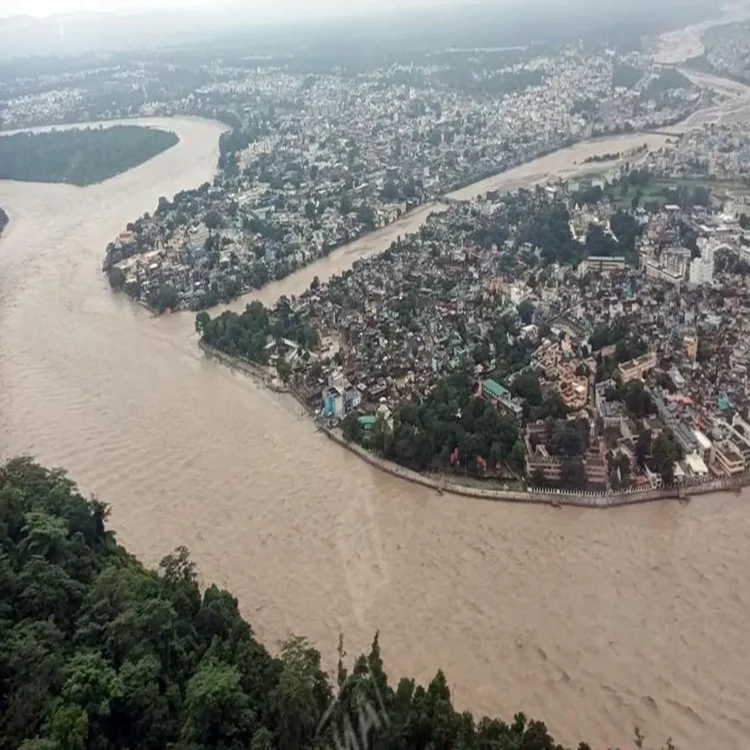
Government Submits Joint Affidavit to Supreme Court
According to the affidavit placed before the apex court, the Union government reached a common position after consultations among the Ministry of Environment, Forest and Climate Change, the Ministry of Power, and the Ministry of Jal Shakti. The submission was made in response to directions issued by the Supreme Court earlier this year while hearing matters connected to hydropower expansion in Uttarakhand.
Officials stated that the government has decided to permit only seven hydroelectric projects in the sensitive river basins. Out of these, four projects have already become operational, while three others are at advanced stages of physical construction and financial investment.
Concerns Over Environmental and Flood Risks
In its response, the Centre highlighted the environmental risks associated with additional hydropower construction in the Himalayan ecosystem. The affidavit noted that expanding the number of dams and related infrastructure could intensify flood threats, disturb the natural flow of rivers, and damage the ecological balance of the region.
The government also referred to the cultural and spiritual importance of the Alaknanda and Bhagirathi rivers. Authorities argued that excessive intervention through large-scale hydropower projects may weaken the traditional and religious significance attached to these water bodies, which are closely linked to the origin of the Ganga river system.
Background Linked to 2013 Uttarakhand Disaster
The issue has remained under judicial review since the catastrophic floods and landslides that struck Uttarakhand in 2013. The disaster caused extensive loss of life and severe damage to infrastructure across the state. In the years that followed, multiple expert panels examined whether uncontrolled hydropower expansion had increased ecological vulnerability in the region.
Several committees recommended restricting or halting future projects in fragile Himalayan zones. Their findings raised concerns over blasting activities, deforestation, debris dumping, and alterations in river flow patterns linked to dam construction.
However, some private companies and project developers challenged restrictions on new hydroelectric ventures. Petitions were later filed before the Supreme Court opposing proposals to stop future developments in the river basins.
Shift From Earlier Hydropower Position
The Centre’s latest stand appears to mark a shift from earlier policy decisions. In 2015, the government had reportedly supported clearance for 28 hydropower projects in the Alaknanda and Bhagirathi basins. That proposal had drawn criticism from environmental groups and disaster management experts.
A later review conducted by the Cabinet Secretary T V Das Committee in 2024 recommended permitting only five additional projects instead of the larger number approved earlier. The present affidavit, which effectively limits activity to the seven ongoing or nearly completed projects, indicates a more cautious approach toward hydropower expansion in ecologically sensitive areas.
Strict Safeguards to Remain in Place
The government has also clarified that the seven approved projects will be allowed to continue only under strict monitoring and compliance conditions. Authorities told the court that all environmental safeguards, legal clearances, and protective measures must be fully implemented before work proceeds further.
The Supreme Court is expected to continue hearing the matter as it evaluates the balance between energy requirements, environmental protection, and disaster prevention in the Himalayan state.