
CowProtection – Madani Calls for Cow to Receive National Animal Status
CowProtection – Maulana Syed Arshad Madani on Wednesday said declaring the cow as India’s “national animal” could help reduce communal tensions and end violence linked to cow protection issues. The senior Islamic scholar argued that political disputes surrounding the animal have contributed to hate campaigns and attacks targeting members of the Muslim community in several parts of the country.
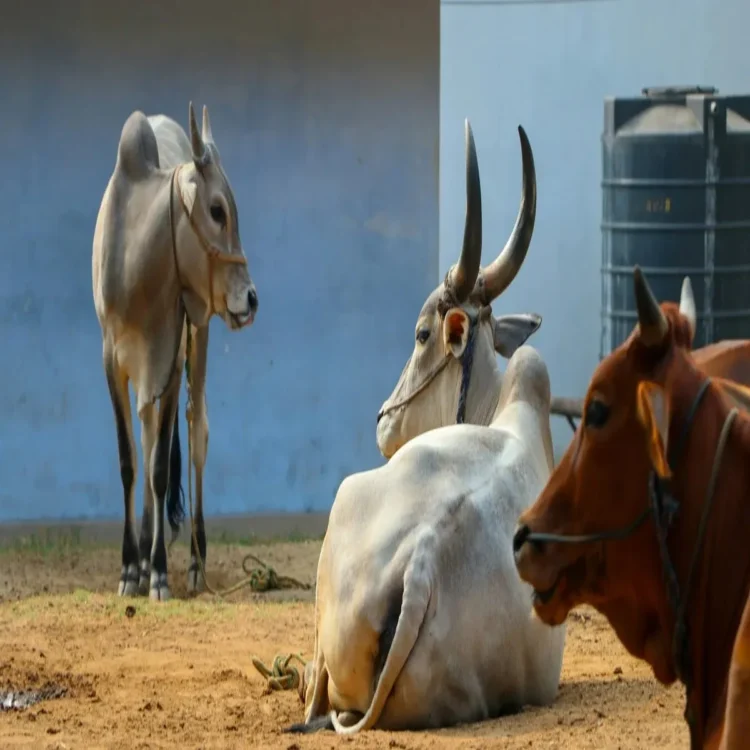
Concerns Raised Over Violence and Communal Tensions
The president of Jamiat Ulema-e-Hind expressed concern over what he described as growing incidents of mob violence and hate-driven politics associated with cow protection. In a statement shared on social media platform X, Madani said the matter requires a long-term and practical solution rather than continued political confrontation.
He maintained that granting the cow official national animal status could help settle recurring disputes and reduce tensions linked to allegations of cow slaughter and vigilantism. According to him, such a move would also clarify the legal and social position surrounding the issue across the country.
Appeal for Uniform National Policy
Madani questioned why the government had not yet considered introducing a nationwide framework on the matter. He stated that many people in the majority community regard the cow with deep religious reverence and emotional attachment, making it necessary to approach the subject responsibly and without political exploitation.
He also urged authorities to ensure that innocent lives are not lost because of religious or communal disagreements. Referring to incidents of mob lynching reported in recent years, Madani said violence carried out in the name of cow protection should come to an immediate end.
The Muslim leader stressed that communal divisions and hate-based political narratives weaken social harmony and damage the country’s democratic values. He called for measures that promote peace and equal treatment for all citizens, regardless of faith or background.
Questions Over Different State-Level Practices
During his remarks, Madani pointed to what he described as inconsistencies in laws and enforcement related to beef consumption and cattle trade in different Indian states. He alleged that states with sizeable Muslim populations often witness heightened tensions and stricter actions, while beef products continue to be openly available in several other regions.
According to him, these differences create confusion and contribute to allegations of selective enforcement. He argued that if laws related to cow protection exist, they should be implemented uniformly throughout the country instead of varying from state to state.
Madani further stated that such inconsistencies encourage political narratives rather than genuine respect for religious sentiments. He said a balanced and transparent policy would help reduce mistrust among communities.
Remarks on Political Double Standards
The senior cleric also criticised what he called contradictory positions taken by certain political leaders. He claimed that some public representatives associated with the ruling party had previously made statements about consuming beef, while remaining silent on incidents of violence linked to cow protection groups.
Without naming specific individuals, Madani alleged that political interests often shape the debate more than genuine religious concern. He suggested that stronger legal clarity and equal enforcement could prevent the issue from being used for polarising political campaigns.
Madani, who also serves as a senior office bearer of the All India Muslim Personal Law Board, reiterated that any future law concerning the cow should apply equally in every state without discrimination.
Call for Peaceful Resolution
Concluding his remarks, Madani said social harmony should remain the priority and urged political parties to avoid using religious matters for electoral advantage. He emphasised that no community should face fear or violence because of identity-based politics.
His comments have once again brought attention to the ongoing national debate over cow protection laws, communal harmony, and the role of political discourse in shaping public sentiment across India.