
OilPrices – India Limits Fuel Price Surge Despite Global Crude Oil Crisis
OilPrices – India managed to keep petrol and diesel prices relatively stable despite a major global oil supply disruption triggered by the Strait of Hormuz crisis earlier this year. While several countries experienced sharp increases in fuel costs, the rise in retail fuel prices across India remained comparatively moderate due to a series of government interventions and tax adjustments.
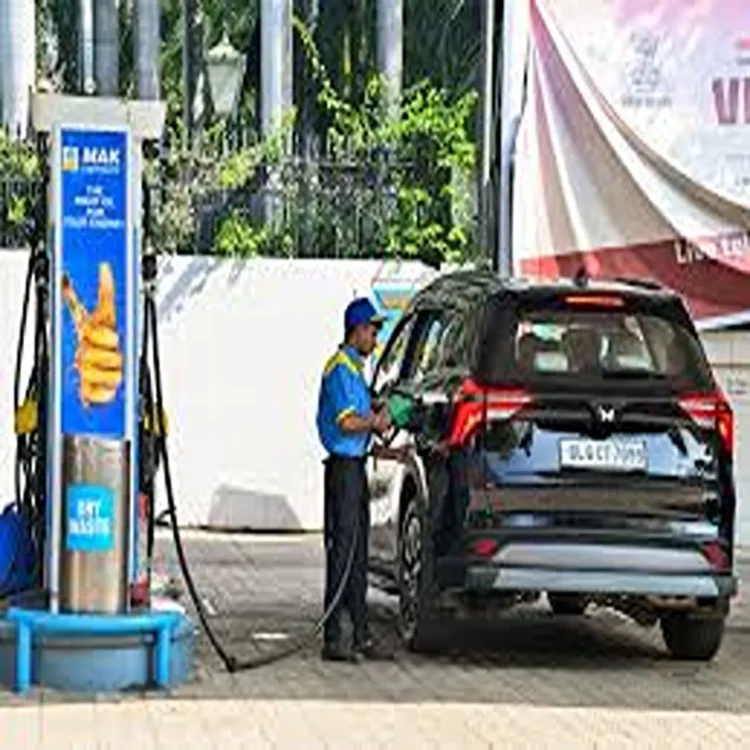
Global Oil Market Faces Severe Pressure
The disruption in oil shipments that began in February 2026 created uncertainty across international energy markets. Brent crude prices climbed rapidly during the crisis, moving beyond USD 120 per barrel before easing slightly to around USD 110 per barrel in recent weeks. The supply shock tightened global inventories and increased pressure on fuel-importing nations worldwide.
Countries heavily dependent on imported crude oil witnessed a sharp jump in domestic fuel rates as governments passed the burden directly to consumers. However, India adopted a different approach aimed at cushioning the impact on households and businesses.
Fuel Prices Rise Moderately in India
Between February and May 2026, petrol prices in India increased by 4.2 percent, while diesel prices recorded a rise of 4.4 percent. These increases remained significantly lower compared to many neighboring and global economies dealing with the same supply disruption.
Data from GlobalPetrolPrices showed that Myanmar faced one of the steepest increases during the period, with petrol prices surging nearly 90 percent and diesel prices rising by more than 112 percent. Several other countries, including Pakistan, Sri Lanka, Malaysia, China, the United States, and many European nations, also reported double-digit increases in fuel prices.
Government Measures Helped Control Retail Rates
Indian authorities relied on a combination of excise duty cuts and adjustments in fuel taxation over the past few years to reduce the burden on consumers. Multiple steps taken between 2021 and 2026 played a major role in controlling retail fuel costs during the recent global crisis.
According to official figures, the Centre announced excise duty reductions in November 2021 and again in May 2022. Additional retail fuel price relief was introduced in March 2024, followed by another reduction in excise duty during April 2025.
A further revision came on March 27, 2026, when the government reduced the Special Additional Excise Duty on transport fuels. Following this move, excise duty on petrol was brought down to Rs 3 per litre, while diesel excise duty was reduced to zero.
Revenue Impact and Oil Company Support
Part of the increase in international crude prices was absorbed through lower government revenue collections and support mechanisms involving oil marketing companies. Officials estimate that the March 2026 reduction in fuel-related duties alone may affect government revenue by nearly Rs 30,000 crore during the current financial year.
The government’s strategy focused on maintaining economic stability while preventing a steep increase in transportation and logistics costs, which directly influence inflation and daily household expenses.
Legacy of Oil Bonds Still Relevant
The discussion around fuel taxation also revived attention on oil bonds issued during the previous UPA administration. Between 2005 and 2010, oil bonds worth nearly Rs 1.34 lakh crore were provided to oil marketing firms to offset losses arising from controlled fuel pricing.
Government records indicate that more than Rs 1.30 lakh crore of the principal amount has already been repaid over the years, along with substantial interest payments.
State Taxes Continue to Influence Fuel Costs
Apart from central taxes, fuel prices in India continue to vary across states because of different Value Added Tax rates imposed by regional governments.
States such as Andhra Pradesh, Telangana, and Kerala currently report relatively higher petrol and diesel prices due to elevated VAT structures. On the other hand, Gujarat, Uttar Pradesh, Delhi, Haryana, Goa, and Assam have comparatively lower fuel rates because of reduced state-level taxation.
Analysts believe that both international crude trends and domestic tax policies will continue to play a major role in determining fuel prices in the coming months as global energy markets remain volatile.