
Naxalism – Centre Pushes Development Agenda After Anti-Naxal Operations Success
Naxalism – The Union government’s campaign against left-wing extremism has reached a major milestone, with senior BJP leader NV Subhash praising the center’s efforts to eliminate Naxal influence across several affected regions. He credited Prime Minister Narendra Modi and Union Home Minister Amit Shah for leading an aggressive strategy that, according to the BJP, weakened insurgent networks and encouraged many former extremists to return to mainstream society.
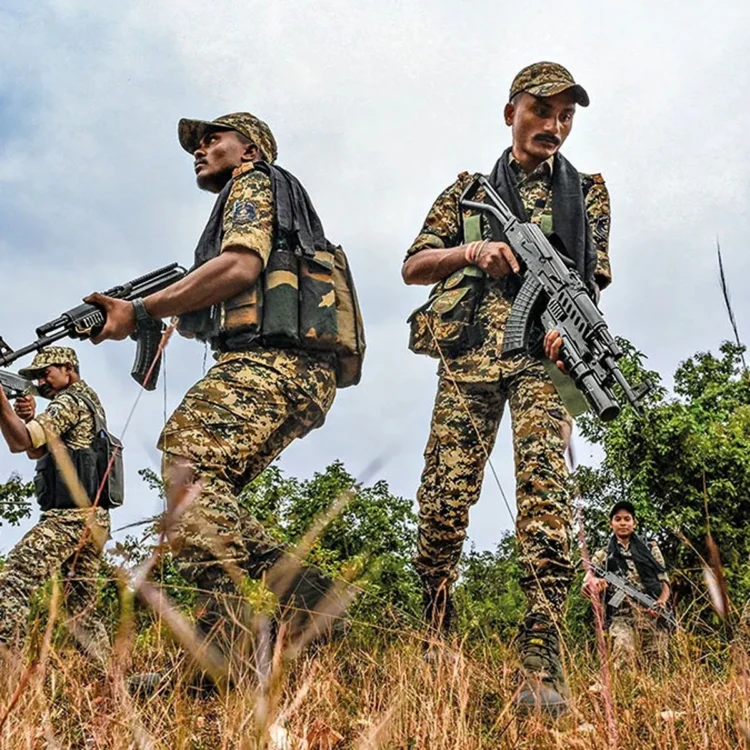
Subhash said the NDA government had earlier fixed March 31, 2026, as the deadline to make the country free from Naxal violence. However, he stated that coordinated security operations helped authorities achieve the target ahead of schedule. According to him, several armed cadres surrendered during recent campaigns, marking what he described as a turning point in the country’s internal security efforts.
Government Focus Shifts Towards Bastar Development
Speaking about the next phase of the Centre’s plan, Subhash said the government is now concentrating on long-term development in Bastar. He noted that the administration intends to transform the region into a fully developed economic and social hub by 2031.
As part of this strategy, around 70 security camps established during anti-Naxal operations will be converted into Veer Shaheed Gundadhur Seva Deras. These centres are expected to deliver government services directly to tribal communities living in remote villages. Officials believe the move will strengthen access to welfare schemes, healthcare facilities, education support, and administrative services.
Subhash described the reintegration of former Naxal members into society as a positive step. He said many individuals who had earlier joined extremist groups have now abandoned violence and accepted democratic processes.
Chhattisgarh and Telangana See Decline in Violence.
The BJP leader also claimed that Chhattisgarh has effectively emerged from years of Naxal-related violence. According to him, the improvement in security conditions will help unlock the state’s economic potential and encourage development projects that were previously delayed due to instability.
He further stated that several villages once affected by insurgency are now witnessing infrastructure growth and improved public services. Roads, welfare programs, and local employment initiatives are gradually reaching regions that remained disconnected for years.
Subhash added that Telangana has also recorded a decline in extremist activity. He said the reduction in violence has created better conditions for investment and rural progress, particularly in districts that had previously experienced security concerns.
Amit Shah Highlights Future Plans for Bastar
During a recent press conference in Chhattisgarh, Union Home Minister Amit Shah said that removing Naxalism alone would not be enough unless development reaches every part of Bastar. He stated that the government’s larger objective is to build a prosperous and modern Bastar region by 2031.
Shah said Naxal violence had slowed the region’s progress for decades and prevented communities from fully benefiting from available resources and welfare schemes. According to him, the government intensified operations soon after the formation of the BJP government in Chhattisgarh in December 2023.
He also referred to a meeting of directors general of Police held in August 2024, where the Centre announced its national target to eliminate Naxalism by March 31, 2026. Shah claimed that the efforts of security personnel enabled authorities to achieve that objective earlier than expected.
Security Camps to Become Public Service Centres
The Union Home Minister said nearly 200 security camps had been established across Bastar’s seven districts to strengthen anti-Naxal operations. With the situation improving, the government has now decided to convert many of these facilities into centres focused on welfare delivery.
According to Shah, the first phase will include the transformation of 70 camps into service centres aimed at helping tribal residents access government programs more easily. The government also plans to improve local income opportunities in Bastar over the next five years through infrastructure expansion and economic development initiatives.
Political observers believe the Centre’s next challenge will be ensuring that long-term peace is matched by sustained growth, employment opportunities, and better living conditions in previously conflict-affected areas