
Judiciary – Supreme Court Encourages Virtual Hearings to Reduce Fuel Usage
udiciary – The Supreme Court of India has introduced temporary virtual hearing arrangements to help reduce fuel consumption and avoid unnecessary travel expenses amid rising global energy concerns.
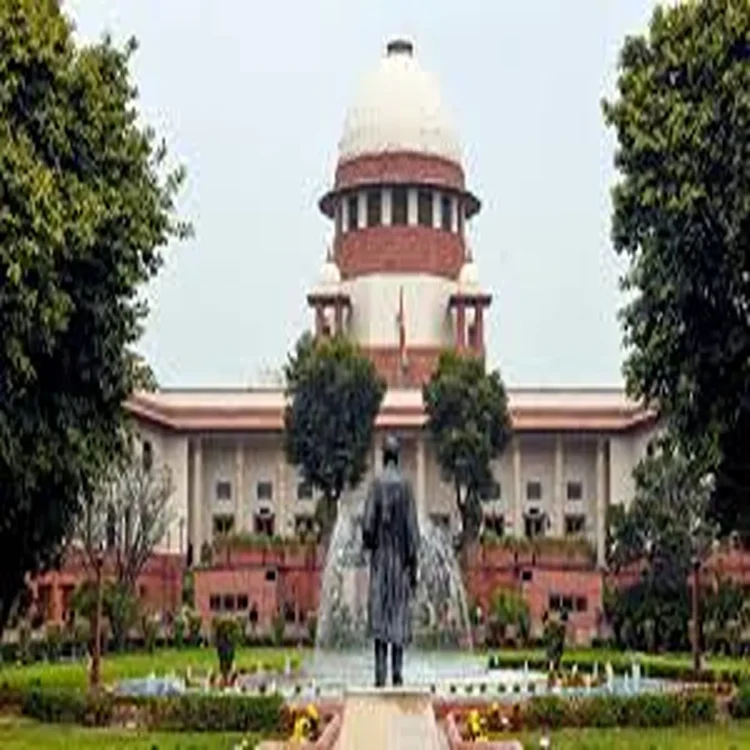
Chief Justice of India Surya Kant on Monday announced that he had written to the chief justices of all state high courts, requesting them to conduct proceedings through online platforms on Mondays and Fridays for the time being. The proposal comes as part of broader efforts to minimise fuel use during a period of global uncertainty linked to the ongoing West Asia situation.
Supreme Court Adopts Temporary Digital Hearing Model
The move follows an internal meeting held by judges of the Supreme Court on May 15, where it was decided that hearings on two working days each week would be conducted exclusively through video conferencing. During the same meeting, judges also agreed to promote shared transportation arrangements among themselves in order to ensure better fuel efficiency.
According to officials familiar with the discussions, the initiative was taken in response to increasing fuel costs and concerns over avoidable expenditure linked to transportation. The judiciary’s decision aligns with recent appeals from Prime Minister Narendra Modi urging institutions and citizens to adopt cost-saving measures due to the international geopolitical climate.
Legal Community Welcomes the Initiative
Several senior members of the legal fraternity welcomed the decision and described it as a practical and responsible step under current circumstances.
Senior advocate and former Attorney General Mukul Rohatgi appreciated the approach, stating that virtual court proceedings had continued smoothly without affecting the quality of judicial work. He noted that judges remained patient and attentive during online hearings, adding that the digital format had proven effective in maintaining court efficiency.
Rohatgi also encouraged high courts across the country to consider adopting similar measures. Solicitor General Tushar Mehta expressed support for the suggestion and agreed that the initiative could help reduce unnecessary fuel consumption while ensuring uninterrupted judicial functioning.
Rising Fuel Prices Add to Concerns
The judiciary’s decision comes shortly after a fresh increase in fuel prices across the country. On May 15, petrol and diesel prices were raised by Rs 3 per litre. In addition, compressed natural gas prices increased by Rs 2 per kilogram in cities such as Delhi and Mumbai, followed by another price rise in Delhi on May 17.
Legal experts believe the Supreme Court’s temporary shift toward online hearings reflects a larger institutional effort to adapt to changing economic conditions while maintaining public service delivery. Many observers have pointed out that virtual proceedings introduced during the pandemic had already demonstrated their effectiveness and could continue to serve as a useful alternative when required.
Former Additional Solicitor General K C Kaushik also welcomed the measure, saying the decision would significantly help in lowering fuel consumption and related expenses.
Inquiry Report on Justice Yashwant Varma Submitted
In a separate development linked to judicial accountability proceedings, the Judges Inquiry Committee examining allegations against Justice Yashwant Varma submitted its report to Lok Sabha Speaker Om Birla on Monday at Parliament House.
Sources indicated that the report is expected to be presented before both Houses of Parliament in the coming days. The submission marks an important stage in the ongoing inquiry process concerning the allegations under examination.
The developments together reflect a period of active administrative and institutional decision-making within the Indian judiciary, both in terms of operational reforms and accountability procedures.