
CoalGasification – India Pushes Domestic Fuel Strategy Amid Steel Industry Expansion
CoalGasification – India’s growing focus on coal gasification is reshaping discussions around industrial fuel security as the country works to reduce dependence on imported raw materials while balancing long-term climate commitments.
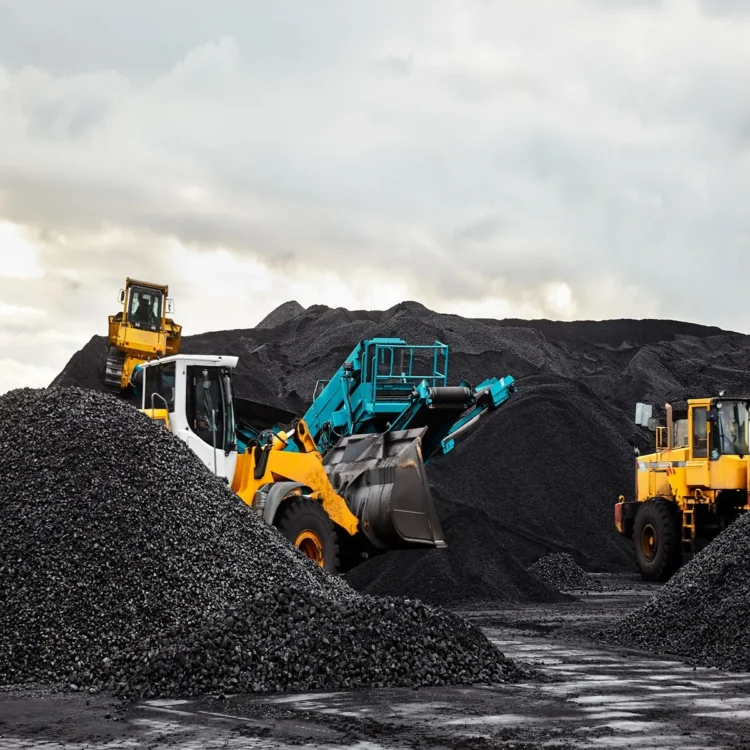
India’s steel industry is expected to remain the fastest-growing market in the world over the next two years, according to a recent report by the Observer Research Foundation. Demand for steel is projected to rise by 7.4 per cent in 2026 and further accelerate to 9.2 per cent in 2027, driven by infrastructure expansion and industrial growth.
Rising Dependence on Imported Coking Coal
A large share of domestic steel production continues to rely on the Blast Furnace-Basic Oxygen Furnace method, commonly known as BF-BOF. This production route currently contributes around 45 per cent of India’s steel output, and new manufacturing facilities are increasingly adopting the same system.
The report highlighted that coking coal remains a critical raw material in this process because it is converted into coke, which acts as fuel and supports chemical reactions inside blast furnaces. However, nearly 90 per cent of India’s coking coal requirements are imported, primarily from Australia.
This dependence has created significant exposure to global price fluctuations and supply disruptions. The situation became more severe in January 2026 when heavy rainfall and flooding in Queensland pushed Australian premium hard coking coal prices to their highest levels in 17 months. Prices climbed again in March 2026 following tensions and conflict in West Asia, adding further pressure on Indian steel manufacturers.
Government Moves to Strengthen Supply Security
To address these vulnerabilities, the government launched Mission Coking Coal with a target of increasing domestic raw coking coal production to 140 million tonnes by 2030. Authorities have also directed steel producers to blend 10 to 12 per cent domestic coking coal with imported supplies.
The report stated that coal gasification could help reduce reliance on imported fuel by enabling the conversion of domestic coal into synthetic gas, also known as syngas. This gas can partly replace coking coal in steelmaking operations and also serve as an alternative to liquefied natural gas in gas-based direct reduced iron production.
Syngas is widely used in the manufacture of chemicals, fertilisers, methanol, ammonia, and cleaner industrial fuels, making it a strategically important resource for multiple sectors.
LNG Imports Add to Energy Concerns
India’s dependence on imported liquefied natural gas has also emerged as a challenge. The country is currently the world’s third-largest LNG importer, with overseas purchases accounting for more than half of total supply.
Although most direct reduced iron production in India still depends on coal, several steel producers use gas-based methods that are vulnerable to disruptions in international energy markets. The report noted that geopolitical conflicts and global supply shocks forced some domestic manufacturers to cut production and ration gas supplies.
In response, several coal gasification projects have moved forward across the country. Planned developments include facilities proposed by Greta Energy and Metal Private Ltd. in Maharashtra, along with a joint venture involving Coal India Ltd. and the Steel Authority of India in West Bengal.
Environmental Concerns Remain a Major Challenge
Despite its potential to strengthen raw material security, coal gasification continues to face criticism because of its carbon-intensive nature.
According to India’s Steel Decarbonisation Roadmap, the syngas-based direct reduced iron route produces emission intensity ranging between 2.50 and 2.90 tonnes of carbon dioxide per tonne of crude steel. This level is higher than the conventional BF-BOF route, which records emissions between 2.20 and 2.60 tonnes.
India’s steel sector currently emits around 2.55 tonnes of carbon dioxide per tonne of crude steel, approximately 30 per cent above the global average. Analysts believe this creates a difficult balance between industrial expansion and climate objectives.
Financial Incentives for Coal Gasification Projects
The government has intensified policy support for coal gasification as part of its long-term industrial strategy. In April 2026, the Ministry of Coal added gasification-related provisions to production agreements signed with successful mining bidders.
Officials estimate the technology could generate annual savings of Rs 60,000 crore to Rs 90,000 crore through reduced import dependence.
To encourage investment, the government introduced an incentive scheme worth Rs 8,500 crore in 2024 for public and private sector projects. In May 2026, an additional Rs 37,500 crore support package was approved, offering financial assistance of up to Rs 5,000 crore for each gasification project