
ClimateRisk – Victoria Faces Growing Threat to Infrastructure From Extreme Weather
ClimateRisk – Victoria is facing mounting pressure from climate-related disasters, with a new report warning that billions of dollars’ worth of public infrastructure across the state could suffer major damage from worsening weather conditions in the coming decades. The assessment, released on Tuesday by Infrastructure Victoria, highlights increasing exposure to bushfires, floods, and extreme heat as climate risks continue to intensify.
Billions in Assets Already Under Threat
According to the report, more than 57 billion Australian dollars in infrastructure assets across Victoria are currently vulnerable to climate-related hazards. The figure is expected to climb significantly over the next 40 years, with projected exposure rising by nearly one-quarter if current trends continue.
The study reviewed infrastructure assets valued at around 318 billion Australian dollars throughout the state. It identified transport systems, energy facilities, healthcare buildings, and regional infrastructure as some of the sectors most likely to be affected by severe weather events.
Bushfires remain one of the largest threats. Infrastructure valued at more than 23 billion Australian dollars is already considered exposed to bushfire danger, and that number is forecast to exceed 30 billion Australian dollars by 2070. Flood risks are also widespread, currently affecting assets worth over 22 billion Australian dollars.
Heat Exposure Expected to Increase Sharply
The report also drew attention to the growing impact of extreme heat across Victoria. Infrastructure vulnerable to high temperatures is projected to more than double between 2030 and 2070, raising concerns about the long-term durability of roads, rail lines, power systems, and public facilities.
Transport infrastructure is expected to face some of the highest repair and maintenance costs in the future. Melbourne, along with several major regional corridors, is likely to experience increasing pressure as heatwaves and heavy rainfall events become more frequent.
Energy networks and healthcare infrastructure were also identified as highly exposed sectors. Floodwaters, fire events, and rising temperatures could disrupt essential services and place additional strain on emergency response systems.
Economic Costs Continue to Rise
The financial burden linked to climate disasters has already become substantial for Victoria. The report noted that extreme weather events cost the state an average of 2.7 billion Australian dollars annually during the decade leading up to 2016.
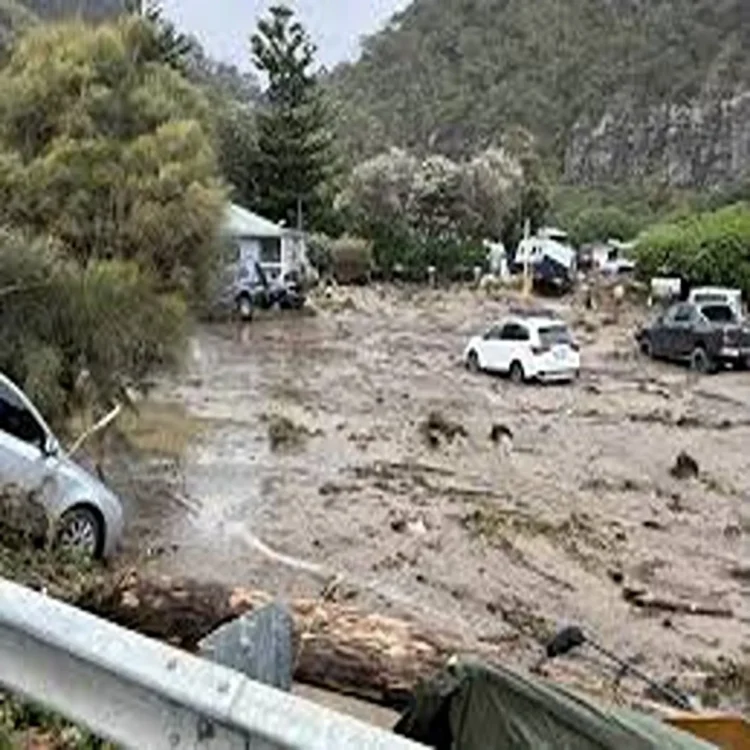
One of the most damaging recent events was the 2022 flooding disaster, which resulted in government spending of around 3.5 billion Australian dollars for emergency support, rebuilding work, and recovery operations.
Climate experts have repeatedly warned that the frequency and intensity of such events are increasing across Australia. Victoria has already recorded a rise in average temperatures of approximately 1.2 degrees Celsius since 1910, reflecting broader warming trends observed nationwide.
Adaptation Measures Could Reduce Future Damage
Infrastructure Victoria stated that early planning and targeted investment could help lower future risks and reduce long-term costs. The report recommended practical adaptation measures such as improved drainage systems, climate-resistant construction materials, and better maintenance planning for transport networks.
The organisation also emphasised the economic value of resilience spending, arguing that investment in prevention and preparedness can deliver stronger financial returns over time by avoiding larger repair bills and disruption costs.
Australia’s climate conditions vary significantly across the continent. Northern regions generally experience tropical weather patterns with wet and dry seasons, while southern parts, including Victoria, have more temperate climates. Large areas of the country are classified as arid or semi-arid, making Australia particularly vulnerable to climate variability and prolonged extreme weather events.
The findings add to growing calls for stronger infrastructure planning as governments and communities prepare for future climate challenges expected over the coming decades.