
LegalDispute – Delhi High Court Reassigns Rohini Judge After Courtroom Row
LegalDispute – The Delhi High Court has reassigned a district judge from Rohini Courts to the Delhi Judicial Academy after allegations of inappropriate behaviour during a courtroom exchange with a senior lawyer triggered widespread attention online. The administrative decision was implemented immediately on Sunday following circulation of a video showing a tense verbal confrontation between the two individuals.
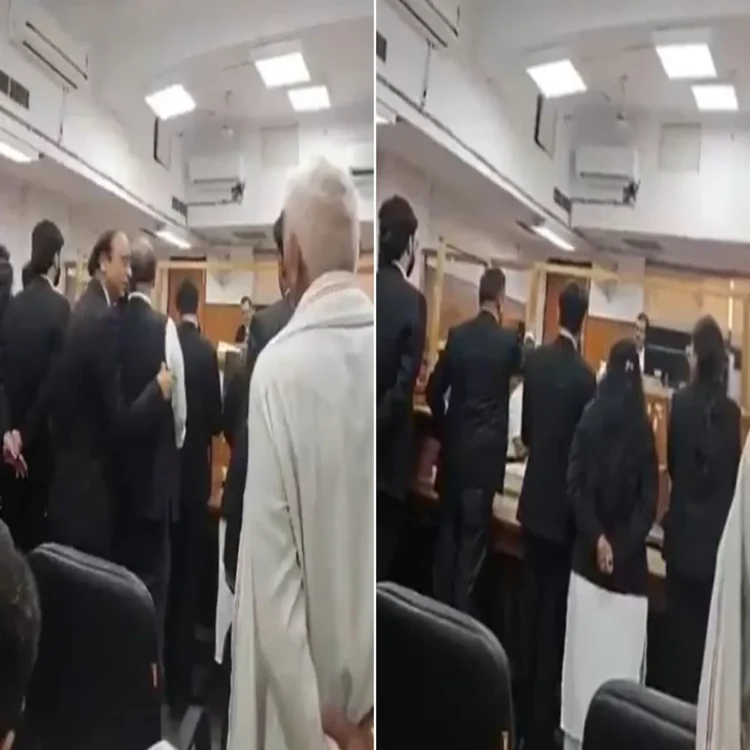
Transfer Ordered Following Viral Courtroom Incident
According to court officials, District Judge Rakesh Kumar has been moved to the Delhi Judicial Academy in what was described as a “diverted capacity.” The transfer order came shortly after footage of the argument surfaced across social media platforms, drawing reactions from members of the legal community and the public.
The disagreement reportedly began when the judge declined a request made by the lawyer seeking a pass over in an ongoing matter. A pass over generally allows a case to be heard later during the court session. The lawyer involved in the exchange was identified as the president of the Rohini Court Bar Association.
New Appointment Made at Rohini Courts
Following the transfer, Additional Director of the Delhi Judicial Academy Dheeraj Mittal has been appointed in place of Judge Kumar. Sources familiar with the development stated that an internal inquiry has also been initiated to examine the circumstances surrounding the incident and determine whether any professional misconduct took place.
The Delhi High Court has not yet released a detailed public statement regarding the inquiry, but legal observers described the immediate administrative response as significant, especially given that the order was issued on a Sunday.
Lawyers’ Bodies Announce Protest Across Delhi Courts
The matter has also led to strong reactions from various lawyers’ associations operating in Delhi district courts. The Coordination Committee of All District Court Bar Associations announced that advocates across district courts in the capital would abstain from judicial work on Monday.
In a statement issued by the committee, members said the protest was intended to defend the “dignity and independence” of the legal profession. The announcement is expected to affect routine court proceedings in several district courts for the day.
Representatives of the bar associations argued that concerns raised by advocates regarding courtroom behaviour and professional treatment should be addressed seriously and transparently by the judiciary.
Legal Community Reacts to High Court Decision
Advocate Tarun Rana, coordinator of the committee, welcomed the Delhi High Court’s decision and described the response as unusually prompt. He stated that removing the judge from active judicial responsibilities indicated that the court had taken the allegations seriously at the preliminary stage.
Rana also noted that administrative orders involving judicial officers are rarely passed on Sundays, making the development notable within legal circles. According to him, the decision reflects the court’s intention to maintain institutional accountability while the inquiry proceeds.
The controversy has reignited discussions around courtroom decorum, professional communication between judges and lawyers, and mechanisms available for addressing grievances within the judicial system. Senior legal practitioners have called for restraint from all sides while the investigation remains underway.
Focus Remains on Inquiry Outcome
For now, attention remains fixed on the inquiry ordered by the Delhi High Court and whether further action may follow depending on the findings. The incident has highlighted the sensitivity of relations between the bench and the bar, particularly in high-pressure courtroom environments.
Legal experts say maintaining mutual respect between judicial officers and advocates is essential for the smooth functioning of courts and public trust in the justice system. Any conclusions from the inquiry are expected to influence future discussions on judicial conduct and professional accountability in district courts.