
Tiger Reserve – NSTR Core Zones Closed for Annual Breeding Season
Tiger Reserve – The Forest Department has imposed a three-month restriction on eco-tourism and public movement inside the core zones of the Nagarjunasagar-Srisailam Tiger Reserve (NSTR). The closure, effective from July 1 to September 30, follows National Tiger Conservation Authority guidelines aimed at protecting wildlife during the annual breeding season.
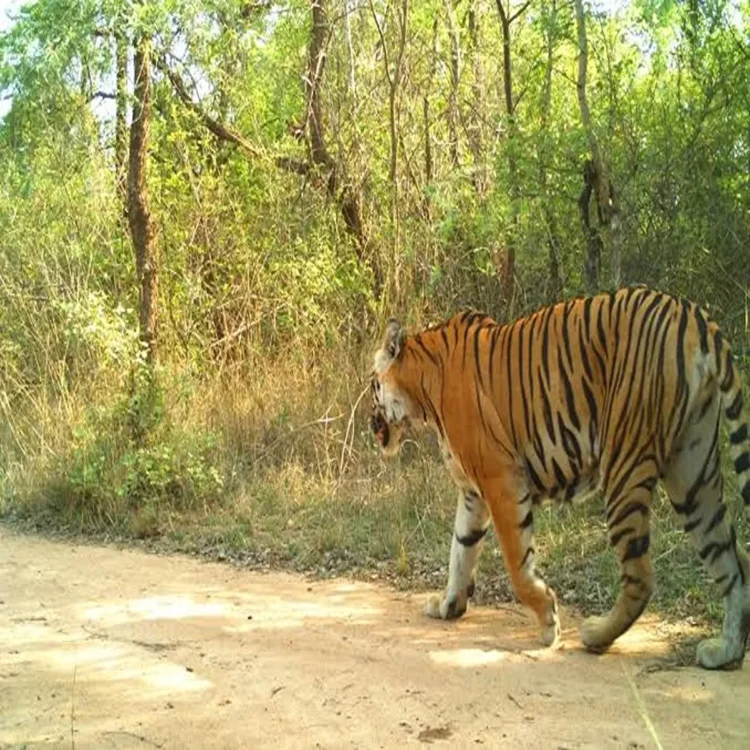
Restrictions Cover Key Protected Forest Areas
The reserve stretches across parts of Prakasam, Kurnool and Guntur districts, covering a total area of 3,727.82 square kilometres. Of this, 2,444 square kilometres fall under the protected core area, while the remaining 1,283.82 square kilometres form the buffer zone.
Forest areas under the Markapur and Giddalur divisions in the erstwhile Prakasam district are considered important for tiger conservation. Officials said the seasonal restrictions are necessary to reduce disturbance in sensitive habitats during the monsoon.
Eco-Tourism Activities Put on Hold
Markapur Forest Division has several eco-tourism facilities and pilgrimage destinations that receive visitors throughout the year. However, all tourism-related activities within the reserve’s core region have been suspended for the duration of the restriction.
Visitors will not be allowed to access Tummala Bayalu Jungle Safari during this period. Pilgrim travel to the Ishta Kameswari Temple, located deep within the Nekkanti Range, has also been stopped until further instructions are issued by the department.
Monsoon Supports Wildlife Breeding and Habitat Growth
The Nallamala forest landscape supports a wide range of wildlife, including tigers, leopards, sloth bears, deer, sambar and many bird species. The forest is also known to host around 70 mammal species, 30 reptile species and nearly 100 butterfly species.
Officials said the beginning of the monsoon is an important phase for several animal species. Rainfall helps grasses germinate and improves vegetation across the forest, creating better feeding and shelter conditions for wildlife.
Officials Cite Safety and Conservation Needs
Pedda Dornala Forest Range Officer Hari and Nekkanti Forest Range In-charge Officer Sai Kumar said the July-to-September period is particularly favourable for tiger breeding. They noted that human activity in the core forest can disrupt animals during this sensitive season.
According to the officers, tigers may react aggressively if they come across people while protecting their territory or young. The department will therefore enforce the ban strictly across the core areas under the Markapur Division.
Public Asked to Follow Entry Restrictions
Forest officials have appealed to tourists, devotees and nature enthusiasts to cooperate with the temporary closure. The restriction is intended to allow wildlife to breed and move freely without human interference during the rainy season.
The department is expected to review access arrangements after September 30, depending on field conditions and further directions from the authorities. Until then, entry into the affected core zones will remain prohibited.