
PandemicResponse – European Union Expands Emergency Action During Hantavirus Crisis
PandemicResponse – European authorities have intensified emergency operations following a hantavirus outbreak linked to passengers aboard a cruise vessel near Tenerife, while health experts continue monitoring the overall public risk, which remains low according to regional disease specialists.
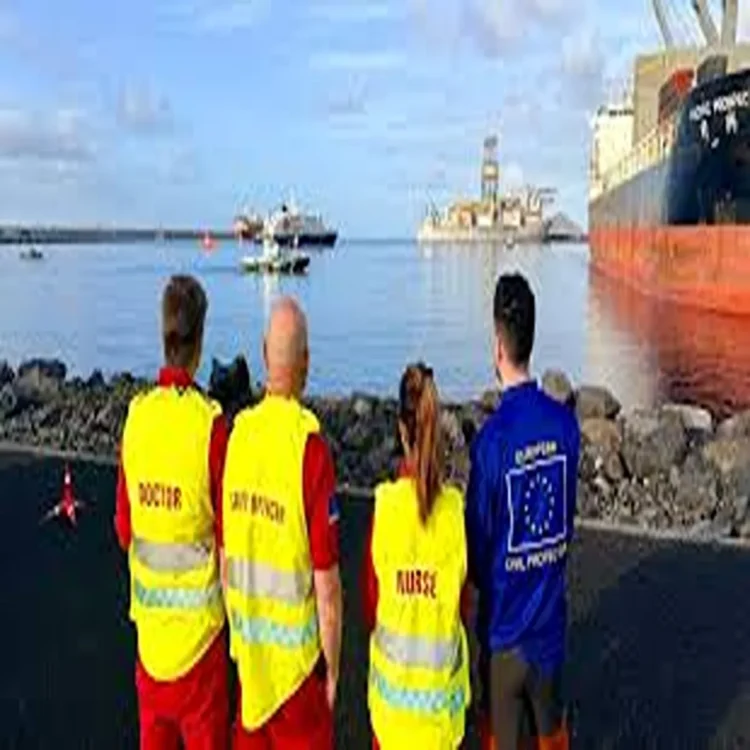
The European Commission confirmed that it is actively assisting national governments as they respond to the developing health situation. At the same time, the European Centre for Disease Prevention and Control (ECDC) has maintained that the likelihood of widespread infection among the European population is currently considered minimal.
Emergency Evacuations Organised From Tenerife
The outbreak response gained urgency after Spain activated the European Union Civil Protection Mechanism on May 6. Since then, the EU’s Emergency Response Coordination Centre has coordinated the secure evacuation of passengers from the cruise ship MV Hondius, which had been stationed off the coast of Tenerife.
Authorities arranged several repatriation flights over the weekend to transport passengers safely back to their home countries. According to the European Commission, France, Spain, the Netherlands, Greece and Ireland jointly operated five evacuation flights on Sunday. A final flight managed by Dutch authorities departed on Monday, completing the relocation process.
Medical Support and Protective Resources Deployed
European officials have also begun mobilising additional emergency resources from strategic reserves prepared for health crises. A specialised medical evacuation aircraft from the EU emergency fleet, hosted in Norway, has already been positioned in Tenerife to provide rapid assistance if conditions worsen.
In addition to air transport capabilities, emergency planners have prepared logistics support and protective medical equipment for immediate deployment if further intervention becomes necessary.
The Emergency Response Coordination Centre also assigned a liaison officer to Tenerife to improve coordination between local responders and European agencies. Meanwhile, the ECDC dispatched two experts from the EU Health Task Force to the cruise ship before passengers left the vessel, helping authorities assess risks and implement safety measures.
International Cooperation Strengthens Response
European institutions are continuing close coordination with member states and international health partners. The Commission said cooperation efforts involve countries participating in the Civil Protection Mechanism, the World Health Organization and G7 partners.
Hadja Lahbib, the European Commissioner responsible for Equality, Preparedness and Crisis Management, stressed the importance of cross-border collaboration during public health emergencies. She noted that infectious diseases can move rapidly between countries, making coordinated action essential for effective containment and response.
Understanding Hantavirus and Its Risks
The World Health Organization describes hantaviruses as infections primarily carried by rodents. Humans may become infected after exposure to contaminated rodent saliva, urine or droppings. Though transmission to people is uncommon, the illness can lead to severe complications and, in some cases, death.
Health outcomes differ depending on the virus strain and the affected region. In North and South America, hantavirus infections are associated with hantavirus cardiopulmonary syndrome, a dangerous illness that can severely damage the lungs and heart. In Europe and Asia, infections are more commonly linked to haemorrhagic fever with renal syndrome, which mainly impacts blood vessels and kidney function.
Medical experts say there is currently no dedicated cure for hantavirus disease. However, early hospital treatment and continuous monitoring can significantly improve survival chances. Supportive care generally focuses on managing respiratory problems, heart complications and kidney-related symptoms.
Prevention Measures Remain Crucial
Public health agencies continue advising people to minimise exposure to rodents and contaminated environments. Activities such as cleaning enclosed areas with poor ventilation, agricultural work, forestry operations and staying in rodent-infested buildings can increase infection risk.
Experts recommend proper protective measures when handling potentially contaminated materials and stress the importance of maintaining clean living and working conditions to reduce the likelihood of transmission.