
WaterReuse – Delhi Plans Wider Use of Treated Sewage Water
WaterReuse – Delhi is preparing a new policy aimed at increasing the use of treated sewage water for construction work, irrigation, and other non-drinking purposes as authorities look to reduce pressure on rapidly depleting groundwater reserves. Officials said the move is part of a broader strategy to promote efficient water management across the national capital.
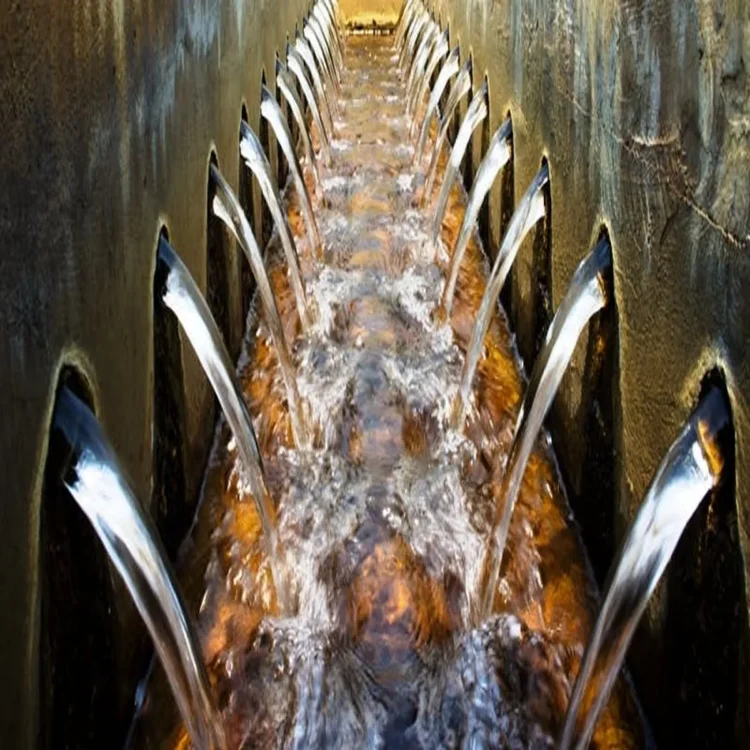
Government Drafting New Water Reuse Framework
According to officials, the proposed policy is being developed by the Delhi Jal Board (DJB) to encourage large-scale use of treated wastewater generated at sewage treatment plants. The initiative is expected to focus on sectors where potable water is not essential, particularly construction projects and horticulture activities maintained by government agencies.
Delhi Public Works and Water Minister Parvesh Sahib Singh said the government wants to ensure that treated water is used more effectively instead of relying heavily on freshwater resources for non-essential purposes. At present, treated water supplied from sewage treatment plants is already being used for landscaping and green maintenance in several parts of the city.
Existing Supply Already Supporting Public Agencies
Officials stated that nearly 89 million gallons per day of treated water is currently being distributed for non-potable use to agencies including the Central Public Works Department, Delhi Development Authority, Municipal Corporation of Delhi, and New Delhi Municipal Council.
The government is now examining ways to expand this network further. Under the proposed policy, treated wastewater may first be directed toward government construction projects before being considered for supply to private companies at economical rates in the future. Authorities are also reviewing additional uses such as firefighting support systems.
Technical Standards Under Review
Experts involved in the policy process are also studying construction safety standards linked to the use of recycled water. Officials noted that water quality plays a critical role in ensuring structural durability during construction work.
Guidelines issued by the Bureau of Indian Standards specify that water suitable for construction should maintain a pH level between 6 and 8.5, while total dissolved solids should remain below prescribed limits. Authorities said untreated or poor-quality water may negatively affect iron reinforcement and concrete strength, potentially compromising building quality.
Parks and Green Areas May Receive Recycled Water
The Delhi government is also considering plans to provide treated water through dedicated pipelines to parks maintained by civic agencies and residential welfare associations. In some locations, smaller decentralised sewage treatment plants may be established near public parks to recycle domestic wastewater locally for gardening and horticulture.
Officials believe such measures could significantly reduce the demand for groundwater and drinking water in maintaining urban green spaces across the city.
Groundwater Concerns Driving Policy Push
The renewed focus on wastewater reuse comes amid growing concern over Delhi’s groundwater situation. A report released in 2024 by the Central Ground Water Board highlighted that the city is extracting groundwater at a rate higher than natural recharge levels.
Out of 34 assessed tehsils in Delhi, 14 were classified as over-exploited, while 13 fell under the critical category. Only five areas were considered safe in terms of groundwater availability. Officials said increasing urbanisation and rising population pressure are making water conservation measures increasingly important.
Large Volume of Treated Water Remains Unused
Delhi currently produces nearly 530 million gallons of treated water every day through its sewage treatment facilities. However, only around 105 million gallons are being utilised at present, mainly for roadside plantations, lake restoration projects, and maintenance of green belts.
To strengthen reuse infrastructure, the Delhi Jal Board has already approved a project worth Rs 90 crore aimed at transporting treated water for horticulture use across various parts of the city. Authorities expect the upcoming policy to help improve utilisation of recycled water while reducing dependence on freshwater resources.