
Infrastructure – NDMC Unveils Detailed Monsoon Preparedness Strategy for Delhi Areas
Infrastructure – The New Delhi Municipal Council (NDMC) has outlined an extensive Monsoon Action Plan for 2026 aimed at strengthening flood prevention measures, improving emergency response systems, and restoring damaged civic infrastructure during and after the rainy season.
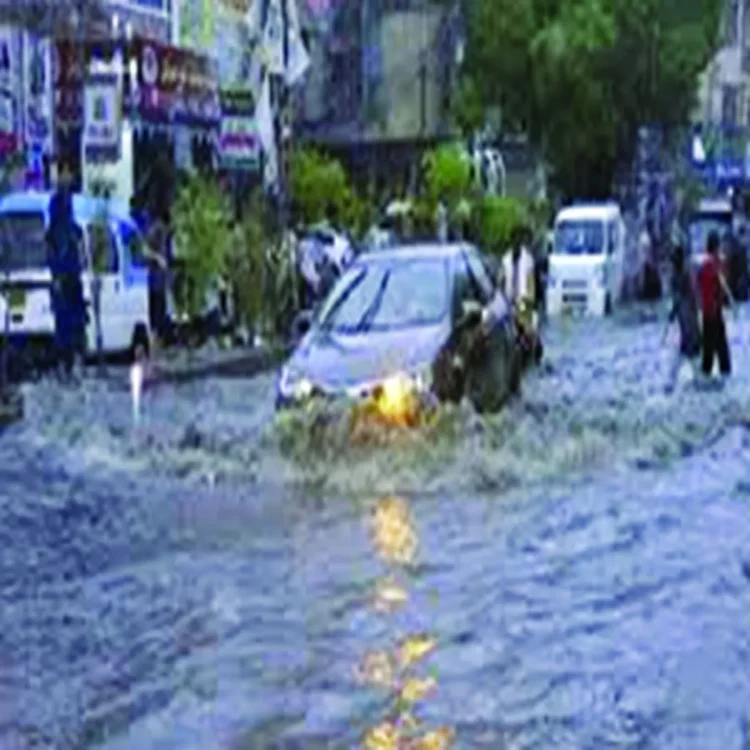
The civic body shared details of the preparedness campaign on Friday, highlighting steps being taken to reduce waterlogging and improve drainage management across key parts of the national capital. According to NDMC Chairperson Kuljeet Singh Chahal, the first phase of desilting operations has already been completed before the onset of heavy rainfall.
Desilting Work Completed Ahead of Monsoon
Officials stated that the initial phase of drain cleaning and desilting was completed by March 31. The second phase of the operation is expected to conclude by June 15 as part of the council’s broader effort to ensure uninterrupted stormwater flow during the monsoon season.
The NDMC has intensified cleaning activities across underground drainage channels and stormwater systems. Repair work is also being carried out on damaged roads, potholes, trenches, drainage lines, and manhole covers that could create difficulties during heavy showers.
Authorities believe these preventive measures will help reduce the risk of flooding and improve traffic movement in vulnerable areas during periods of intense rain.
GIS Technology Introduced for Better Monitoring
In a major technological upgrade, the NDMC has started GIS-based mapping of underground drainage infrastructure. The mapping process includes bell mouths, gully traps, connecting pipelines, manholes, and brick barrel drains.
Officials said this digital monitoring system is expected to improve tracking of drainage conditions and assist teams in identifying waterlogging hotspots more efficiently. The use of GIS technology will also help departments coordinate maintenance work and emergency operations with greater accuracy.
The council is focusing on areas that have historically faced water accumulation during monsoon spells. Civic engineers are expected to use the collected data for faster decision-making during emergencies.
Waterlogging-Prone Areas Under Special Watch
The NDMC identified five major locations that continue to remain vulnerable to waterlogging during heavy rainfall. These include the Purana Quila stretch, the Dayal Singh College area, Panchkuian Road, Hanuman Mandir surroundings, and the Satya Sadan zone.
Special arrangements have been made at these locations, including the deployment of dewatering pumps, diesel generator sets, and emergency manpower teams. Dedicated control rooms are also being set up to coordinate rapid response operations during adverse weather conditions.
Officials said continuous monitoring will be maintained throughout the rainy season to ensure quick action whenever water accumulation is reported.
CCTV and Sensor Systems to Strengthen Response
To improve real-time monitoring, CCTV cameras and sensor-based systems are being installed at identified waterlogging points. The technology will allow officials to track rainfall impact and drainage performance more closely during severe weather.
The civic body expects that live monitoring systems will help reduce response time and allow emergency teams to react more effectively in case of sudden flooding incidents.
Robotic Drain Inspection Introduced
In another first, the NDMC has initiated robotic inspections inside underground drains. The new system is intended to improve safety and increase the efficiency of inspections in difficult-to-access drainage networks.
Officials said robotic equipment will help detect blockages, structural damage, and maintenance requirements without exposing workers to hazardous conditions. The initiative is also expected to modernize drainage maintenance practices within the NDMC jurisdiction.
The Monsoon Action Plan 2026 forms part of the council’s wider effort to improve urban infrastructure resilience and minimize disruptions caused by seasonal rainfall in the capital.