
AI Defence Cooperation – US and India Push for Stronger Strategic Technology Alliance
AI Defence Cooperation – The growing role of artificial intelligence in modern warfare dominated discussions at a recent US-India strategic forum, where defence and technology experts stressed the need for deeper cooperation between the two countries in emerging military technologies.
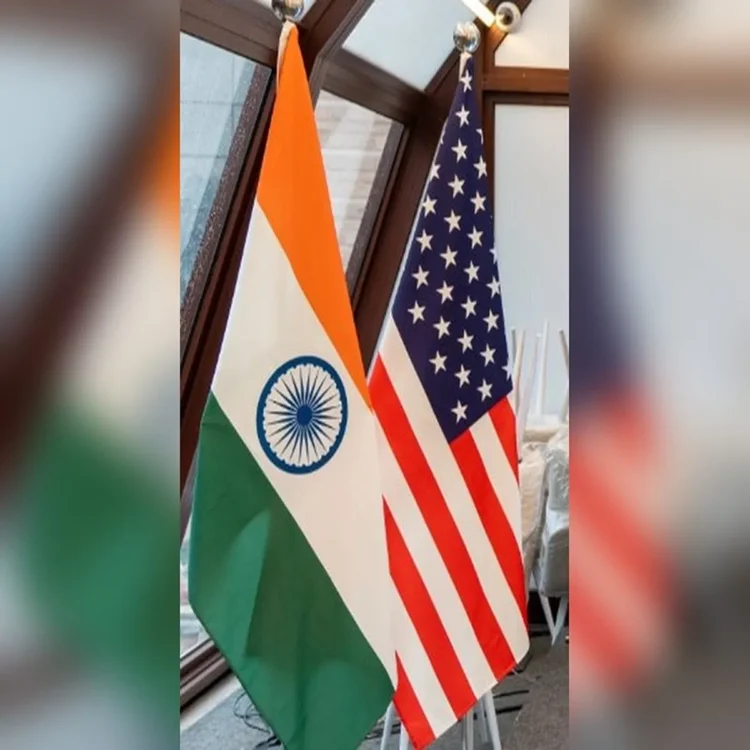
Experts Highlight Rapid Transformation in Warfare
During the discussion, senior defence leaders and technology specialists noted that modern conflicts are increasingly being shaped by digital systems, algorithms, and data-driven operations rather than traditional combat methods alone. The session featured Vivek Lall, Chief Executive of General Atomics Global Cooperation, alongside retired Lieutenant General Raj Shukla, with strategic analyst Sameer Lalwani moderating the conversation.
Raj Shukla observed that artificial intelligence is no longer considered a distant military concept. According to him, algorithm-based combat systems are already influencing operational decisions on the battlefield and changing how military forces conduct missions. He emphasized that armed forces around the world are being forced to modernize at an unprecedented pace.
Faster Innovation Cycles Becoming Essential
Shukla pointed to recent global conflicts as evidence that defence systems must evolve far more quickly than before. He explained that technological upgrades in warfare are now occurring within weeks instead of years, particularly in areas involving software integration and battlefield systems.
He argued that defence institutions can no longer rely on slow bureaucratic processes if they want to remain effective in future conflicts. According to him, military organizations must begin functioning with the speed and flexibility commonly associated with technology companies.
The former army commander also said India should encourage broader strategic thinking and policy discussions around artificial intelligence, cybersecurity, and future warfare capabilities. He stressed the importance of strengthening research, innovation, and institutional debate in these areas.
Collaboration Seen as Key to Technological Progress
Vivek Lall underlined the importance of international partnerships in advanced defence technologies. He stated that no single country possesses all the expertise needed to dominate the next generation of military innovation.
Lall said cooperation between India and the United States could create significant opportunities in technology development, defence manufacturing, and talent building. He particularly highlighted the role of universities, technical institutes, and research organizations in developing the skilled workforce required for future defence systems.
He also identified several sectors where both countries could expand collaboration, including data management, military training systems, autonomous technologies, and electromagnetic spectrum operations.
Rising Costs of Modern Conflict Raise Concerns
Another major issue discussed during the forum was the growing financial burden associated with advanced warfare. Shukla referred to recent military engagements to demonstrate how relatively inexpensive offensive technologies can force defenders to spend significantly larger amounts on interception and protection systems.
He warned that countries must rethink how they allocate defence resources in the age of drones, cyber operations, and AI-driven combat. According to him, effective coordination between governments, defence forces, private companies, and academic institutions will become essential for maintaining national security capabilities.
The speakers agreed that stronger integration across sectors could help India accelerate innovation while improving operational readiness in emerging defence domains.
Defence Partnership Enters New Strategic Phase
Both experts described the current period as a defining moment for US-India relations in defence technology. Lall said the coming decade could witness a major rise in joint development programs and collaborative manufacturing initiatives between the two countries.
Over the past twenty years, Washington and New Delhi have steadily expanded military cooperation through joint exercises, technology-sharing agreements, and strategic partnerships. Artificial intelligence, autonomous systems, and next-generation defence platforms are now becoming central pillars of that relationship.
With global security challenges evolving rapidly, experts believe closer collaboration in emerging technologies may play a critical role in shaping future defence preparedness for both nations.