
TravelSafety – DGCA Reassesses In-Flight Power Bank Rules After Fire Incident
TravelSafety – The Directorate General of Civil Aviation (DGCA) has started reviewing existing guidelines related to carrying and handling power banks on commercial flights after a recent onboard fire incident raised fresh safety concerns.
The latest development follows an incident involving an IndiGo flight that arrived in Chandigarh from Hyderabad on May 5. According to preliminary information, a fire reportedly broke out inside the aircraft cabin shortly after landing, allegedly due to a power bank carried by a passenger. The aircraft was carrying 198 passengers along with six crew members at the time of the incident. Cabin crew members managed to control the fire quickly, and all passengers were evacuated safely without injuries.
Existing Restrictions Under Review
Officials familiar with the matter said the aviation regulator is now examining whether current safety norms are sufficient and whether stricter enforcement measures are needed across all airlines operating in the country. The review is expected to focus on passenger awareness, onboard monitoring, and compliance by airline staff.
The DGCA had already updated rules related to power banks earlier this year after another incident involving a portable charging device was reported on an IndiGo aircraft at Delhi airport. In that case, the aircraft was preparing for departure to Dimapur when a power bank allegedly triggered a fire while the plane was taxiing.
Current Airline Guidelines for Passengers
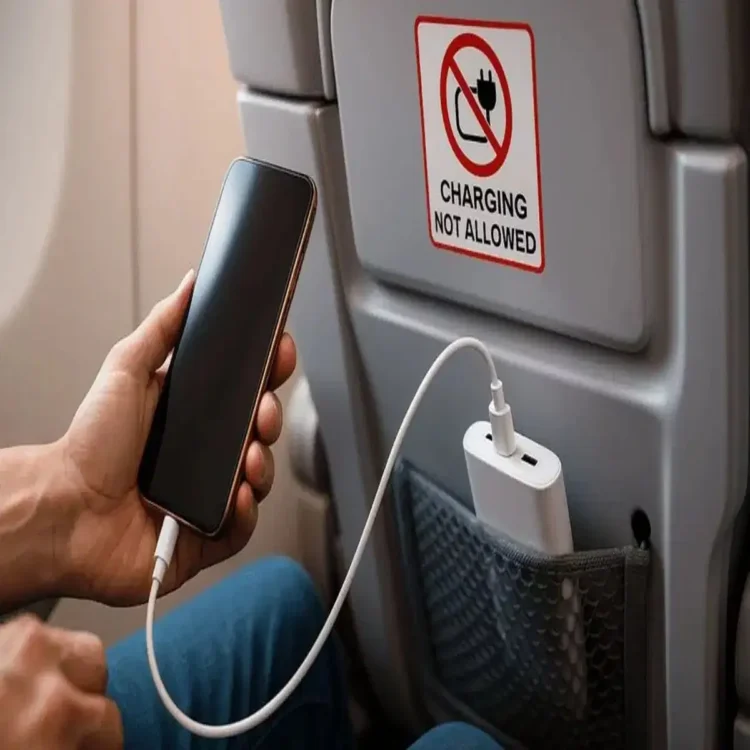
Under the present regulations, passengers are not allowed to use power banks for charging mobile phones, laptops, or electronic devices during flights. Authorities have also instructed travelers to keep power banks only inside carry-on baggage instead of checked luggage. In addition, the devices should remain with passengers and must not be stored inside overhead storage bins.
Aviation industry officials believe that while the rules already exist, implementation has not always been consistent. Sources within the sector indicated that passengers frequently ignore these instructions, while enforcement by cabin crew members has varied across flights.
Airlines May Face Stricter Compliance Checks
People aware of the discussions said the recent Chandigarh incident has prompted authorities to consider stronger compliance mechanisms. These may include improved passenger announcements before takeoff, additional checks during boarding, and stricter monitoring by crew members during flights.
Officials are also studying how international airlines and aviation regulators manage the transport and use of lithium-ion battery devices onboard aircraft. Several countries already follow tighter rules for portable electronic charging equipment because of concerns related to overheating and fire hazards.
Growing Concerns Over Lithium Battery Safety
Experts in aviation safety have repeatedly highlighted the risks linked to lithium-ion batteries, especially when damaged, overheated, or improperly handled. Devices such as power banks, smartphones, and laptops can generate intense heat if battery cells malfunction, creating a potential fire risk inside enclosed aircraft cabins.
The DGCA’s latest review is expected to result in stricter operational procedures aimed at minimizing such incidents in the future. Airlines may also be directed to improve safety communication for passengers carrying electronic accessories during domestic and international travel.