
Wildlife – Elephant Seriously Injured in IED Blast in Jharkhand Forest Area
Wildlife – The condition of a wild elephant in Jharkhand has once again drawn attention to the growing risks faced by animals in conflict-affected forest regions.
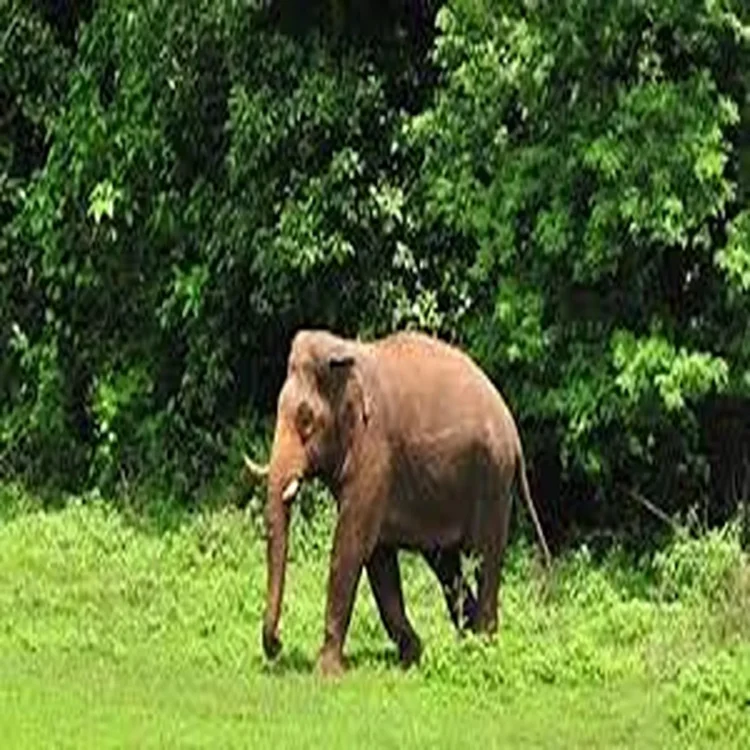
A male elephant suffered severe injuries after triggering an improvised explosive device in the Saranda Forest located in Jharkhand’s West Singhbhum district. The incident took place near the Kolbhonga area within the Koyna forest range, raising fresh concerns about the safety of wildlife in regions where such explosives are suspected to be planted.
Explosion Leaves Elephant Immobilised
According to forest officials, the tusker unknowingly stepped on an explosive hidden beneath the ground, which detonated instantly. The impact of the blast caused a deep wound to its right foreleg, leaving the animal unable to stand or move. The injury was severe enough to restrict even minimal movement, forcing the elephant to remain in one place.
Local residents were the first to notice the distressed animal. Observing its condition, they promptly informed the forest department, which then dispatched a team to assess the situation and begin necessary intervention.
Rescue Teams Begin Immediate Treatment
Officials confirmed that medical assistance has been initiated at the site itself due to the difficulty in relocating the elephant. The animal was found lying in a waterlogged patch of the forest, and the wound had already developed maggot infestation, indicating that the injury was not recent.
Forest authorities stated that transporting the elephant is currently not feasible. The possibility of additional explosives in the surrounding area makes any movement extremely risky for both the rescue team and the animal. As a result, veterinary care is being provided on-site.
Despite its condition, the elephant has not shown signs of aggression and is reportedly accepting food, which has been seen as a positive sign by the rescue team.
Repeated Incidents Raise Serious Concerns
This case marks the sixth instance of elephants being affected by explosive devices in the Saranda region. Previous incidents have resulted in the deaths of five elephants. Some died during treatment, while others succumbed in the forest or after prolonged suffering in nearby areas.
The pattern of such incidents has raised alarms among wildlife officials and conservationists. The continued presence of explosive devices in forest zones poses a significant threat not only to wildlife but also to those working to protect them.
Suspected Militant Activity in the Region
Authorities believe that such explosive devices may have been planted as part of past militant activities in the region. Reports indicate that a number of Maoist operatives are still active within the Saranda forest belt, where explosives may have been laid in large numbers over time.
While these devices were initially intended for security-related purposes, their unintended impact on wildlife has become increasingly evident. Animals roaming freely in these forests are particularly vulnerable, as they cannot detect hidden threats like explosives.
Safety Measures and Ongoing Monitoring
In response to the situation, forest officials, along with security personnel, have begun carefully scanning the affected areas to identify and neutralise potential threats. A detailed safety assessment is being carried out before any attempt is made to relocate the injured elephant.
Officials have emphasised that the immediate focus remains on stabilising the animal’s health. Only after ensuring that the surrounding region is safe will further steps be taken to move the elephant to a more secure environment for continued care.
The incident highlights the urgent need for coordinated efforts between forest departments and security agencies to address the risks posed by leftover explosives in wildlife habitats