
Infrastructure – Fundari Bridge Ends Maoist Stronghold in Bastar Region
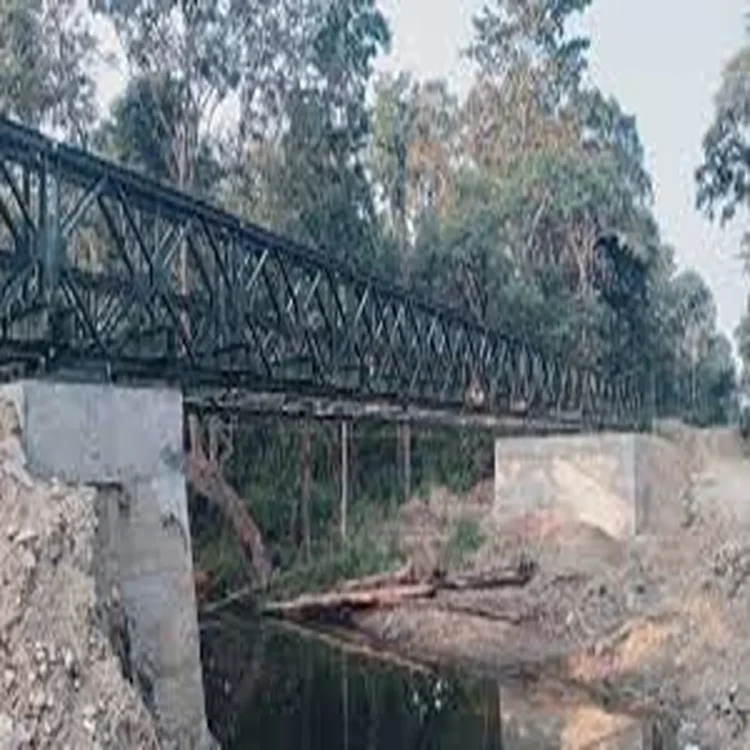
Infrastructure – For many years, the Indravati River acted as more than a natural divider in southern Chhattisgarh’s Bastar region. It functioned as a protective barrier for Maoist groups, allowing them to maintain control over isolated territories such as Abujhmad, an area long considered beyond the reach of government administration. That reality is now undergoing a significant shift with the near completion of the 648-meter Fundari bridge, a project that authorities believe has permanently altered the security landscape.
A Barrier That Defined Control
The Indravati River had historically limited access to Abujhmad, making it difficult for security forces and administrative agencies to operate effectively. Over time, Maoist cadres established a firm presence across the river, turning the region into what they described as a “liberated zone.” This isolation enabled them to build strong networks, with estimates suggesting hundreds of armed insurgents supported by local militia groups.
Bridge Construction Nears Completion
According to district officials, the Fundari bridge is now in its final stages and is expected to open for public use before the monsoon season begins. The project is seen as a crucial step toward connecting remote communities with mainstream infrastructure. Authorities say the bridge will not only improve travel but also support long-term development goals in the region.
Security Challenges During Construction
The construction of the bridge faced persistent threats from Maoist groups, who viewed the project as a direct challenge to their influence. Since the project was sanctioned in October 2018, multiple attacks were reported at the site. These included armed assaults, bombings targeting security camps, and the destruction of construction equipment in recent years.
Local officials noted that insurgents also attempted to disrupt progress by pressuring nearby villagers to oppose the project. Despite these challenges, construction continued under tight security arrangements, with camps set up to protect workers and ensure steady progress.
Strategic Importance of the Bridge
Security experts have described the Fundari bridge as a turning point in the long-standing conflict. By providing uninterrupted access across the river, the structure effectively removes the geographic advantage that Maoist groups had relied upon for decades. Officials now report that there is no longer an active armed Maoist presence in the immediate area.
The bridge significantly reduces travel time between the district headquarters and remote villages. What once required a 210-kilometer detour can now be covered in less than half the distance. In addition, risky boat crossings—especially dangerous during monsoon months—will no longer be necessary.
Impact on Local Communities
Beyond its strategic value, the bridge is expected to bring tangible improvements to daily life for residents in villages such as Bangoli, Belnar, Marrameta, and Itampar. Improved connectivity is likely to facilitate better access to schools, healthcare facilities, and essential services.
Officials believe that integrating these previously isolated areas into the broader administrative network will encourage economic activity and improve living conditions over time. The bridge is also expected to support government outreach efforts, enabling more consistent delivery of welfare schemes.
A Shift Toward Stability
Authorities describe the project as a symbol of progress in a region long affected by conflict and underdevelopment. By eliminating physical isolation, the bridge has reduced the operational space available to insurgent groups and strengthened the presence of governance structures.
As the monsoon season approaches, officials remain confident that the bridge will remain operational year-round, ensuring uninterrupted connectivity. For many in Bastar, the structure represents a new phase—one marked by improved security, greater access, and the possibility of sustained development.