
TrafficRules – Delhi introduces stricter digital system for traffic challan resolution
TrafficRules – The Delhi government has rolled out a new, time-bound framework for resolving traffic challans, marking a shift toward stricter enforcement and greater reliance on digital systems. The initiative is designed to reduce violations, strengthen road safety, and bring more transparency to the process through technology-driven monitoring and compliance measures.
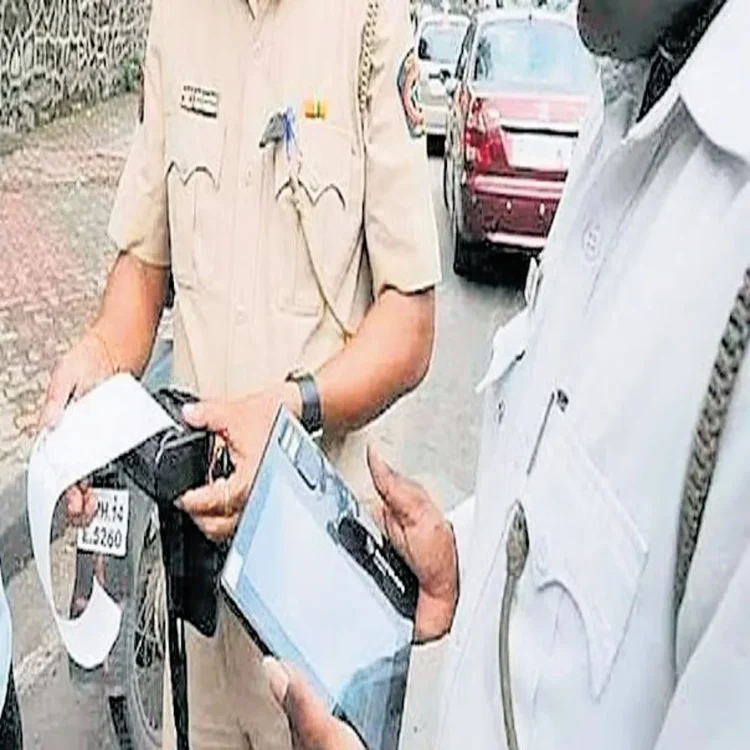
New framework aims to ensure accountability
Under the updated system, motorists will no longer be able to bypass challans or delay action indefinitely. Authorities have made it clear that every issued challan must be addressed within a defined period. Direct appeals to courts will not be permitted unless the prescribed procedure has first been followed, ensuring a more structured approach to dispute resolution.
The government believes that a standardized process will not only improve compliance but also reduce administrative delays. By making the system mandatory and streamlined, officials expect quicker settlements and fewer pending cases.
Technology-driven enforcement to strengthen monitoring
Chief Minister Rekha Gupta stated that the new mechanism will align with amendments to the Central Motor Vehicles Rules, 1989. The revised approach emphasizes the use of digital tools, including camera-based surveillance and automated tracking systems, to identify and record violations more efficiently.
Challans will now be issued both electronically and physically. In cases where contact information is available, e-challans will be sent within three days. If not, physical notices will reach violators within 15 days. All related data will be stored on a centralized online portal, making it easier for authorities to maintain records and for citizens to access their information.
Motorists have been encouraged to update their contact details to ensure they receive timely notifications and avoid complications.
Strict penalties for repeated violations
The government has introduced tougher measures for habitual offenders. Individuals who commit five or more traffic violations within a year will be categorized as serious offenders. Such cases may lead to suspension or even disqualification of driving licences, depending on the severity and frequency of violations.
Officials say this step is aimed at discouraging repeated disregard for traffic rules and improving overall discipline on the roads. The focus is not only on penalizing offenders but also on promoting responsible driving behavior.
Clear timelines for payment and appeals
Once a challan is issued, violators will have 45 days to either pay the fine or challenge it through the online system. If no action is taken within this period, the challan will automatically be treated as accepted. In such cases, payment must be completed within an additional 30 days.
If a challenge is rejected, the individual must either pay the penalty or escalate the matter to court. However, moving to court will require depositing 50 percent of the fine in advance, ensuring that only genuine disputes proceed further.
Consequences of non-compliance
Authorities have outlined strict consequences for ignoring challans beyond the allowed timeframe. Once deadlines pass, daily electronic reminders will be sent to the violator. Continued failure to pay can result in restrictions on key vehicle-related services.
These restrictions may include the inability to pay road taxes, renew registrations, or process driving licence applications. The government hopes that such measures will encourage timely compliance and reduce the backlog of unpaid fines.
Focus on transparency and road safety
The broader goal of the new system is to create a transparent and efficient mechanism that benefits both enforcement agencies and citizens. By digitizing the process and setting clear timelines, the government aims to minimize disputes, reduce manual intervention, and ensure fair treatment for all motorists.
Officials believe that consistent enforcement, combined with awareness and accountability, will lead to safer roads and a more disciplined traffic environment in the capital.