
Gold – Prices Ease as Geopolitical Tensions Delay Rate Cut Expectations
Gold – Gold prices moved lower over the past week as stalled diplomatic progress between the United States and Iran reduced expectations of near-term monetary easing.
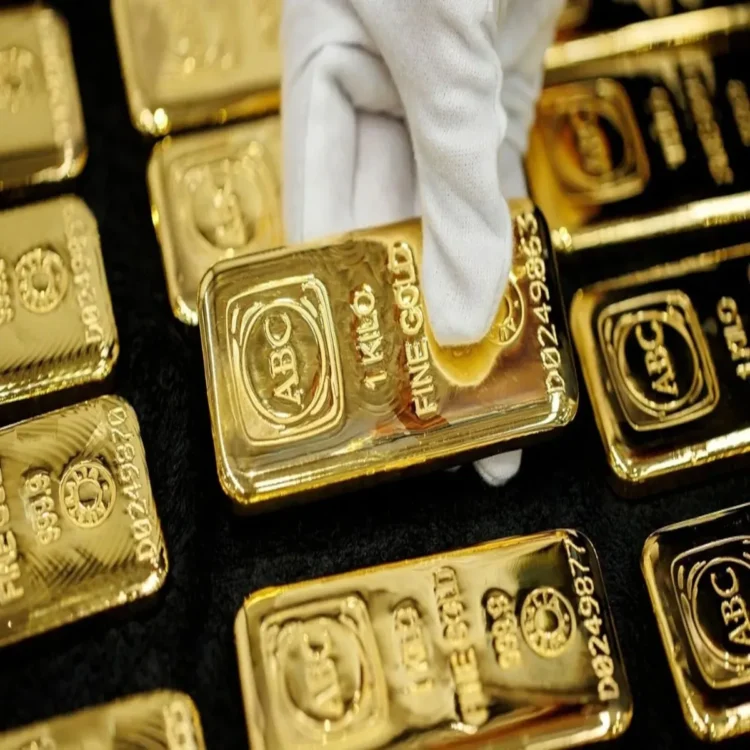
Gold recorded a weekly decline of 0.81 percent, reflecting cautious sentiment in global markets. The lack of progress in negotiations between Washington and Tehran weighed on investor confidence, limiting demand for safe-haven assets. Market participants increasingly believe that prolonged geopolitical uncertainty could delay any immediate shift in interest rate policies.
Domestic Futures Show Limited Movement
On Friday, gold futures for June delivery on the Multi Commodity Exchange (MCX) remained largely unchanged, posting a marginal gain of 0.01 percent. Silver futures for May delivery performed slightly better, rising by 0.49 percent. Current levels place gold futures at Rs 1,51,363, while silver futures are trading at Rs 2,47,500 per kilogram.
Data released by the India Bullion and Jewellers Association indicated that the price of 24-carat gold for 10 grams dropped to Rs 1,50,263 by Thursday. This marks a noticeable decline from Monday’s opening price of Rs 1,51,495, highlighting the overall downward trend during the week.
Global Market Pressures Weigh on Bullion
Internationally, gold prices showed volatility, falling as much as 1.2 percent on Friday after gaining 1.5 percent in the previous session. Rising energy costs and stronger US Treasury yields contributed to the pressure on bullion prices. Since late February, when tensions between the United States and Iran escalated, gold has seen a cumulative decline of nearly 14 percent, according to market participants.
Reports suggest that Iran continues to insist on the removal of US-imposed restrictions before reopening key maritime routes such as the Strait of Hormuz. While diplomatic efforts are ongoing, both sides appear reluctant to take the first decisive step, prolonging uncertainty in global markets.
Inflation Data Signals Higher Rates for Longer
Recent US inflation figures have further influenced market sentiment. The Personal Consumption Expenditures (PCE) price index rose to 3.5 percent in March, reaching its highest level in almost three years. This development has strengthened expectations that central banks may keep interest rates elevated for an extended period.
Higher interest rates typically reduce the appeal of gold, as it does not generate returns like interest-bearing assets. Analysts note that the combination of persistent inflation and rising energy costs could continue to limit upside potential for precious metals in the near term.
Oil Market Volatility Adds to Uncertainty
Crude oil prices remained volatile throughout the week but stayed relatively firm overall. Concerns about potential disruptions in global supply chains have kept prices supported. The ongoing geopolitical tensions have led markets to factor in risks to oil flows, preventing significant price declines and contributing to broader economic uncertainty.
Consolidation Phase for Precious Metals
Market analysts suggest that gold and silver are currently undergoing a phase of consolidation after a strong rally driven by safe-haven demand. Profit booking at higher levels has been observed, while buyers have shown interest at lower price points.
Although demand for safe-haven assets has softened slightly, it has not disappeared entirely. Continued geopolitical risks and economic uncertainty are still providing underlying support to precious metals.
Key Levels to Watch in Global Trading
In international trading, gold on COMEX is hovering within the $4,620 to $4,650 range. Analysts identify resistance levels between $4,700 and $4,760, with further price strength dependent on a breakout above this zone. Silver, meanwhile, is trading above $76 and maintains a broadly positive trend, though near-term caution persists.
Overall, while the long-term outlook for precious metals remains constructive, short-term movements are likely to be influenced by geopolitical developments, inflation trends, and central bank policies.