
FoodPrices – Restaurant Costs Surge as LPG Rates Drive Menu Increases
FoodPrices – Restaurants across the city are preparing for noticeable price increases after a sharp rise in the cost of commercial LPG cylinders, a key fuel used for daily cooking. The development is expected to affect both food businesses and customers, as operators adjust to higher expenses.
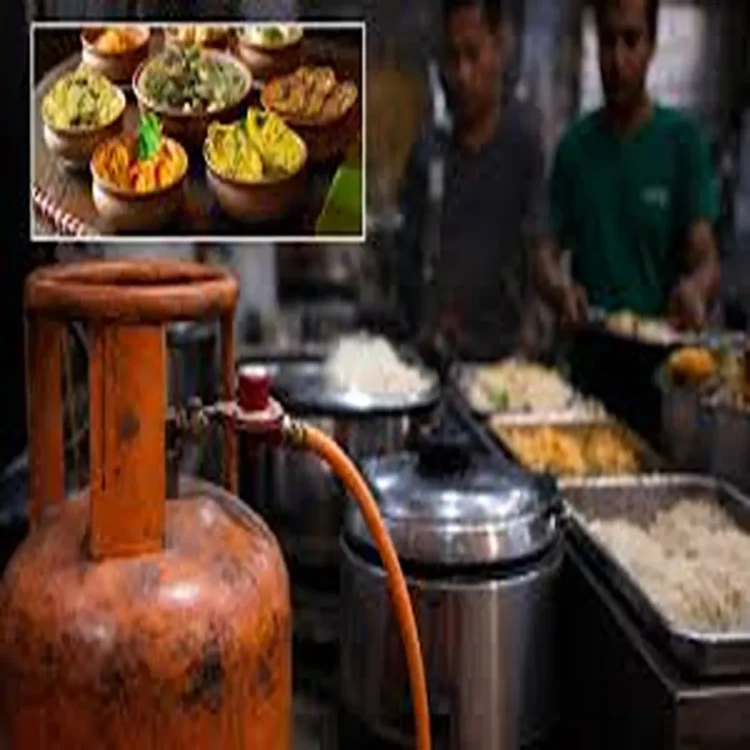
Impact on Everyday Menu Items
Common breakfast dishes such as idli, dosa, and pongal are likely to become significantly more expensive. Industry insiders indicate that prices for these staples could climb by as much as 40 percent in the near future. For instance, a serving of pongal that currently costs around ₹80 may rise to approximately ₹115, while dosa prices could move beyond the ₹200 mark from the existing ₹150 range.
Restaurant owners say these changes are unavoidable, given the sharp increase in operational costs tied to fuel.
LPG Price Hike Drives Cost Pressure
The recent surge in the price of 19-kg commercial LPG cylinders has pushed rates in Chennai beyond ₹3,200. In comparison, domestic LPG prices have remained stable, widening the cost gap between household and commercial users. This disparity has placed additional financial pressure on restaurants, which rely heavily on commercial cylinders for cooking.
Operators note that absorbing such a steep rise in expenses is not feasible, leaving them with little choice but to revise menu prices.
Operational Adjustments by Restaurants
To manage escalating costs, many establishments are altering their daily operations. Some restaurants, which typically use between five and ten LPG cylinders per day, have started limiting the preparation of dishes that consume more gas, such as dosa and poori. Others are reducing operating hours to conserve fuel.
These adjustments reflect an effort to balance rising expenses while maintaining service, though they may affect customer experience and availability of certain items.
Challenges in Switching to Alternatives
While electric cooking solutions have been considered as an alternative, high electricity tariffs have made this option impractical for most businesses. Restaurant owners point out that shifting to electric systems would not necessarily reduce costs, given current power rates.
As a result, LPG remains the primary energy source despite its increasing price, leaving businesses exposed to ongoing fluctuations in fuel costs.
Broader Impact Beyond Restaurants
The effects of rising LPG prices are not limited to eateries. Private hostels and paying guest accommodations are also facing financial strain, as they depend on commercial LPG for meal preparation. Many of these operators are not officially classified as commercial consumers by oil companies, forcing them to purchase cylinders through private channels.
This situation often leads to inconsistent supply and, at times, higher prices, especially during periods of shortage.
Industry Calls for Relief Measures
Stakeholders in the hospitality sector have urged authorities to consider support measures to ease the burden. Suggestions include lowering electricity tariffs and offering tax relief to help businesses manage rising costs.
Industry representatives warn that without timely intervention, the continued increase in fuel expenses could have wider consequences. Higher food prices may reduce affordability for consumers, while smaller and mid-sized food businesses could struggle to remain sustainable.